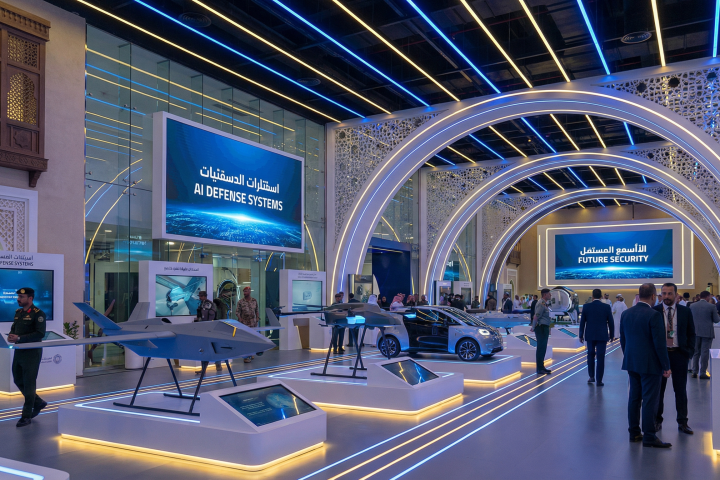



Here’s the thing about Saudi Arabia’s defense ambitions — they’re not just talk anymore. At the World Defense Show 2026, currently running in Riyadh through February 12, the Ministry of Defense put pen to paper on 28 contracts with local and international defense companies. And honestly? The scale of it says everything about where the Kingdom is headed.
A Signing Ceremony That Meant Business
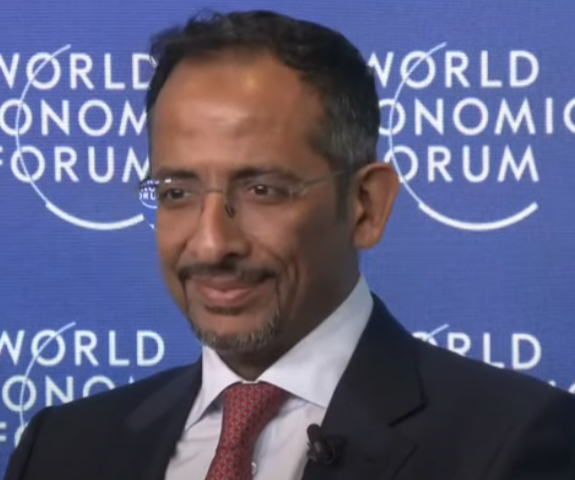
This wasn’t your typical ribbon-cutting photo op. Dr. Khalid bin Hussein Al-Bayari, Assistant Minister of Defense for Executive Affairs, personally signed four major deals with global heavyweights: France’s MBDA (missile systems), Raytheon Saudi Arabia, South Korea’s Hanwha Aerospace, and Italy’s Leonardo. Each of these companies brings something different to the table — from precision-guided munitions to advanced aerospace technology.
But that was just the beginning. Ibrahim bin Ahmed Al-Suwaid, the Ministry’s Undersecretary for Procurement and Armament, inked another eight contracts with a mix of local, French, Turkish, Korean, and Italian firms. The remaining 16 deals were signed by senior procurement officials with various specialized companies.
The Bigger Picture: Vision 2030’s Defense Chapter
Let’s zoom out for a second. Back in 2018, Saudi Arabia’s defense localization rate sat at a mere 4%. Today, it’s climbed to roughly 25%. The target? A full 50% of government military spending localized by 2030. These 28 contracts aren’t just procurement deals — they’re stepping stones toward that goal.
What makes this particularly significant is the diversity of partners involved. Saudi Arabia isn’t putting all its eggs in one basket. By signing with companies from France, the US, South Korea, Italy, and Turkey — alongside homegrown firms — the Kingdom is building a web of partnerships that ensures technology transfer, knowledge sharing, and, crucially, jobs for Saudi nationals.
World Defense Show: From Exhibition to Ecosystem
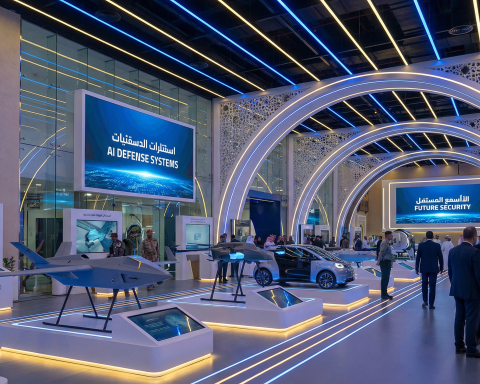
WDS 2026 has grown into something remarkable. Now in its third edition, the event spans 273,000 square meters, hosts 925 exhibitors from 80 countries, and expects 130,000 visitors. That’s a 58% expansion from the last show. New additions this year include a dedicated Naval Zone (reflecting Red Sea and Gulf maritime security needs), an expanded Unmanned Systems Zone, and — perhaps most exciting — a Future Defense Lab showcasing AI, quantum computing, and advanced materials from startups and research organizations.
There’s also a new Saudi Supply Chain Zone, designed specifically to plug local small and medium enterprises into global defense supply chains. It’s a smart move that recognizes you can’t build a defense industry with just the big players.
What This Means Going Forward
Saudi Arabia’s defense transformation isn’t happening in isolation. It’s part of a broader economic diversification play under Vision 2030 — one where the Kingdom transitions from being the world’s largest arms importer to a capable producer and exporter. With a 2025 military budget of approximately $78 billion, there’s serious financial firepower behind this ambition.
The 28 contracts signed at WDS 2026 are a tangible proof point. They’ll enhance combat readiness across all branches of the Saudi armed forces while simultaneously building the domestic industrial capacity the Kingdom needs for long-term strategic independence. That’s not just a good headline — it’s a genuine shift.