

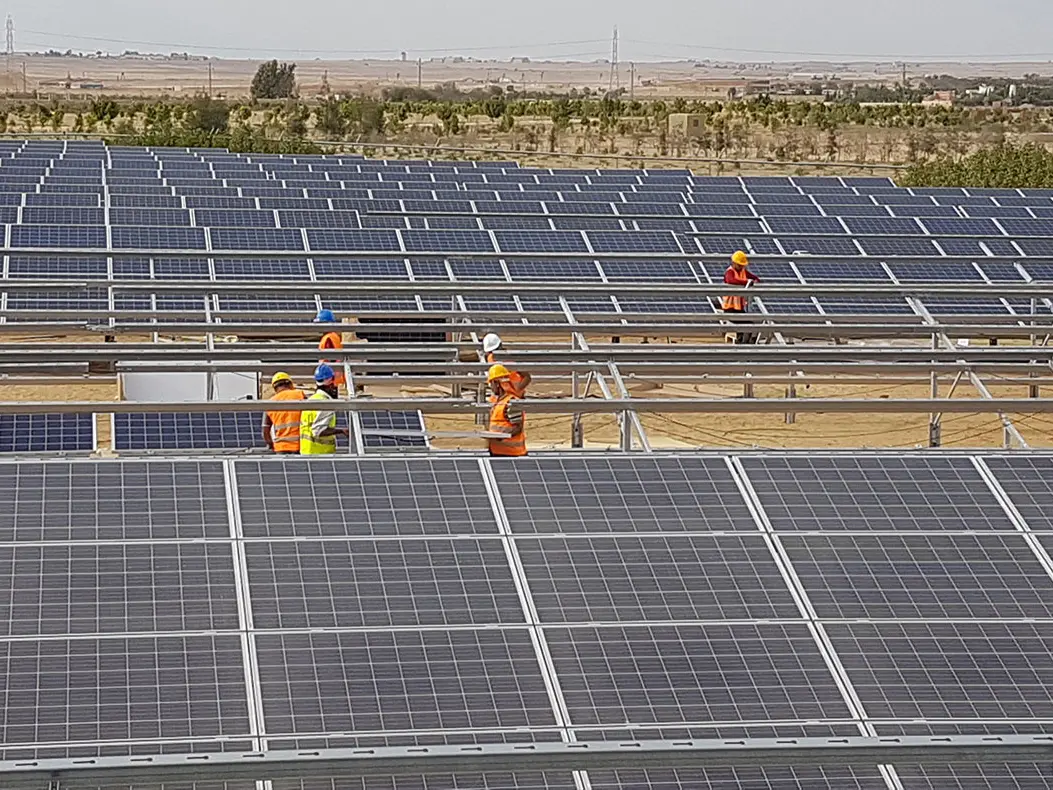
Saudi Arabia is preparing to award approximately 14 gigawatts of new solar and wind capacity in 2026 — a single-year procurement programme that would rank among the most ambitious clean energy tender rounds anywhere in the world. The Ministry of Energy is driving the expansion under the Kingdom’s National Renewable Energy Program as it accelerates progress toward its 2030 clean power targets.
The 14-gigawatt slate of projects planned for 2026 forms part of a broader ambition to reach at least 58.7 gigawatts of total renewable installed capacity by 2030. Within that target, the Kingdom has set a near-term objective of adding 15 gigawatts of renewable generation through 2028, comprising 12 gigawatts of solar photovoltaic and 3 gigawatts of wind energy — a mix that plays to Saudi Arabia’s exceptional solar resource and the wind potential along its northern and coastal corridors.
A Procurement Machine at Scale
Saudi Arabia’s power procurement framework has been steadily maturing, and the results have been visible. In October 2025, the Saudi Power Procurement Company announced the award of five renewable energy projects with a combined capacity of 4.5 gigawatts in a single transaction — signalling the institutional readiness to move at the pace the 2026 programme demands. The National Renewable Energy Program has also delivered its first operational projects, including the Sakaka solar PV facility and the Dumat Al-Jandal wind project, which together represent an early 700-megawatt installed base that demonstrated Saudi Arabia could attract international developers and deliver at commercial scale.
The Ministry of Energy has embedded local content requirements into major procurement contracts, with the objective of developing domestic manufacturing capabilities for solar modules, wind turbine components, and battery storage systems. This approach transforms the renewable energy build-out from an import-dependent procurement exercise into a platform for industrial development — a deliberate alignment with Vision 2030’s economic diversification priorities.
The NEOM Green Hydrogen Milestone
Running in parallel with the utility-scale renewable push is the NEOM green hydrogen plant, which is expected to begin commercial operations in mid-2026. The facility is designed to produce 600 tonnes of clean hydrogen per day, powered entirely by wind and solar energy through a large-scale electrolysis process. It represents one of the most significant green hydrogen projects globally and a concrete demonstration of Saudi Arabia’s intention to become a major exporter of clean fuels as well as a leader in clean power generation.
Freeing Up Oil for Export
The economic logic behind Saudi Arabia’s renewable energy scale-up is direct and well understood: every megawatt-hour of electricity generated from solar or wind replaces a barrel of oil or a cubic metre of natural gas that would otherwise be consumed domestically — resources that can instead generate export revenue. The Ministry of Energy has described this substitution effect as a core driver of the programme, alongside the environmental commitments the Kingdom has made as part of its net-zero carbon targets. With the 2026 awards set to bring a new wave of projects into development, the transformation of Saudi Arabia’s energy mix is moving from ambition to installed capacity.