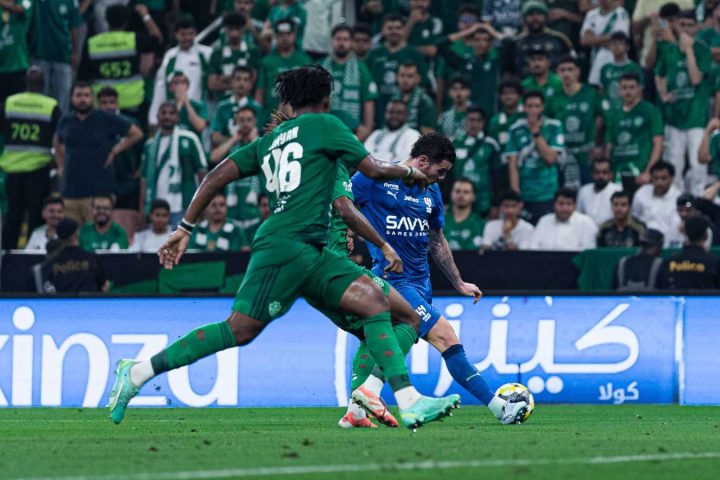


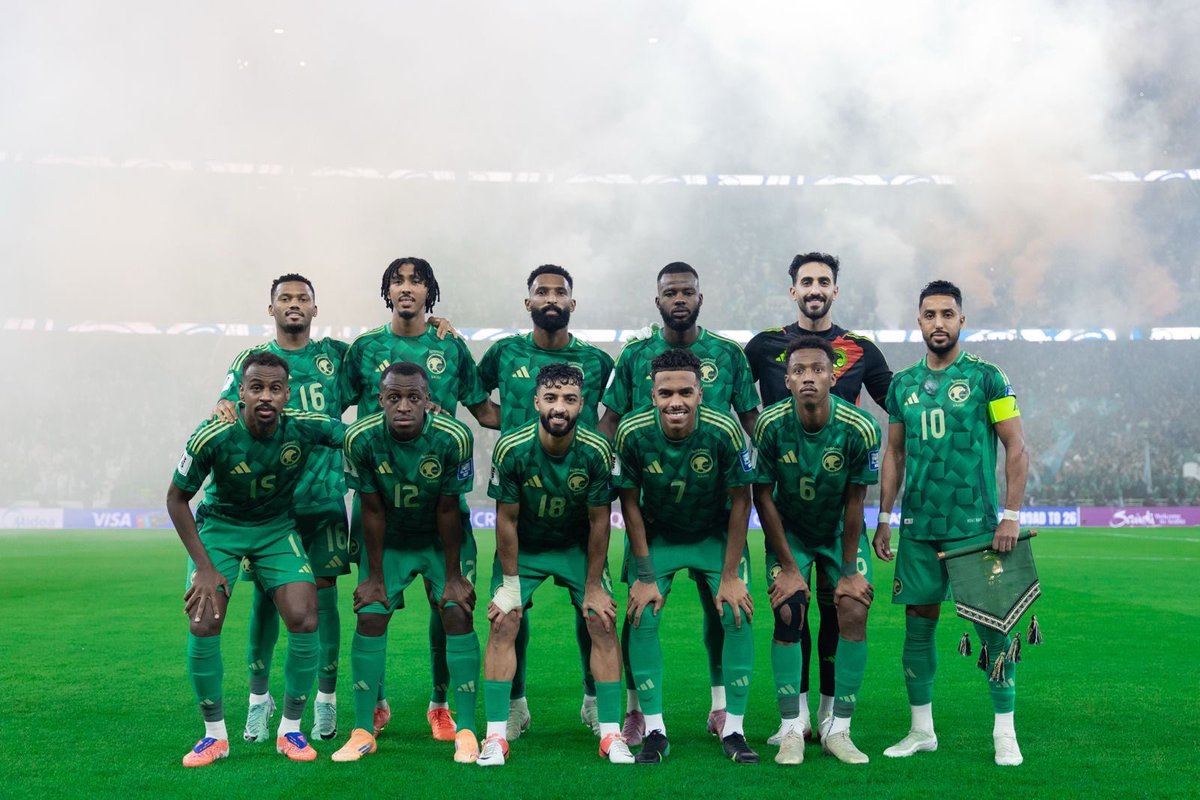
Saudi Arabia heads into the 2026 FIFA World Cup with a sense of purpose that has been building for years. Drawn into Group H alongside Spain, Uruguay and Cape Verde at the December 5 draw in Washington D.C., the Green Falcons face one of the tournament’s most intriguing group stage dynamics — a clash of styles, continents and footballing philosophies that will play out across three American stadiums this summer.
A Group That Demands Respect
Spain enter Group H as one of the most technically refined sides in the world, perennial contenders with a deep pool of La Liga and Champions League talent. Uruguay bring their characteristic South American grit and a forward line built around pace and clinical finishing. Cape Verde, the smallest football nation in the group, have punched well above their weight in recent African tournaments and cannot be underestimated. For Saudi Arabia, this is a group that rewards organisation, tactical discipline and collective spirit — all qualities Hervé Renard’s squad has worked to embed since his arrival as head coach.
The Green Falcons open their campaign on June 15 against Uruguay at Miami Stadium in Miami Gardens — a high-stakes opener against a side that is dangerous but beatable for a well-prepared Saudi team. June 21 brings the most anticipated fixture of the group stage: a match against Spain at Atlanta Stadium. The group closes with a June 26 encounter against Cape Verde at Houston Stadium, a game Saudi Arabia will approach as an opportunity to secure maximum points.
Renard’s Camp Sets the Foundation
With roughly three months remaining before the tournament kicks off, Saudi Arabia is deep into its preparation cycle. Head coach Hervé Renard called approximately 50 players to a ten-day camp in Doha during the current March FIFA international window — an unusually large pool designed to assess depth, monitor form and begin crystallising the squad that will represent the Kingdom in the United States. The camp reflects the seriousness with which Saudi Arabia is approaching what promises to be a landmark tournament moment.
Renard, who has steered Saudi Arabia through a qualification campaign that produced consistent results in the AFC third round, has spoken openly about his belief in the squad’s ability to compete. The 2022 World Cup in Qatar remains a reference point — Saudi Arabia’s extraordinary 2-1 victory over Argentina in the group stage sent a message to world football that the Green Falcons were no longer a team to approach with complacency.
What Saudi Arabia Needs to Progress
Advancing from Group H will require at least one win and likely more than three points. A draw against Uruguay and a strong performance against Spain could open the door to the knockout rounds if Cape Verde are handled decisively. The expanded 48-team format of the 2026 World Cup means more nations have a realistic path beyond the group stage, and Saudi Arabia’s squad — blending experienced Saudi Pro League performers with players who have trained extensively under European-style coaching systems — has the foundation to make that journey.
For Saudi football supporters, the 2026 World Cup is not just a sporting event — it is a statement of where the game in the Kingdom stands. With a world-class domestic league now attracting global attention and a national team that qualified with authority, the stage is set for Saudi Arabia to write another memorable chapter in its World Cup story.