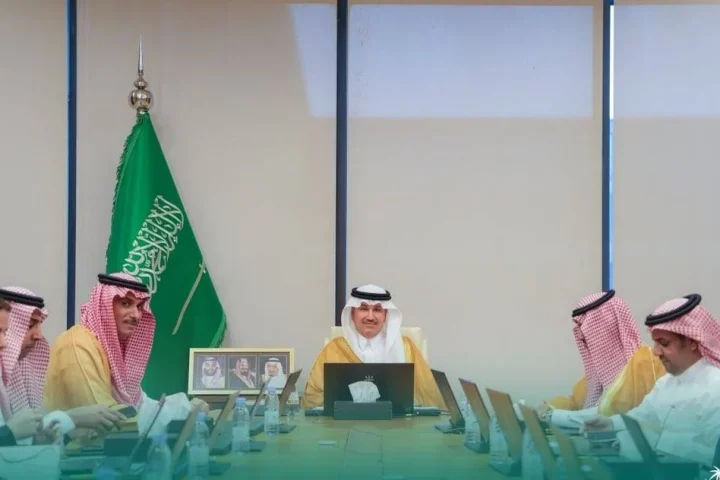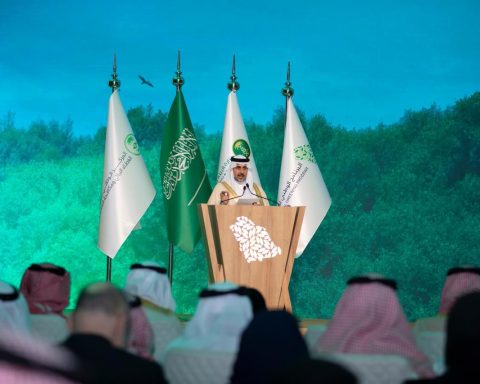


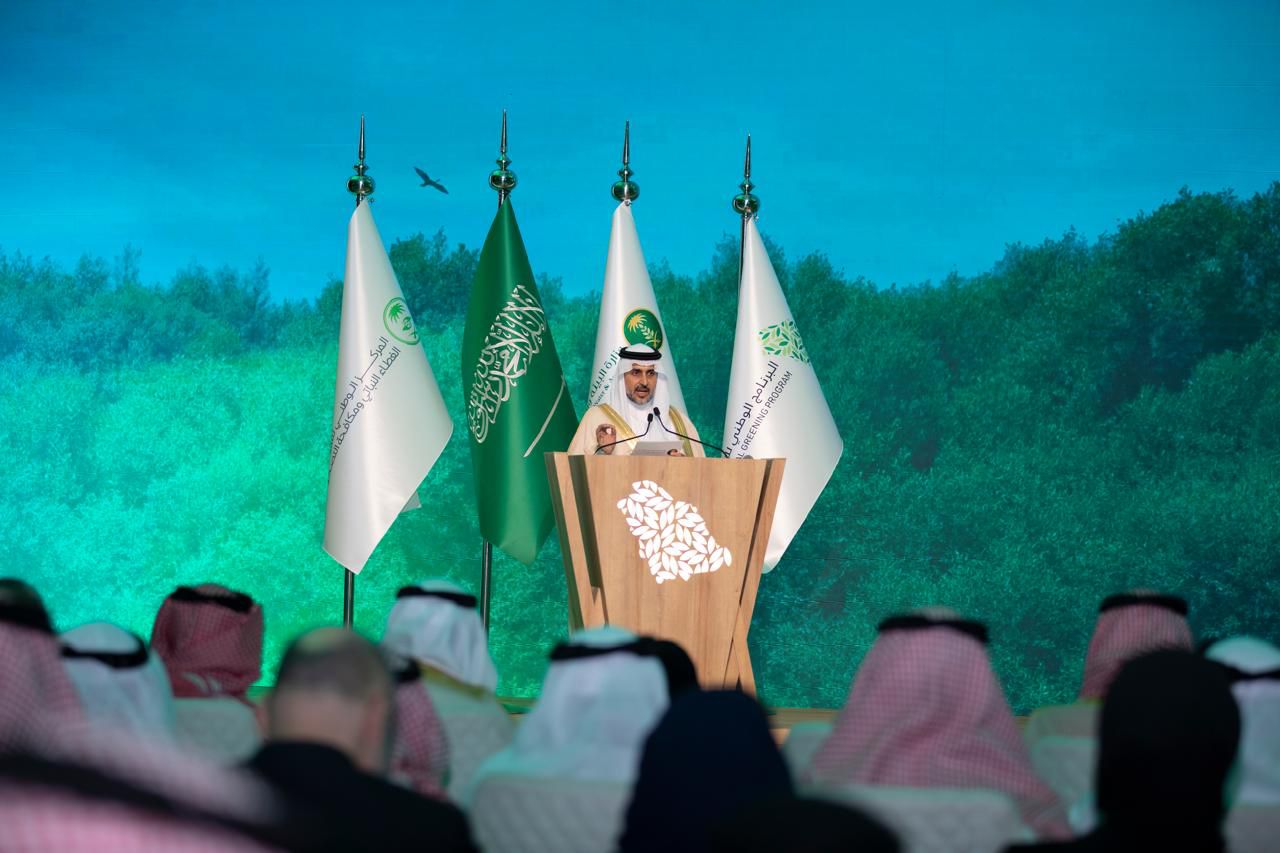
Saudi Arabia has reached a landmark milestone in its national environmental programme, restoring the first one million hectares of degraded land under the Saudi Green Initiative — a target achieved through coordinated action across government entities, the private sector and nonprofit organisations. Minister of Environment, Water and Agriculture Abdulrahman Al-Fadhli announced the achievement, describing it as a reflection of the kingdom’s integrated approach to sustainability and ecological restoration.
A Milestone Built Through Scale and Technology
The restoration of one million hectares has been accompanied by the planting of more than 159 million trees across the kingdom, with work managed through the National Greening Program — the executive arm of the Saudi Green Initiative. The programme operates across 155 initiatives covering 11 operational zones and is working toward long-term targets of rehabilitating 40 million hectares and planting 10 billion trees, placing Saudi Arabia among the most ambitious land restoration programmes in the world by scale.
Central to the programme’s precision and reach is the integration of remote sensing, satellite imagery, drone technology and geographic information systems to monitor environmental indicators, soil conditions and land productivity across vast and often remote terrain. Working alongside the National Greening Program, the National Center for Vegetation Cover Development and Combating Desertification provides the scientific backbone for evidence-based restoration decisions and long-term tracking.
Environmental, Social and Economic Returns
The environmental outcomes from the one-million-hectare restoration are already measurable. Carbon sequestration from the restored land has exceeded 2.2 million tonnes of carbon dioxide, while the restoration of native vegetation has contributed to a recovery in biodiversity across treated zones. Most strikingly, the kingdom recorded a nearly 50 percent reduction in dust storms in 2025 compared with historical averages — an outcome that speaks directly to the quality-of-life impact of restoring vegetation cover across previously degraded land.
Beyond the environmental dimension, the initiative has created more than 68,000 jobs in rangeland management, nursery operations and environmental services — generating livelihoods in areas that would otherwise have limited economic activity. The programme simultaneously supports the development of sustainable agriculture and nascent eco-economy sectors including ecotourism and the production of native plant species, linking environmental restoration to the kingdom’s broader economic diversification goals under Vision 2030.
Saudi Green Initiative Within the Global Climate Commitment
The Saudi Green Initiative was launched in 2021 and sits at the centre of Saudi Arabia’s commitment to addressing land degradation, climate change and biodiversity loss. The kingdom has committed to protecting 30 percent of its terrestrial and marine territory by 2030, and the current restoration milestone is a concrete demonstration of progress against that target — achieved through the kind of cross-sector partnership that the initiative was designed to mobilise.
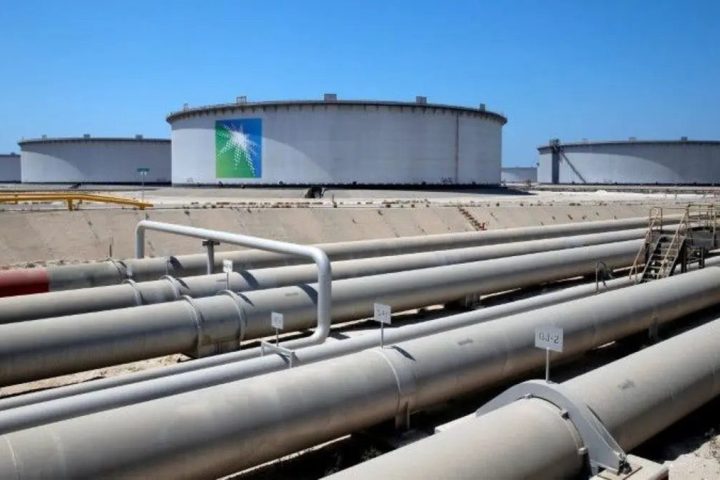
Saudi Arabia has framed environmental protection not as a constraint on development but as an integral element of the Vision 2030 transformation — building sectors that depend on ecological health while demonstrating that the world’s largest oil exporter can lead on environmental stewardship alongside its energy responsibilities. The one-million-hectare milestone is the clearest evidence yet that the programme is delivering at the scale its ambitions require.