

Saudi Arabia marked World Arabic Language Day through a broad range of initiatives that combined international outreach with strong local participation, underscoring the global significance of the Arabic language as a pillar of culture, identity, and human communication. The celebrations highlighted Arabic’s enduring role in knowledge creation and its continued relevance in a rapidly evolving world.
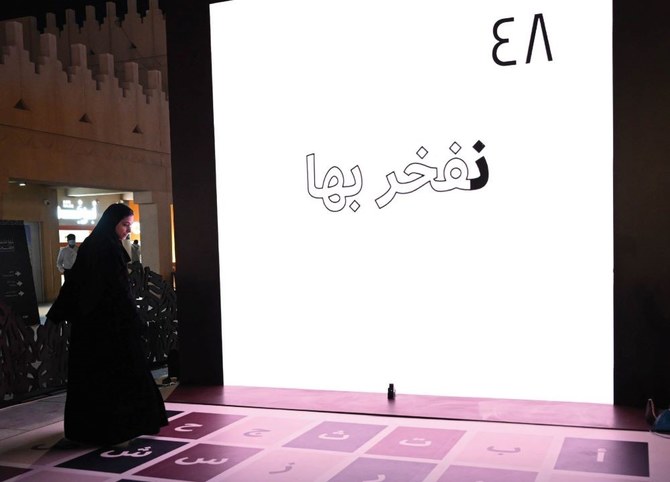
Within the Kingdom, a diverse program of cultural and educational activities was organized, including intellectual forums, literary evenings, language workshops, and exhibitions showcasing the evolution of Arabic and its adaptability across fields such as media, technology, and scientific research. Educational and cultural institutions played an active role, delivering interactive experiences designed to engage audiences of all ages and encourage the everyday use of the language.
Internationally, Saudi-led initiatives extended beyond national borders through collaborations with global cultural and academic institutions. These efforts focused on introducing international audiences to the richness of the Arabic language, its historical depth, and its influence on other civilizations. The outreach initiatives helped strengthen cross-cultural dialogue and reinforced Arabic’s status as a living language with global resonance.
Organizers emphasized that celebrating World Arabic Language Day forms part of a broader strategic vision to support Arabic language development, expand its use in scientific and technological domains, and equip younger generations with strong linguistic skills. They also highlighted the importance of collaboration among educational, cultural, and media institutions in achieving these goals.
These collective efforts reflect Saudi Arabia’s commitment to preserving and advancing the Arabic language both domestically and internationally, positioning it as a dynamic medium for culture, knowledge, and global engagement.