

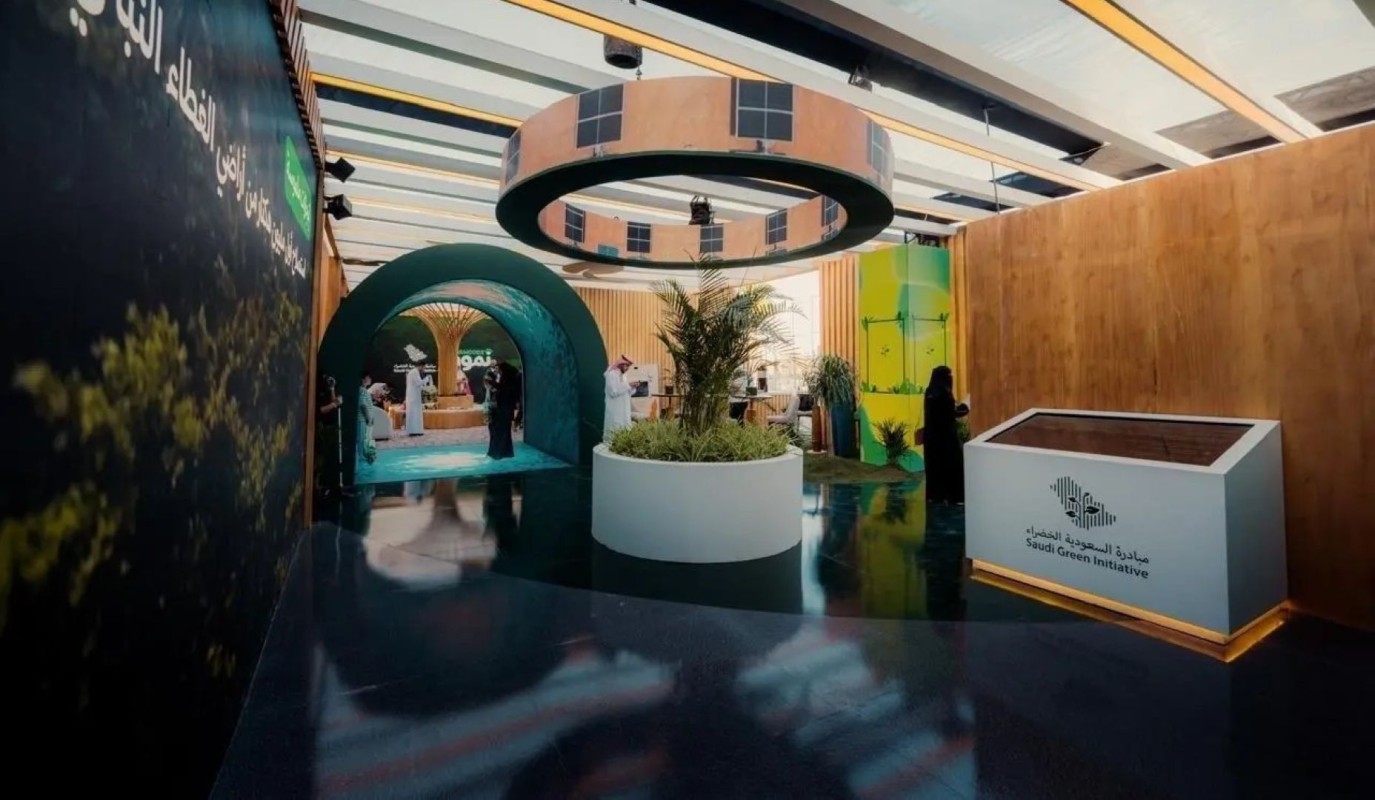
Five years ago today, on March 27, 2021, Saudi Arabia launched one of the most ambitious environmental programmes ever undertaken by an energy-producing nation. The Saudi Green Initiative — announced by Crown Prince Mohammed bin Salman and designed to position the Kingdom as a global leader in sustainability — has since grown into a framework of more than 80 active initiatives, backed by investments of approximately SAR 705 billion in the green economy. Today, on the initiative’s fifth anniversary and the officially designated Saudi Green Initiative Day, the Kingdom reflects on a half-decade of measurable environmental progress.
A Day Dedicated to Sustainability
March 27 was formally designated as an annual Saudi Green Initiative Day by the Council of Ministers in March 2024, anchoring the date permanently in the Kingdom’s official calendar. The designation was made to institutionalise awareness of environmental action across all sectors of Saudi society — government, private sector, and individuals alike — and to create a recurring national moment of reflection on progress made and goals ahead. The first official SGI Day, observed in 2024, carried the slogan “For Our Today and Their Tomorrow: KSA Together for a Greener Future,” a message that captured the generational ambition embedded in the initiative from the outset.
Five Years of Measurable Results
The scale of what has been accomplished since March 2021 is striking. On the renewable energy front, Saudi Arabia has connected projects with a total capacity of 2.8 gigawatts to the National Electric Company — enough to supply approximately 520,000 homes with clean electricity. This represents meaningful early progress toward the Kingdom’s goal of generating 50 percent of its electricity from renewable sources by 2030 and reducing carbon emissions by approximately 278 million tonnes annually by the same year.
The Kingdom’s tree-planting programme — one of the most visible components of the initiative — has seen approximately 49 million trees planted across the country since launch. That figure sits within a much larger ambition: the goal of planting ten billion trees across Saudi Arabia in the decades ahead, as part of a broader effort to combat desertification, reduce sandstorm activity, and restore degraded land. To date, more than 94,000 hectares of land have been rehabilitated.
Protecting the Kingdom’s Natural Heritage
Biodiversity conservation has been another defining pillar of the initiative. The proportion of Saudi Arabia’s terrestrial area protected under formal conservation status has risen to 18.1 percent, while marine protected areas now cover 6.49 percent of the Kingdom’s total maritime zone. These figures reflect a systematic expansion of the protected areas network, supported by management infrastructure, ranger programmes, and scientific monitoring partnerships.
Equally significant is the Kingdom’s wildlife relocalisation effort. Since 2021, approximately 1,660 endangered animals have been relocated into their natural habitats as part of a broader strategy to restore biodiversity and protect 30 percent of the Kingdom’s terrestrial and marine areas by 2030. Species that had been pushed to the margins of their historic ranges are being reintroduced to landscapes being actively restored to support them.
A Vision Aligned with the World’s Climate Goals
The Saudi Green Initiative operates alongside the Middle East Green Initiative — a regional companion programme that positions Saudi Arabia as an anchor of environmental collaboration across the broader Arab world. Together, these two initiatives reflect a straightforward argument: that the transition to a sustainable global economy requires active participation from the world’s major energy producers, not just its energy consumers. Saudi Arabia, in launching and sustaining this programme, has placed itself at the heart of that argument — not as a spectator, but as a principal actor.
On this fifth anniversary, the Saudi Green Initiative stands as one of the most concrete expressions of Vision 2030’s promise: that a Kingdom built on hydrocarbons can, with sustained political will and strategic investment, become a model for the green economy that the world urgently needs.