

Saudi Arabia’s annual inflation rate fell to 1.7% in February 2026, easing from 1.8% recorded in January, according to data released by the General Authority for Statistics (GASTAT). The reading reflects a broadly stable price environment in the Kingdom, as rising housing costs were offset by flat food and beverage prices.
Housing Costs Lead Price Gains
The Consumer Price Index (CPI) reached 104.05 points in February — measured against the 2023 base year — compared to 102.72 points in the same month a year earlier. The housing, water, electricity, gas and other fuels category posted a 4.1% year-on-year increase, with actual residential rents rising 5.1%. Strong demand for housing in major urban centres, fuelled by ongoing development projects and population growth, continues to exert upward pressure on rental markets.
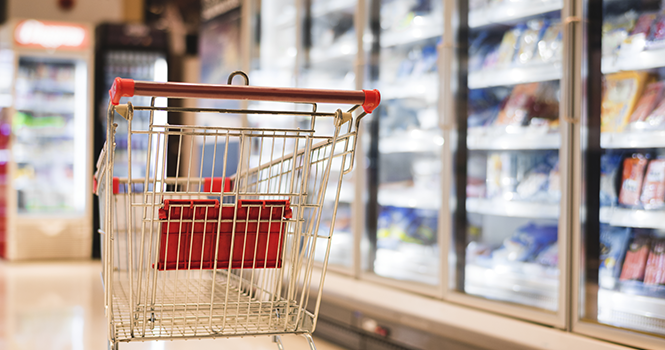
Transport costs rose 1.4% during the month, while education-related spending increased by the same margin. Notably, food and beverage prices remained flat — showing no year-on-year change — providing relief to Saudi households and helping anchor overall inflation at a moderate level. The personal goods and social protection category recorded the sharpest increase among all groups, rising 8.2%.
Regional Variation Across the Kingdom
Riyadh posted the highest regional inflation rate in February at 3.22%, followed by the Northern Borders region at 2.43%. The Eastern Province recorded the lowest rate in the country at 0.16%. Tabuk was the only region to record negative inflation, at minus 0.38%, suggesting mild deflation in that area. With the exception of Tabuk, all regions saw a decline in their inflation rates compared to January.
GASTAT said it has enhanced its data collection and CPI calculation methodology in line with international best practices, updating the base year to 2023 and revising the basket of goods along with their weightings. Geographic coverage has also been broadened to include all regions of the Kingdom.
Controlled Inflation Supports Vision 2030 Goals
Saudi Arabia’s ability to maintain low and stable inflation is a key competitive advantage as the Kingdom continues to execute its Vision 2030 economic transformation. Since 2024, annual CPI readings have consistently remained below 2.5%, reflecting disciplined monetary and fiscal management amid global inflationary pressures. A benign inflation environment supports consumer purchasing power and reinforces Saudi Arabia’s attractiveness as a destination for foreign investment.
The latest data comes as Saudi Arabia’s financial markets are set to observe the Eid Al Fitr holiday, with trading scheduled to resume after the break. Economic indicators heading into the second quarter of 2026 point to continued resilience in the Kingdom’s domestic economy.