


On the morning of August 2, 2027, Saudi Arabia will find itself at the centre of one of the most extraordinary celestial events of the century. The longest total solar eclipse to cross easily accessible land in the 21st century will sweep across Jeddah and Mecca, placing the Kingdom in a position to become one of the premier destinations for eclipse tourism in the world.
The Eclipse of the Century
Astronomers and eclipse chasers have long circled August 2, 2027 on their calendars. The total solar eclipse scheduled for that date will produce a maximum duration of totality lasting six minutes and 23 seconds — far exceeding the four minutes and 28 seconds of the widely celebrated Great North American Eclipse of April 2024, and vastly surpassing the two minutes and 18 seconds expected from the 2026 eclipse visible in Iceland.
The path of totality — the narrow corridor on the earth’s surface where the moon completely blocks the sun — will cut through Cadiz and Malaga in southern Spain, cross the Moroccan coast near Tangier, pass over the Nile Valley in Egypt where the maximum totality duration peaks near Luxor, and sweep through southwest Saudi Arabia, placing both Jeddah and Mecca directly beneath the shadow of the moon.
Dr. Kelly Korreck, a programme scientist for eclipses at NASA, described the event as singular: “So far, Earth is the only planet we know that gets this type of solar eclipse. To have a moon that is the perfect size and the perfect distance to be able to witness this is really special.”
Jeddah and Mecca: Unique Viewing Destinations
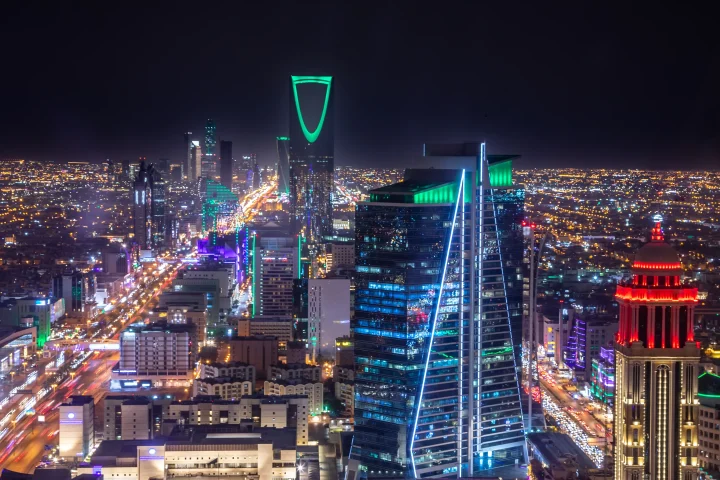
For Saudi Arabia, the significance of the 2027 eclipse extends beyond astronomy. The fact that Jeddah — an emerging global tourism hub with rapid hotel and infrastructure development — and the holy city of Mecca both fall within the path of totality creates a combination that no other eclipse in living memory has offered: a celestial spectacle in one of the world’s most spiritually significant landscapes.
Travel industry analysts note that this convergence of astronomical rarity and cultural depth positions Saudi Arabia as a uniquely compelling destination for the hundreds of thousands of eclipse chasers and curious travellers who are expected to travel for the event. Major cities in the path, including Jeddah, are already beginning to see growing international interest as tour operators and travel agencies develop eclipse-viewing packages.
Saudi Arabia’s tourism infrastructure has expanded dramatically since 2019, with new resorts, airline route expansions, and streamlined visa policies making the Kingdom more accessible than at any previous point in its history. This trajectory aligns closely with the 2027 eclipse timeline, giving the country more than a year to prepare world-class hospitality and event infrastructure for an unprecedented influx of visitors.
Astrotourism and Vision 2030
The global astrotourism market has grown significantly over the past five years, with eclipses, meteor showers and dark-sky destinations drawing a new category of experience-seeking travellers. Saudi Arabia’s entry into this niche aligns naturally with Vision 2030’s ambition to diversify tourism offerings beyond pilgrimage and cultural heritage sites, creating a broader spectrum of reasons for international visitors to choose the Kingdom.
The 2027 eclipse also adds a compelling scientific dimension to Saudi Arabia’s tourism identity. Events of this rarity attract researchers, astrophotographers, educators and media from across the world, generating a level of global attention that no marketing campaign could replicate. For the Kingdom, the eclipse is both an astronomical event and a tourism catalyst — and it arrives at precisely the moment Saudi Arabia is making its most assertive bid to reshape its standing on the global travel map.