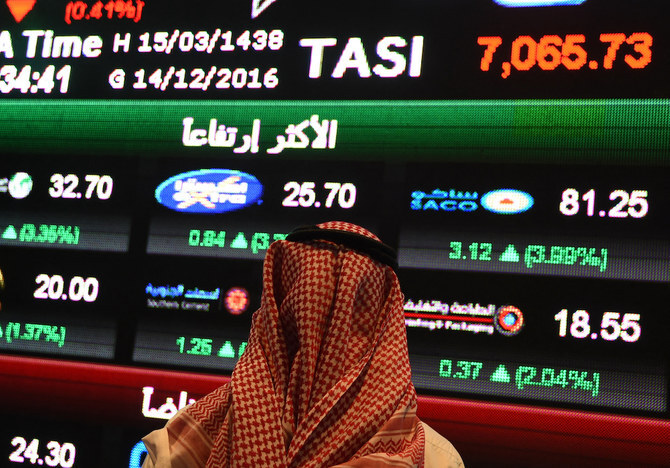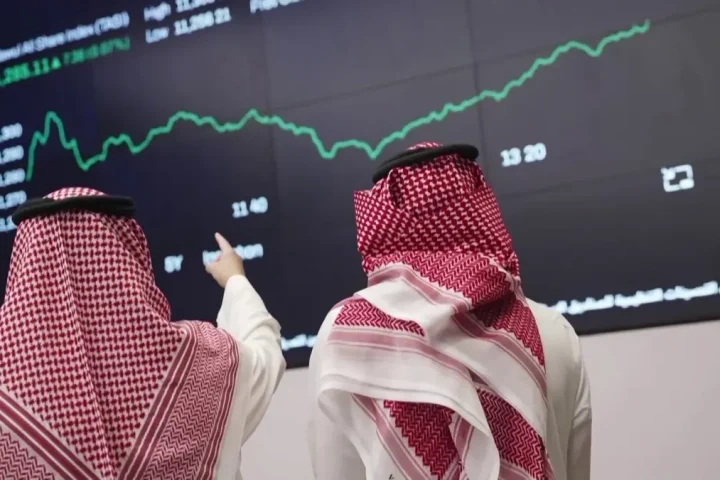



Saudi Arabia is opening its capital market to foreign investors in a sweeping reform that eliminates decades-old barriers. The Capital Market Authority announced the changes this week, allowing non-resident investors to trade directly on Tadawul without prior approval.
The decision marks a turning point for the region’s largest stock exchange. International funds and institutions can now own shares directly in listed Saudi companies. Real ownership, real voting rights, direct market access.
The old Qualified Foreign Investor system required months of paperwork and government vetting. Minimum asset thresholds kept smaller players out entirely. That framework is now history.
Six investor categories have clear pathways into the market under streamlined rules. Resident foreigners, GCC-based investors, non-residents, legal entities, strategic investors, and foreign funds each operate under defined guidelines tailored to their circumstances.
The complexity that once discouraged all but the most determined international players has been replaced with clarity and predictability.
Limits remain in place to ensure market stability. No single foreign investor can hold more than ten percent of a listed company. Total foreign ownership caps at forty-nine percent across all categories.
These thresholds protect domestic control while opening doors that were firmly shut just months ago. The balance reflects careful planning rather than rushed deregulation.
Vision 2030 requires international capital and expertise at scale. Every dollar flowing into Tadawul-listed companies strengthens the ecosystem supporting the Kingdom’s economic transformation.
The privatization pipeline alone will require trillions of riyals in investment over the coming years.
Market analysts expect significant inflows over the coming months. International index providers have already increased Saudi Arabia’s weight in emerging market benchmarks. This regulatory change should accelerate that trend considerably.
The Kingdom’s stock exchange, already the largest in the Middle East, is positioning itself as a genuine global player capable of competing with established financial centers.
For international investors who watched Saudi Arabia from the sidelines for years, the message is unmistakable. The regulatory maze has been simplified, barriers systematically lowered, and the welcome mat rolled out.
According to the Capital Market Authority, the new framework takes effect immediately.
The move aligns with broader efforts to attract global capital. The Saudi Times has been tracking these regulatory changes throughout the year.
What happens next depends entirely on how global capital responds to this historic invitation.