

Here’s the thing about artificial intelligence in defense: everyone’s talking about it, but very few countries are actually confronting the hard question head-on. Saudi Arabia just did.
At the World Defense Show 2026 outside Riyadh, a senior official from the General Authority for Defense Development dropped what might be the most consequential tech question of the year: should Saudi Arabia build AI into its existing defense systems, or should it build entirely new platforms where AI isn’t an add-on — it’s the foundation?
AI-Enhanced vs. AI-Native: What’s the Difference?
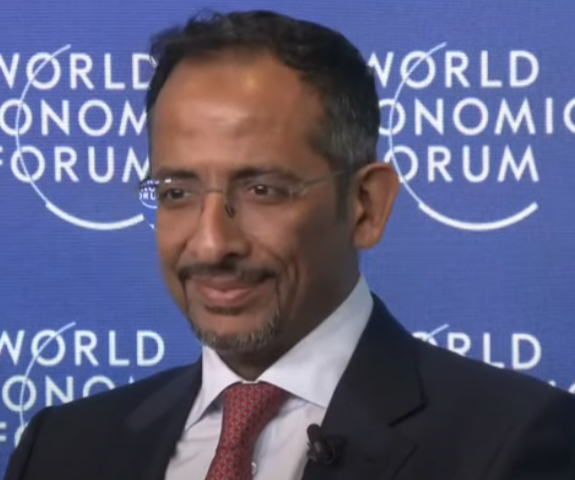
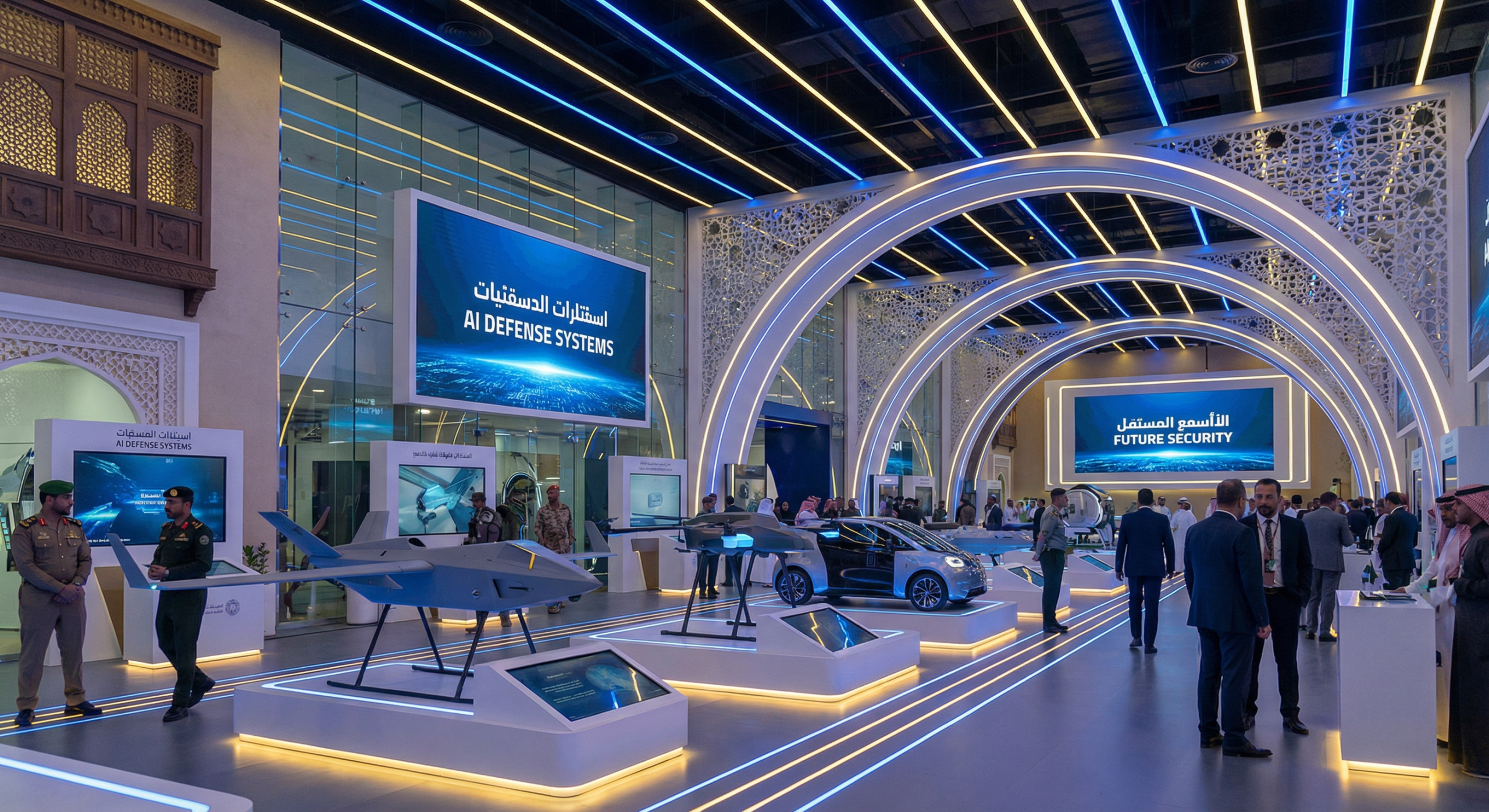
Majid Algarni, a key figure at the General Authority for Defense Development, laid it out pretty clearly. AI-enhanced systems? They’re already here. Walk the exhibition floor and you’ll see them — existing military tech with AI bolted on, doing pattern recognition here, automating a process there. Useful, sure. But limited.
AI-native, though? That’s a different animal entirely. We’re talking platforms designed from scratch with artificial intelligence woven into every layer — “from chips to data to models and then to agentic stuff,” as Algarni put it. It’s not a tweak. It’s a reimagining of what defense technology even looks like.
The Trust Problem Nobody Can Ignore
Of course, there’s a catch. And Lockheed Martin’s Lawrence Schuette didn’t sugarcoat it. He pointed to something anyone who’s used ChatGPT has experienced — hallucinations. AI systems that confidently give you wrong answers.
“Go back and ask ChatGPT how many ‘r’s there are in the word strawberry. It’ll tell you two. But your kindergartner will tell you three, and your kindergartener is correct,” Schuette said during the panel. His point? If AI can stumble on something that simple, imagine the stakes when it’s making military decisions.
The consensus was clear: AI can’t be the sole decision-maker. Not yet. It needs to be part of the process, earning trust incrementally — “and then as you learn to trust it, and it trusts you, you’re going to be able to make faster decisions at machine speed but with human accuracy.”
Vision 2030 Meets the Battlefield
What makes Saudi Arabia’s position particularly interesting is the broader context. AI isn’t just a military priority — it’s the first technology priority under Vision 2030. The Kingdom has been pouring resources into AI infrastructure, talent development, and strategic partnerships. This isn’t a country dabbling in tech; it’s one that’s made a national bet on it.
And yet, Algarni was quick to emphasize responsibility. Saudi Arabia has signed international AI safeguard agreements, and the message was unambiguous: “We do care about responsible AI in the military.” In every critical action — every “killing chain” decision — a human must remain in control.
The Inevitable Future
Honestly? By the end of the panel, it sounded less like a choice and more like a timeline. AI-native isn’t an if — it’s a when. The US Air Force has already shown that AI agents can draft battle plans 400 times faster than humans (though some were, well, wrong). The Pentagon has rolled out AI chatbots across all personnel. The direction of travel is clear.
Saudi Arabia isn’t just watching this revolution unfold. It’s positioning itself at the center of it — asking the right questions, investing in the infrastructure, and doing it with guardrails that matter. “For the long term,” Algarni said, “the human-machine interface will be taken to another league.”
The league might be closer than anyone thinks.