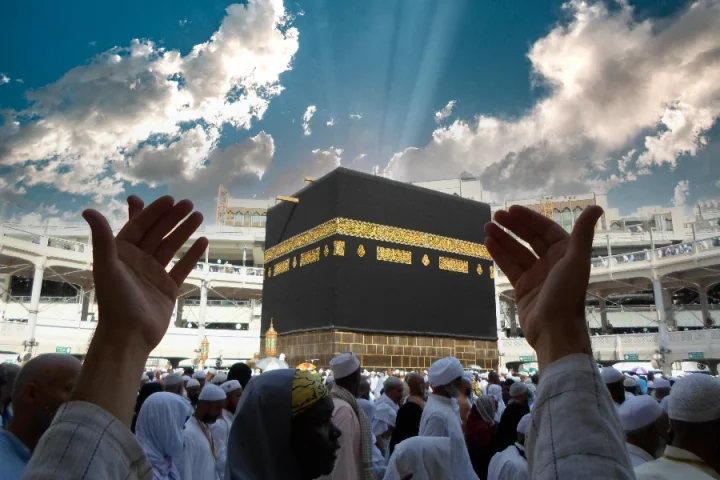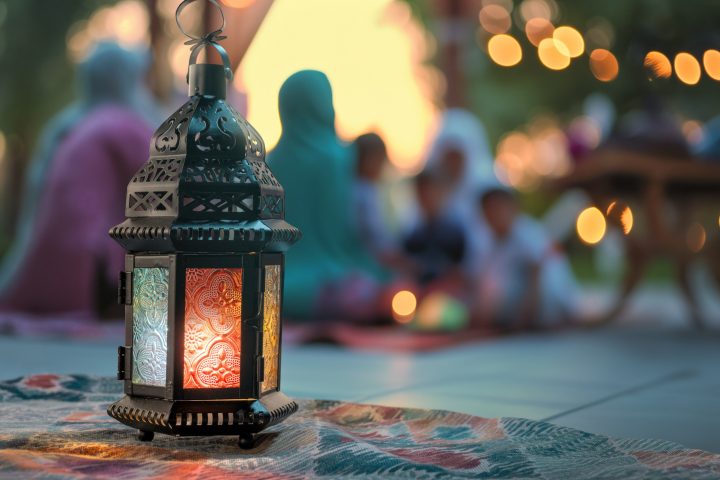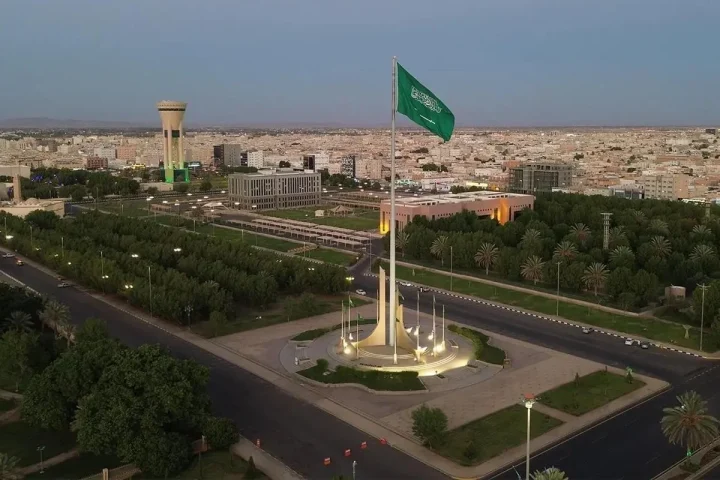


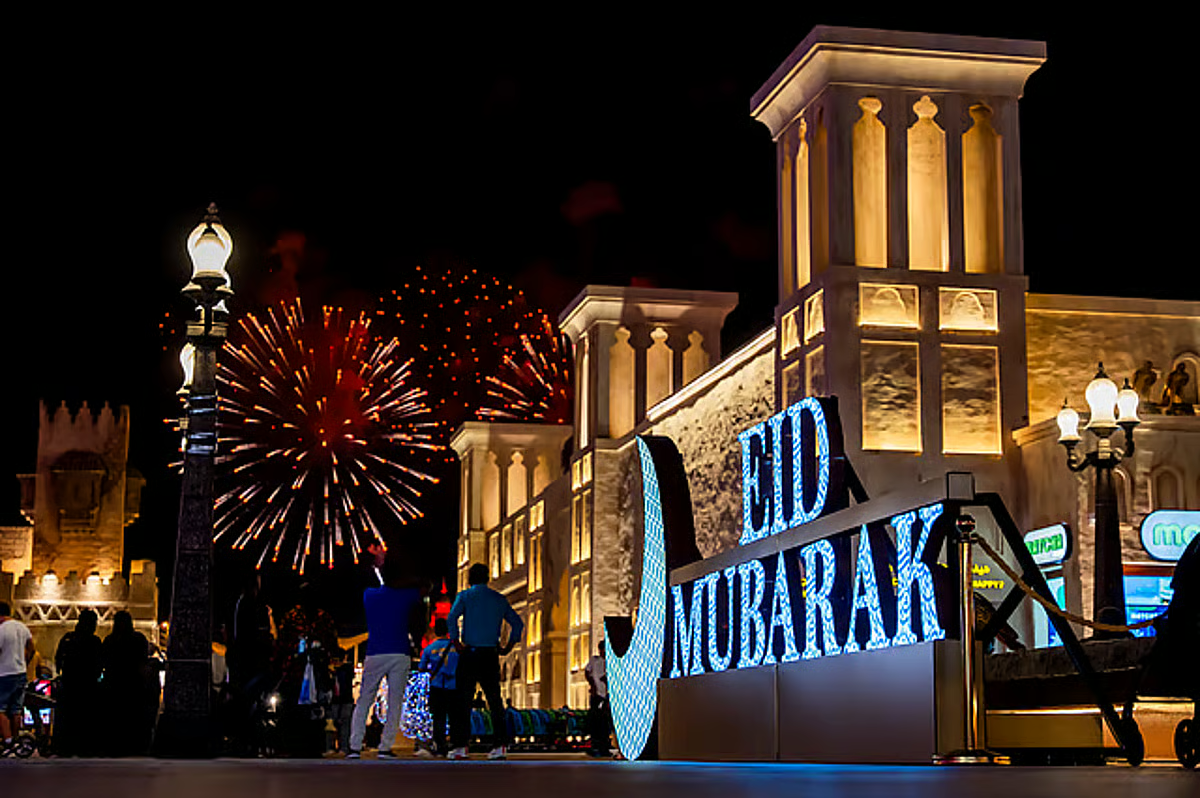
As Ramadan enters its final days, Saudi Arabia is preparing to welcome Eid Al-Fitr on Friday, March 20, 2026. The International Astronomical Centre (IAC) has confirmed that the crescent moon will not be visible on the evening of Tuesday, March 18 — the 29th night of Ramadan — making it effectively impossible for the lunar month to end on that date. Saudi Arabia is therefore set to complete a full 30-day Ramadan, pushing the celebration of Eid to the following Friday.
The Moon Sighting Process
Saudi Arabia follows the tradition of physical moon sighting to determine the conclusion of Ramadan and the beginning of Shawwal, the tenth month of the Islamic calendar. The official moon sighting committee is scheduled to convene on the evening of Wednesday, March 19, when crescent visibility is expected to be confirmed. Once the crescent is sighted and authenticated, the Supreme Court formally announces the first day of Shawwal, marking the arrival of Eid.
Ramadan this year began on February 18 in the Kingdom, following the confirmed sighting of the crescent moon. With the IAC’s astronomical assessment ruling out an early conclusion to the month, residents and citizens can plan with confidence for the long weekend ahead.
Public Holidays and Eid Preparations
Saudi Arabia has already announced the official public holiday schedule for Eid Al-Fitr 1447H. Both government and private sector employees will benefit from a holiday period aligned with the occasion, allowing families across the Kingdom to gather, exchange visits, and participate in the communal prayers that define the celebration.
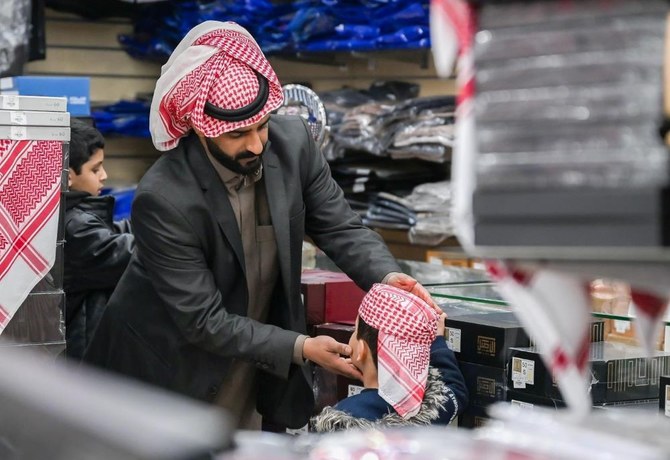
Across Saudi cities, preparations are well under way. Shopping malls, traditional markets, and souks have seen a surge in activity as families purchase new clothing, gifts, and food items in anticipation of the festivities. The Saudi Ministry of Commerce has announced monitoring campaigns to ensure price stability and fair trading practices in consumer markets throughout the Eid period.
A Season of Generosity and Celebration
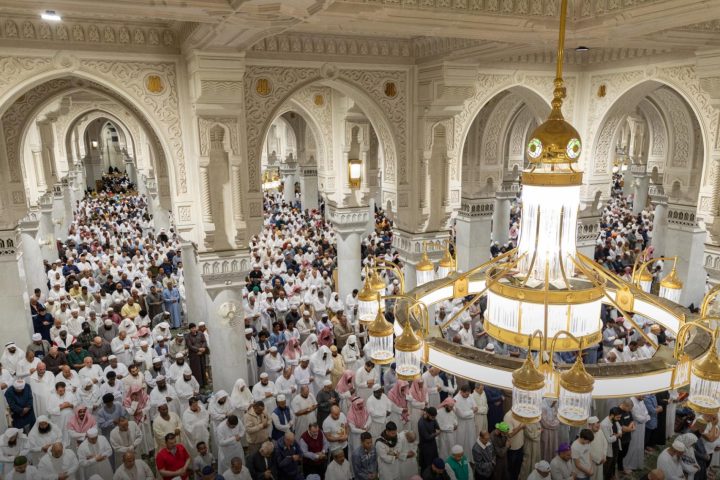
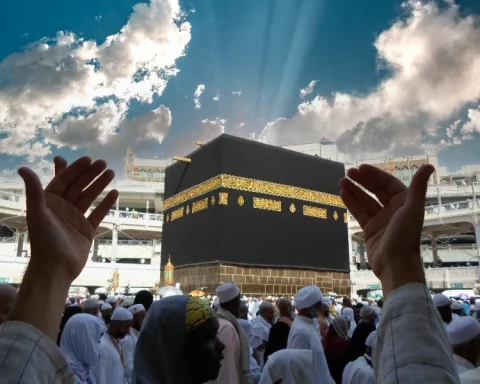
Eid Al-Fitr holds a special place in the Saudi social calendar as a moment of communal joy following a month of spiritual reflection and fasting. Morning prayers at mosques across the Kingdom draw large congregations, followed by family gatherings and the tradition of giving Zakat al-Fitr — the obligatory charity distributed to those in need before the Eid prayer. The spirit of generosity that characterises the occasion is reflected in the increased charitable giving recorded during the final days of Ramadan each year.
With Eid Al-Fitr falling on a Friday this year, the holiday weekend carries particular significance, offering an extended period for rest, reflection, and celebration for millions of residents across Saudi Arabia.