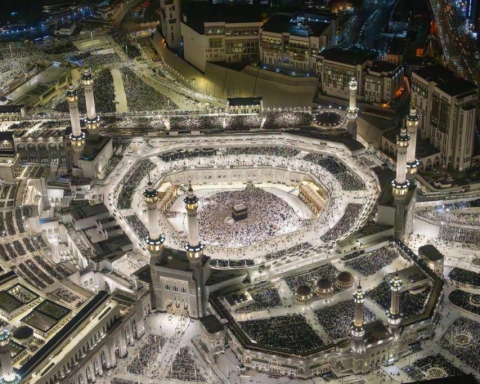


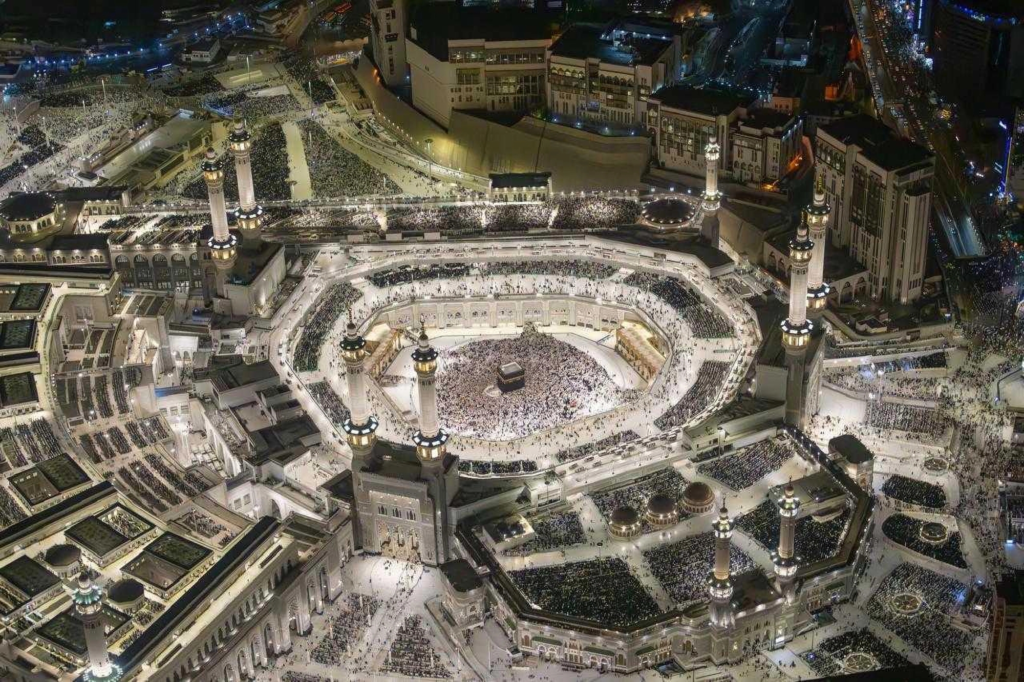
Saudi Arabia has brought the curtain down on Ramadan 1447H with a landmark in pilgrimage management, as the General Authority for the Care of the Two Holy Mosques confirmed the full success of its integrated operational plan for the season. Millions of worshippers and Umrah performers were served across the Grand Mosque in Makkah and the Prophet’s Mosque in Madinah, marking what officials described as one of the most meticulously executed pilgrimage seasons in recent memory.
Record Attendance at the Two Holy Mosques
Figures released in the final days of Ramadan revealed that 96.6 million pilgrims visited the Masjid Al-Haram and the Prophet’s Mosque combined during the first 20 days of the holy month alone. Within that period, 15.6 million Umrah pilgrims completed their rituals at the Grand Mosque — one of the highest single-month Umrah volumes ever recorded. Daily peaks reached as many as 904,000 Umrah pilgrims in a single 24-hour period, a figure that underscores the enormous scale of the logistical undertaking managed by Saudi authorities.
An Operational Blueprint Refined Over Years
The General Authority credited a multi-year investment in crowd management technology, staffing, and infrastructure for the season’s smooth execution. Thousands of personnel were deployed across both holy sites, supported by real-time monitoring systems, digital crowd-flow analysis, and a network of service points designed to accommodate worshippers arriving from more than 180 countries. The authority emphasised that the Kingdom’s commitment to serving the guests of God has driven continuous improvements to every aspect of the pilgrimage experience, from transportation and accommodation to health services and spiritual guidance.
Saudi Arabia’s Role as the World’s Host
The successful conclusion of Ramadan 1447H reinforces Saudi Arabia’s standing as the global centre of Islamic worship and hospitality. The Grand Mosque expansion programmes launched under Vision 2030 have progressively increased the capacity to welcome pilgrims, while ongoing investments in transport links, digital services, and visitor amenities continue to raise the standard of the experience offered to Muslims arriving from every corner of the world. With the Hajj season approaching in the coming months, the operational foundations laid during Ramadan will serve as the basis for managing an even larger convergence of pilgrims at the holy sites.