

Saudi Arabia has risen 15 places in the 2026 World Happiness Report, reaching 22nd place out of 147 countries surveyed globally. The Kingdom recorded a life evaluation score of 6.817 out of 10, a result that reflects the sustained and wide-ranging improvements in living standards, services, and quality of life that have accompanied the implementation of Vision 2030 over the past several years.
The World Happiness Report, produced annually under the auspices of the United Nations, assesses wellbeing through a composite measure that includes economic security, social support, health and longevity, freedom, generosity, and perceptions of governance. Saudi Arabia’s climb of 15 positions in a single edition places it among the most notable movers in the report’s 2026 edition, and marks the first time the Kingdom has ranked within the global top 25.
The Vision 2030 Effect on Daily Life
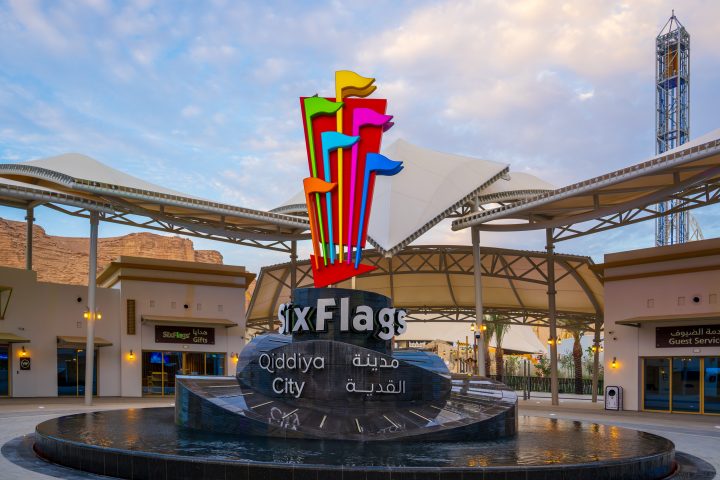
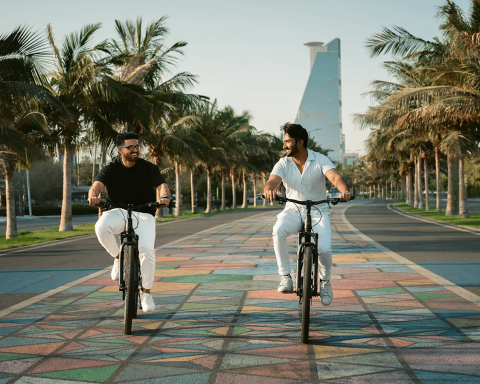
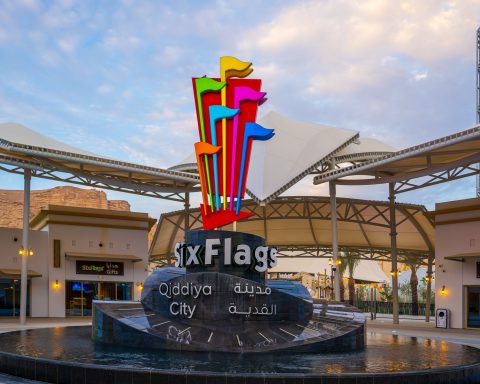
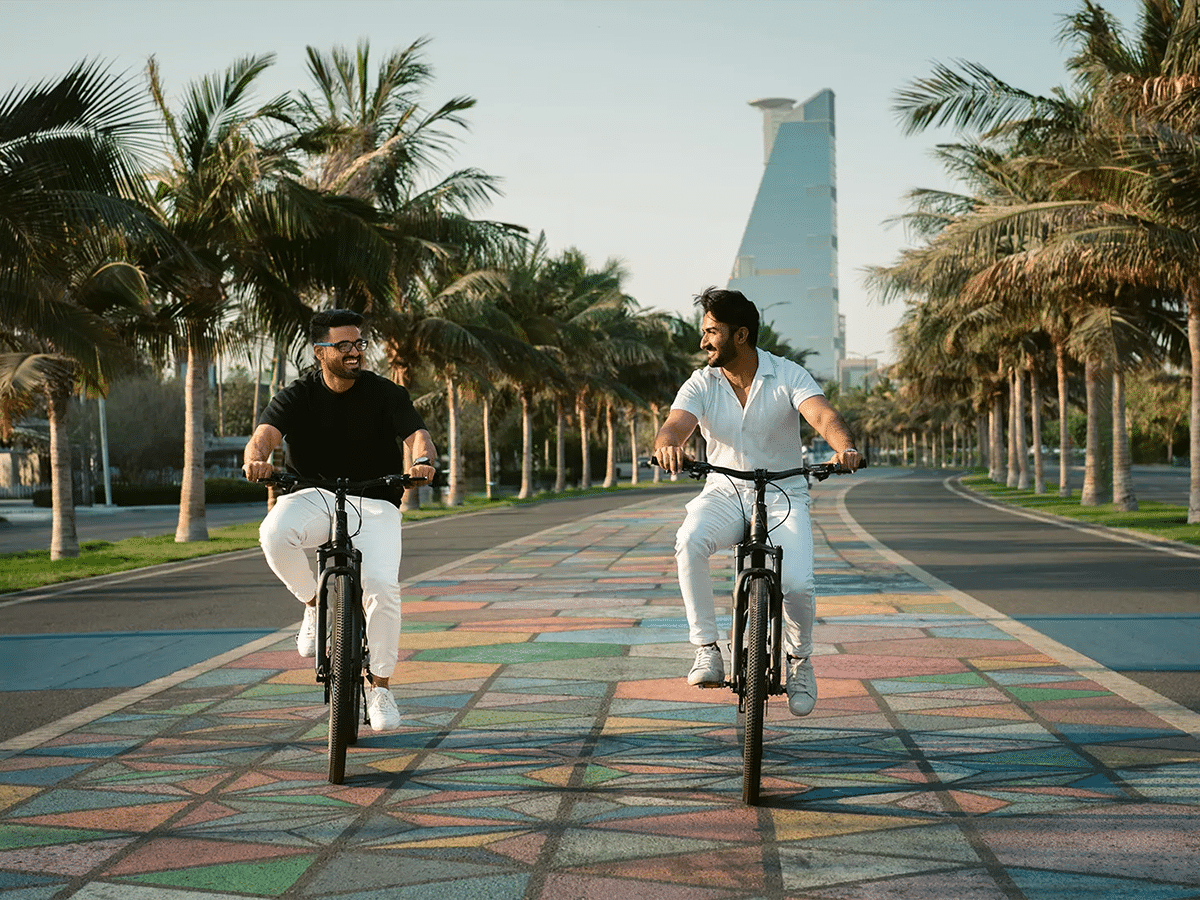
The improvement in Saudi Arabia’s happiness ranking is consistent with the transformation that Vision 2030’s Quality of Life Program has been designed to deliver. Launched to expand cultural, entertainment, and recreational opportunities for residents, the programme has since generated a measurable shift in how people live, spend their leisure time, and engage with their cities. The opening of cinemas, the growth of the live entertainment industry, expanded sports participation, and the development of public spaces have each contributed to a domestic environment that surveys increasingly reflect as more fulfilling.
Economic dimensions of the reform agenda have also played a role. Rising employment among Saudi women, the expansion of private sector opportunities, and improvements in the quality of public services — from healthcare to transport — have strengthened the material foundations of wellbeing across the population. The happiness report’s methodology is sensitive to exactly these kinds of structural, sustained changes rather than one-off events.
A Broader Story of National Confidence
Saudi Arabia’s 22nd-place ranking puts it ahead of many established economies in Europe and Asia, a positioning that carries both symbolic and practical significance. For the country’s leadership, rankings of this kind provide an external validation of the reform strategy that complements domestic measures of progress. For international observers and investors, they signal a society in genuine transition — one where rising prosperity, expanding opportunity, and a richer cultural life are combining to produce outcomes that independent global indices now consistently recognise.
The 2026 result follows a period during which Saudi Arabia has appeared with increasing frequency among top performers in international assessments covering competitiveness, business environment, and now wellbeing — a pattern that underscores the breadth of the transformation underway across the Kingdom.