

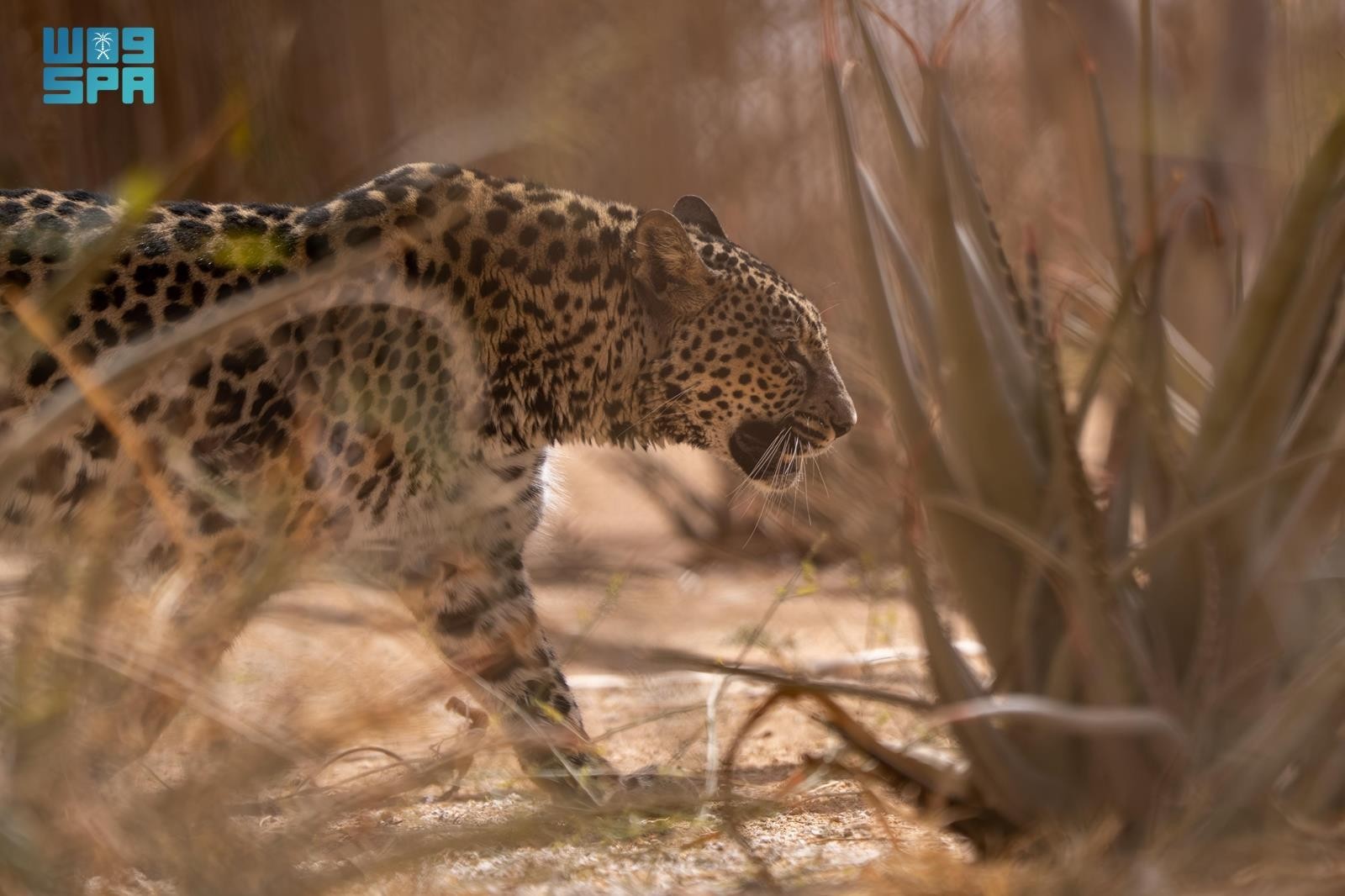
There’s something almost poetic about dedicating a day to an animal most people will never see in the wild. But that’s precisely the point. Today — February 10th — marks World Arabian Leopard Day, and Saudi Arabia isn’t just observing it. The Kingdom is leading the global effort to save one of the planet’s most critically endangered big cats from extinction.
A “Journey of Hope” Begins in AlUla
This year’s celebrations, themed “Journey of Hope,” are centered in AlUla, the ancient oasis city in northwestern Saudi Arabia that has become ground zero for Arabian leopard conservation. The Royal Commission for AlUla (RCU) is hosting a series of events including guided ecological tours, community dialogues, and dedicated leopard trails organized in partnership with AlUla Club.
Here’s the thing: fewer than 200 Arabian leopards are estimated to remain in the wild. That’s not a typo. Two hundred. The species has been classified as Critically Endangered by the International Union for Conservation of Nature (IUCN), making every single conservation effort count.
From Saudi Initiative to UN Recognition
What makes this story particularly compelling is how Saudi Arabia turned a local conservation initiative into a globally recognized occasion. The RCU first launched World Arabian Leopard Day in 2022, partnering with the Arabian Leopard Fund and Catmosphere Foundation. By June 2023, the United Nations General Assembly had formally adopted February 10th as the official international day — a remarkable achievement for wildlife conservation.
It’s not just symbolic, either. Saudi Arabia’s Arabian Leopard Breeding and Conservation Centre in AlUla has earned membership in the European Association of Zoos and Aquaria (EAZA) — the first facility in the Kingdom and only the third in the entire Middle East to achieve this distinction.
An Ecosystem Approach, Not Just a Species
What sets Saudi Arabia’s approach apart is its holistic vision. The RCU isn’t simply trying to breed leopards in captivity and call it a day. The strategy involves restoring entire ecosystems across AlUla’s six nature reserves — from native vegetation and prey species to the top predators themselves.
Working alongside partners including the Smithsonian Institution, the Arabian Leopard Fund, and the IUCN, the RCU conducts ongoing environmental data analysis, wildlife monitoring after release programs, and long-term conservation strategy development that aligns with international best practices.
The ultimate goal? Reintroducing the Arabian leopard into its natural habitats across AlUla’s reserves — a goal that seemed unthinkable just a decade ago.
Going Global with the Message
This year’s celebrations extend beyond Saudi borders. The RCU is partnering with the Smithsonian Institution to host a specialized workshop and awareness event in the United States, aimed at raising international consciousness about the Arabian leopard’s plight.
Honestly? It’s the kind of soft power that actually matters — not flashy, not performative, but grounded in science and genuine ecological commitment.
Why This Matters for Vision 2030
The Arabian leopard conservation program fits neatly within Saudi Arabia’s broader Vision 2030 framework, which emphasizes environmental sustainability alongside economic diversification. AlUla itself has been transformed from a relatively unknown archaeological site into one of the world’s most ambitious heritage and nature destinations.
And at the heart of it all — quite literally — is a spotted cat that refuses to disappear quietly. For Saudi Arabia, saving the Arabian leopard isn’t just about wildlife. It’s about proving that ambition and environmental responsibility can coexist. And so far, the Kingdom is making a convincing case.