

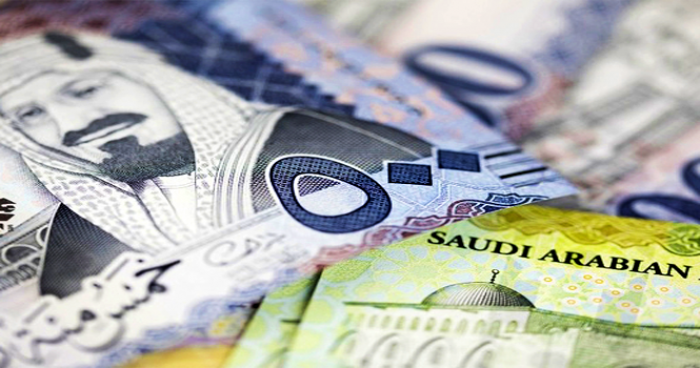
Saudi Arabia’s banking sector continued to demonstrate robust financial momentum in January 2026, as outstanding loans extended to the private sector and non-financial government enterprises surged to SAR 3.43 trillion, according to the latest data from the Saudi Central Bank (SAMA). The figure represents a 10 percent increase compared to the same period last year, underlining the sustained expansion of credit access across the Kingdom’s economy.
Broad-Based Credit Expansion
The growth was broad-based, with lending flowing across multiple sectors including real estate, construction, trade, and services. Banks operating in the Kingdom extended financing at a pace consistent with the accelerating demands of Vision 2030 projects, which continue to attract both domestic and international investment. The steady rise in private sector credit underscores the confidence that financial institutions carry in the health of the Saudi economy.
SAMA’s data also pointed to increased borrowing by non-financial government enterprises, reflecting expanded public sector investment in infrastructure and economic diversification initiatives. This dual-track growth — across both private businesses and public enterprises — positions Saudi Arabia’s credit market as one of the more dynamic in the region.
Vision 2030 as Credit Catalyst
Analysts tracking the Saudi banking sector have noted that the sustained rise in lending activity is closely tied to Vision 2030-driven projects. Major giga-projects including NEOM, Diriyah, and the Red Sea Project continue to require substantial financing, channeled through Saudi banks and capital markets. As these projects scale up construction and operational phases, demand for credit is expected to remain elevated throughout 2026.
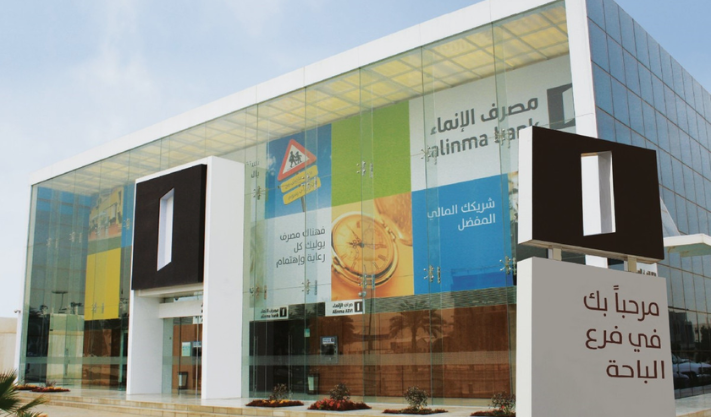
The banking sector itself has adapted to meet this demand, with several listed institutions reporting record or near-record profit levels in their 2025 annual results. Alinma Bank posted a net profit of SAR 6.4 billion for 2025, a 10 percent annual increase, reflecting the broader sector’s positive trajectory. Banks have also moved to strengthen their capital bases, positioning themselves to sustain expanded lending without compromising regulatory thresholds.
Lending and the Kingdom’s Economic Outlook
The rise in private sector credit aligns with the Kingdom’s macroeconomic indicators, which point to continued non-oil GDP growth as a primary policy objective. Saudi Arabia’s diversification agenda, anchored in Vision 2030, has accelerated investment in tourism, entertainment, manufacturing, and technology — all sectors that increasingly rely on bank financing.
Credit quality also remains a key focus for regulators. SAMA has maintained a stable monetary environment, with interest rates aligned to the US Federal Reserve’s trajectory given the Saudi riyal’s peg to the US dollar. A Federal Reserve meeting is scheduled for March 18 in Washington, and its outcome is expected to influence future borrowing costs across the Kingdom’s financial sector.
The SAR 3.43 trillion lending milestone reinforces the message that Saudi Arabia’s financial sector stands as a pillar of the broader economic transformation underway — not merely a support function, but an active driver of the nation’s growth ambitions.