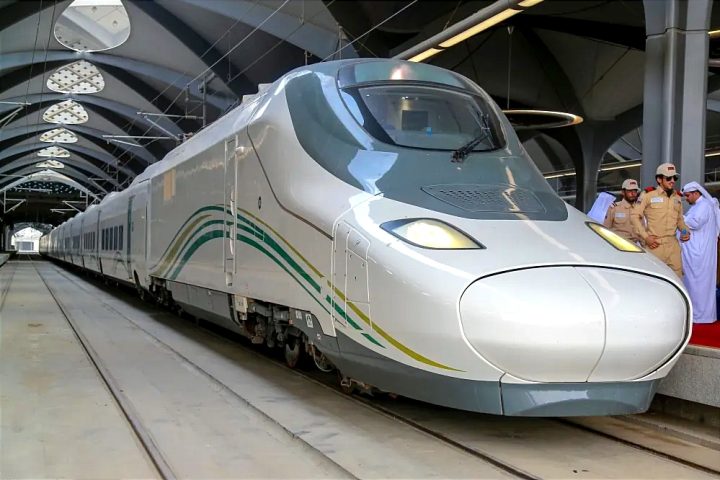


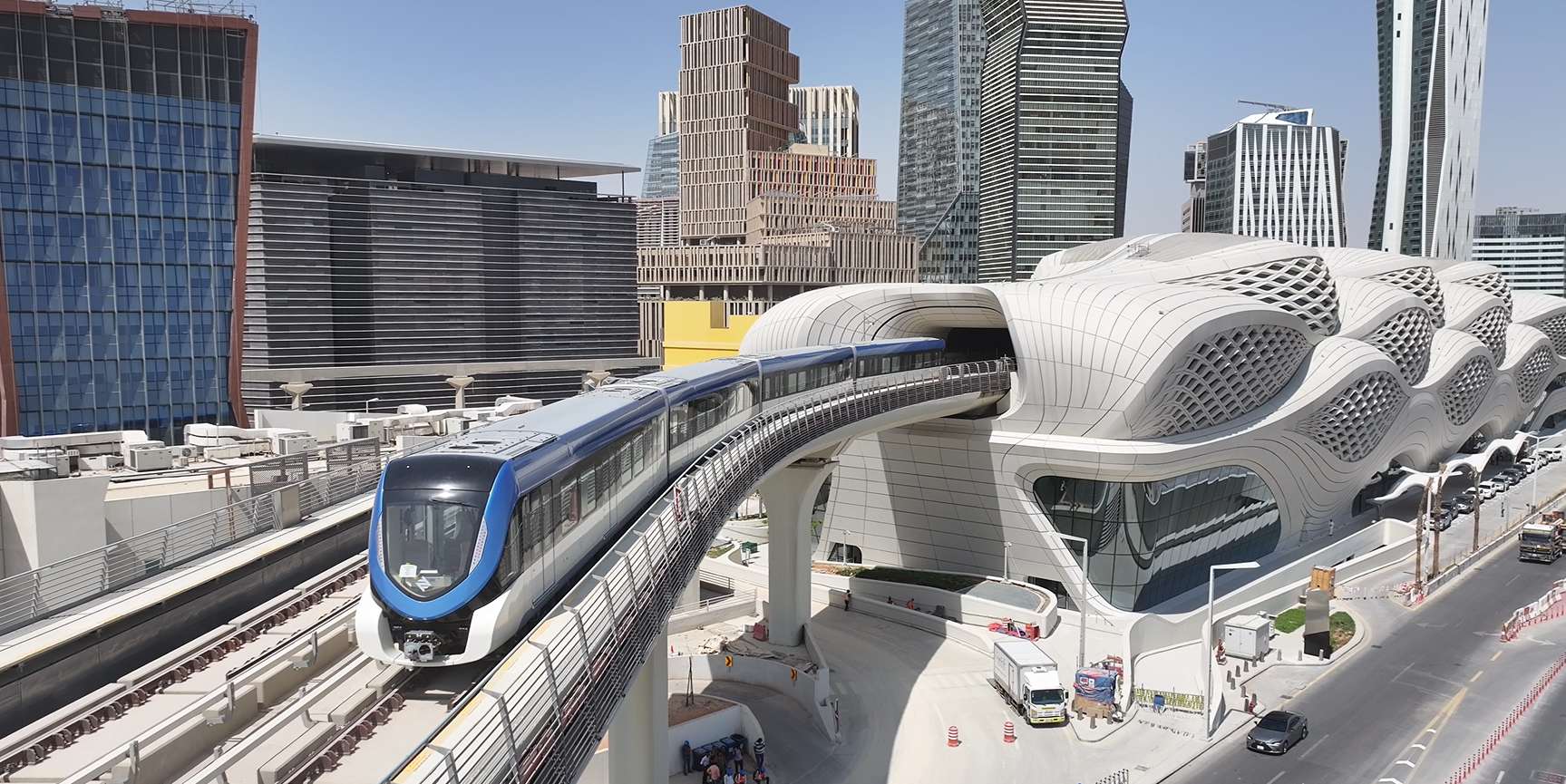
The Riyadh Metro, one of the world’s most advanced urban transportation systems, has entered its final testing phase as preparations intensify for full commercial operations scheduled for early 2026. This milestone represents the culmination of nearly a decade of planning, construction, and technological integration that will transform the Saudi capital’s urban landscape.
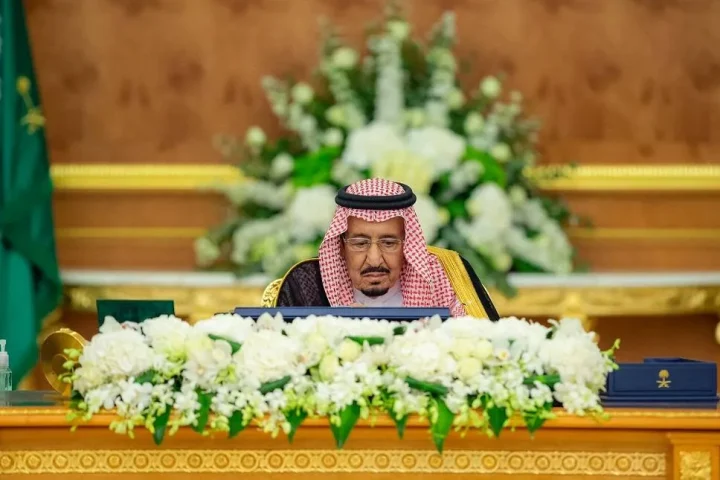
King Salman inaugurated the comprehensive testing program during a special ceremony at the King Abdullah Financial District station, highlighting the project’s significance for Saudi Arabia’s modernization efforts. The testing phase involves rigorous evaluation of all six metro lines, covering over 176 kilometers of track and connecting 85 strategically located stations across Riyadh.
Advanced artificial intelligence systems now manage the entire network, ensuring optimal scheduling, passenger flow management, and predictive maintenance protocols. The integration of smart city technologies allows real-time monitoring of system performance, passenger satisfaction, and environmental impact. These innovations position Riyadh Metro among the most technologically sophisticated transit systems globally.
The economic implications of the metro’s launch extend far beyond transportation efficiency. Real estate values along metro corridors have already increased by an average of 35 percent, while new commercial districts are emerging around major stations. The system is expected to reduce traffic congestion by up to 40 percent, significantly improving air quality and reducing commute times for millions of residents.
Environmental sustainability remains a core focus of the Riyadh Metro project. Solar panels installed across station rooftops and maintenance facilities generate renewable energy to power significant portions of the system. Water recycling systems, energy-efficient lighting, and sustainable building materials demonstrate Saudi Arabia’s commitment to environmentally responsible urban development.
The metro’s design reflects Saudi Arabia’s rich cultural heritage while embracing contemporary architectural excellence. Each station features unique artistic elements created by local and international artists, celebrating the Kingdom’s history and vision for the future. These cultural touches create more than just transportation hubs; they establish community gathering spaces that strengthen social connections.
Training programs for metro operators, maintenance personnel, and customer service staff have been conducted in partnership with leading international transit organizations. Saudi nationals comprise over 80 percent of the workforce, reflecting the Kingdom’s Saudization goals and ensuring long-term operational sustainability.
Integration with existing transportation networks, including King Khalid International Airport and major bus terminals, creates a seamless multi-modal transportation ecosystem. Digital ticketing systems, mobile applications, and real-time passenger information displays enhance user experience and operational efficiency.
The final testing phase includes comprehensive safety evaluations, emergency response drills, and capacity stress tests. These rigorous procedures ensure that the system meets international safety standards and can handle projected passenger volumes during peak hours. Public safety remains the highest priority as the metro prepares for its historic commercial launch.