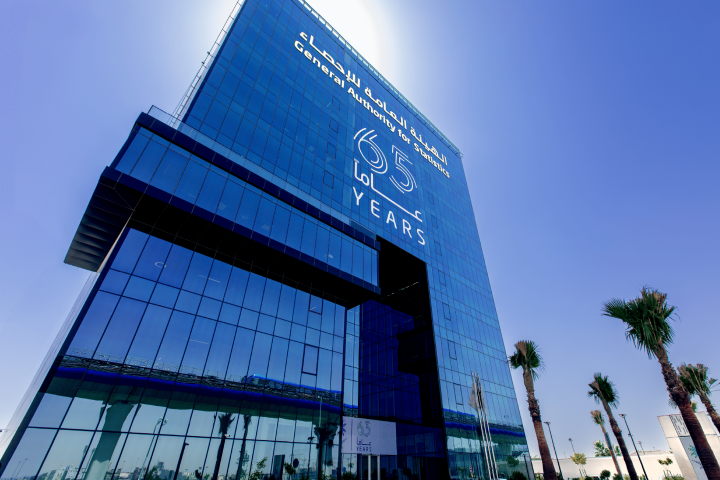



The Royal Commission for Riyadh City (RCRC) has launched the field data collection phase of its Household Demographic Survey, a large-scale program covering the city’s Saudi and non-Saudi residents that began on March 30 and will run through May 10, 2026. The initiative, undertaken in partnership with the General Authority for Statistics (GASTAT), represents a significant step toward building a comprehensive, up-to-date population database for one of the world’s fastest-growing capital cities.
Mapping a City in Motion
Riyadh is no ordinary metropolitan project. The city is home to millions of residents, a figure that continues to grow as Vision 2030 draws investment, talent and families to the capital from across Saudi Arabia and abroad. The Household Demographic Survey is designed to keep pace with that growth, collecting granular data across more than 217 neighborhoods within Riyadh’s 5,960 square-kilometer development protection zone.
The survey examines six core areas: demographic characteristics such as population distribution by gender, age, education and marital status; household composition, size and housing quality; social and economic conditions; housing characteristics and living standards; transportation and commuting patterns; and overall quality of life indicators. Together, these dimensions will give planners a detailed, evidence-based picture of who lives in Riyadh today, and what they need.
Data as the Foundation for Development
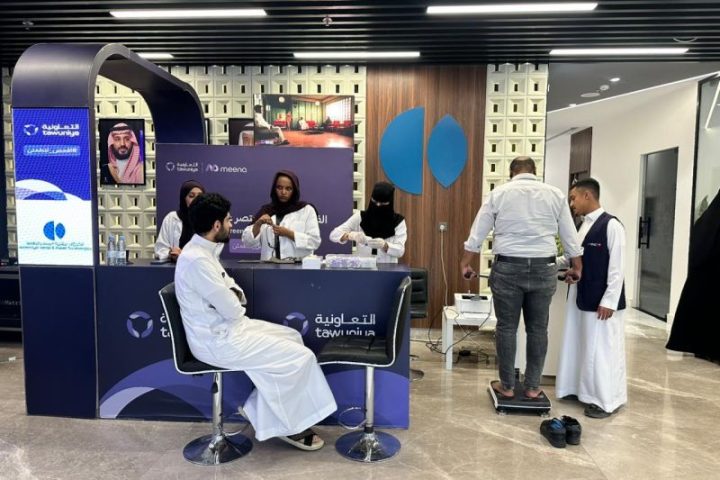
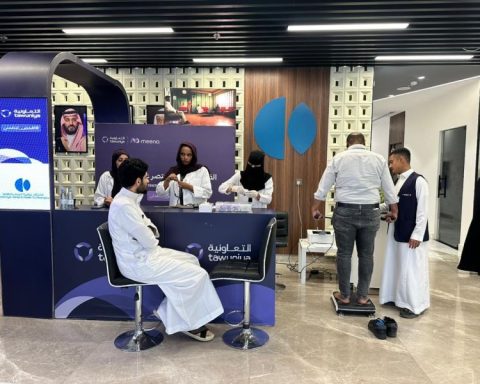
Field teams are conducting in-person interviews using an integrated digital platform that processes data in real time. The commission has stressed that not every household will be visited — the survey relies on a scientifically representative statistical sample to ensure accuracy across the entire population. All data collected is used exclusively for statistical and planning purposes and is subject to strict controls governing privacy, anonymity and the protection of personal information.
The RCRC confirmed that survey results will directly inform the commission’s strategic planning process, helping prioritize services and infrastructure projects based on accurate and current data. Riyadh’s development decisions — from where to build schools and hospitals to how to extend public transport networks — will be shaped by the evidence gathered during this survey window.
A Call for Community Participation
The commission has called on all families in the targeted neighborhoods — both Saudi and non-Saudi — to cooperate with field teams when approached. It emphasized that the quality of the data collected directly determines the quality of the services that flow from it: the more accurate the inputs, the more precisely the commission can address gaps in service distribution and plan future development across the capital’s expanse.