

Researchers at Northwestern University have successfully printed artificial neurons capable of forming functional connections with real human brain cells, according to findings published this week. The development represents a significant advance in the field of neural interfaces and bioelectronics, with potential implications for the treatment of neurological conditions and the long-term science of brain-computer integration.
The Technology Behind the Breakthrough
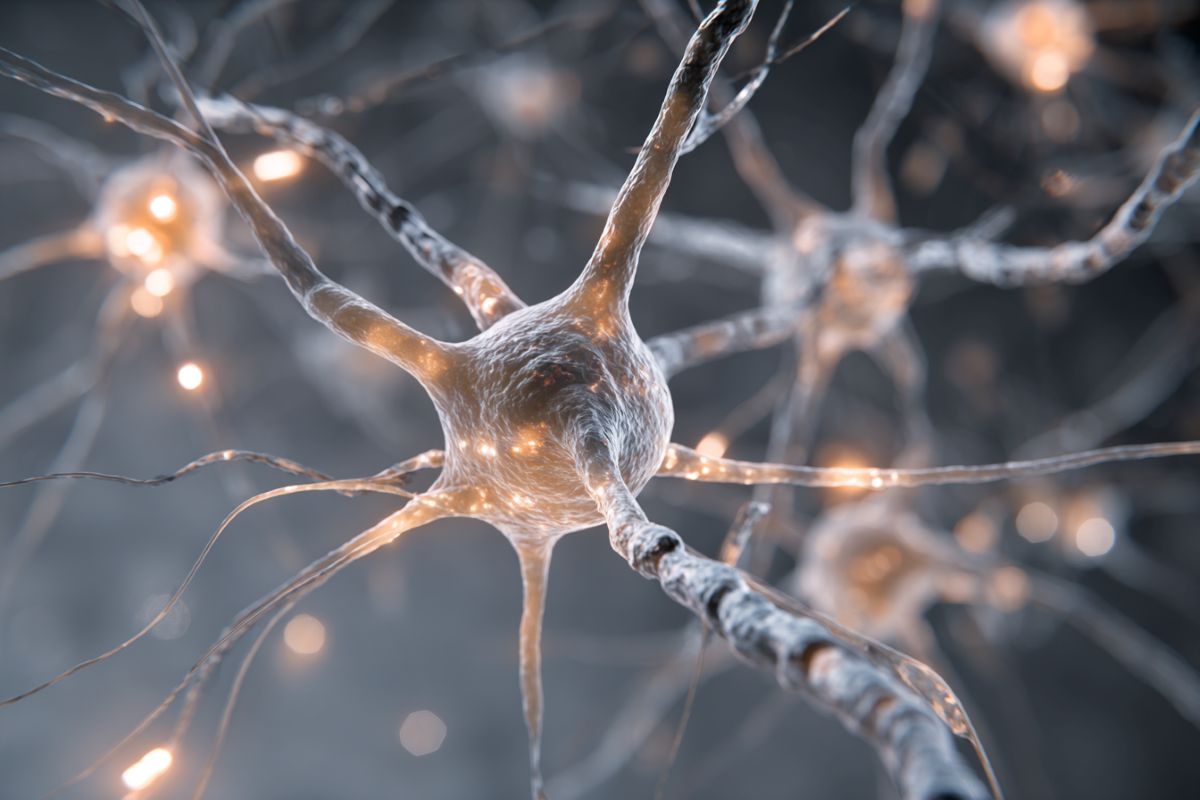
The artificial neurons were fabricated using a specialized bioprinting process that deposits conductive organic materials in patterns that mimic the architecture of biological neural networks. Unlike earlier generations of neural interface materials, which were primarily passive receivers of electrical signals, the printed neurons in Northwestern’s research are capable of bidirectional communication — both detecting and transmitting signals to adjacent biological cells.
Laboratory tests demonstrated that the printed structures could receive electrochemical signals from cultured human neurons and respond in ways that the biological cells interpreted as meaningful input. The interface was stable over multiple weeks of observation, which is a critical performance metric for any material intended for potential therapeutic or research use in living tissue. Earlier attempts at organic neural interfaces had often shown promising initial results that degraded quickly as the materials interacted with the biological environment.
The team used a combination of conducting polymers and biocompatible hydrogels to build structures that can flex with tissue movement and resist the immune responses that have historically caused implanted electronic interfaces to lose function over time. The printing process allows for customization at a resolution fine enough to target specific neural architectures, a level of precision that is not achievable with conventionally manufactured electrode arrays.
Potential Applications and What Comes Next
The researchers were careful to frame the work as a proof of concept rather than a ready clinical tool. Translating findings from cultured cell experiments to intact biological systems — let alone to human patients — involves a long road of further research, safety evaluation, and regulatory review. Nevertheless, the direction of the work points toward applications in prosthetic sensory restoration, treatment of conditions such as Parkinson’s disease and epilepsy, and eventually more sophisticated brain-computer interfaces for individuals with severe motor impairments.
The convergence of advanced materials science, bioprinting, and neuroscience represented in this research also has implications for the broader field of AI hardware. Neuromorphic computing — the design of AI processing systems that mimic the architecture and efficiency of biological brains — has long been a research goal, and the ability to print functional analogs of biological neurons is a step toward hybrid systems that could blend biological and electronic computation in novel ways.
The findings have been submitted for peer review and are drawing attention from research groups in neurotechnology centers globally, including institutions working on next-generation neural interfaces in Europe, Asia, and the United States.