

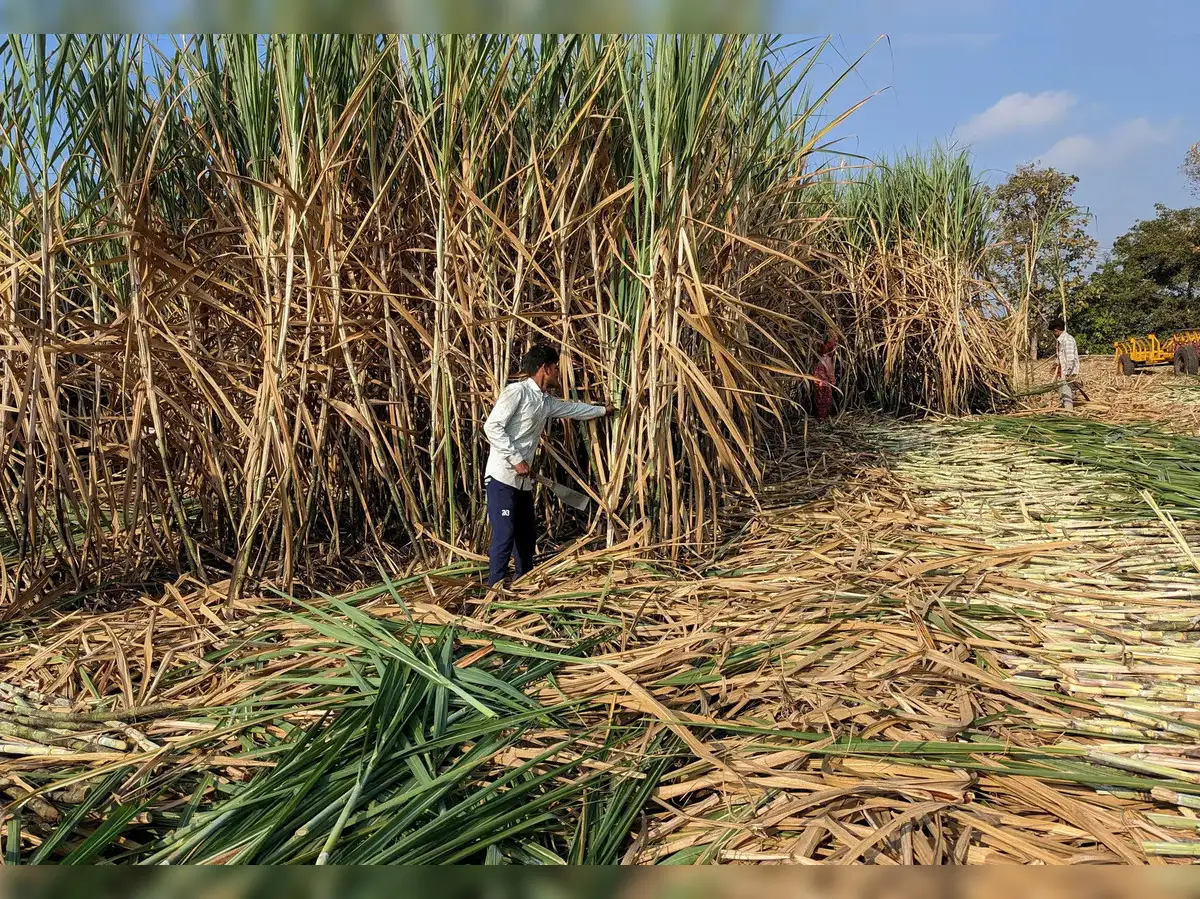
Farmers in the Najran region have increasingly turned to sugarcane cultivation, recognizing its strong adaptability to local agricultural conditions and its potential to deliver high economic returns. This shift reflects growing interest among farmers in crops that offer higher market value and better long-term profitability compared to traditional agricultural options.
Local farmers report that sugarcane has demonstrated excellent performance in Najran’s soil, particularly in areas supported by sufficient water resources and modern irrigation systems that help maximize productivity while reducing waste. The crop has also shown strong resilience to the region’s climate, with rapid growth rates and high yields during harvest seasons.
Sugarcane’s value extends far beyond being a simple crop; it serves as a raw material for a wide variety of products, including refined sugar, molasses, juices, and animal feed, as well as several industrial inputs. This versatility provides farmers with multiple marketing avenues, improving profit margins and enhancing the crop’s attractiveness as a sustainable agricultural investment.
Agricultural authorities in Najran anticipate further expansion of sugarcane farming in the coming years, particularly as the crop continues to prove its economic viability and meet growing local market demand. Ongoing efforts are focused on offering technical guidance, training programs, and advisory support to help farmers adopt best practices in cultivation, irrigation, and product marketing.
The successful adoption of sugarcane farming has also encouraged farmers in the region to explore other high-value crops, contributing to greater agricultural diversification within Najran. This expansion supports regional food security goals while providing farmers with sustainable income opportunities and strengthening the overall agricultural sector’s economic resilience.