

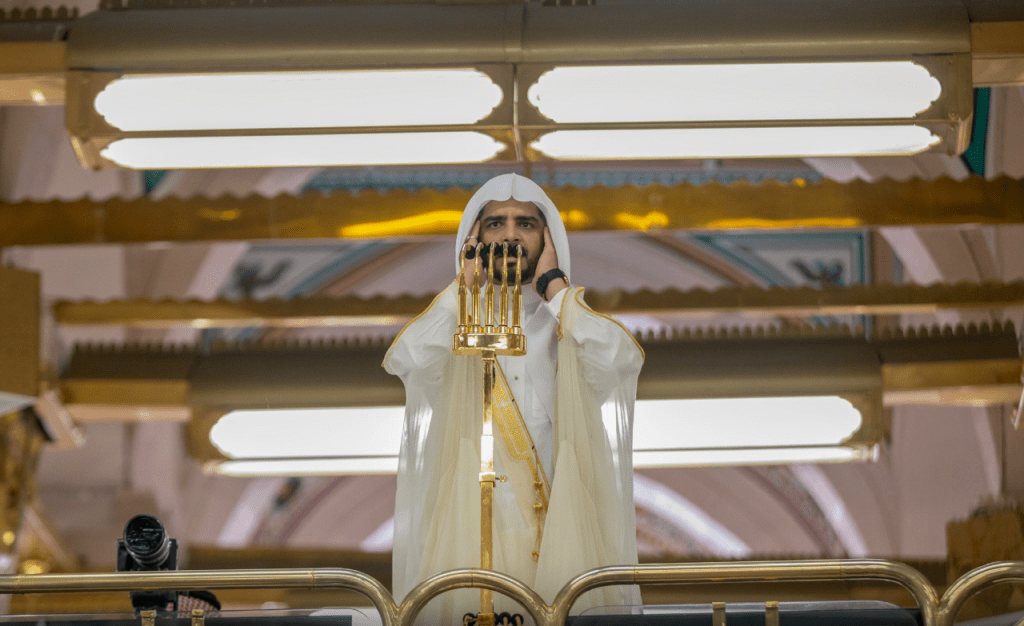
The Most Sacred Nights of Ramadan Begin
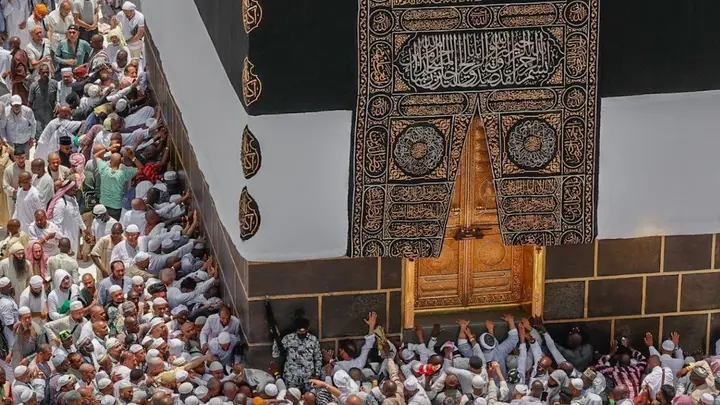
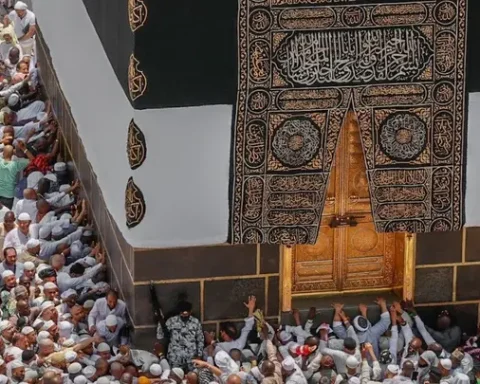
The last ten nights of Ramadan 1447 have officially begun, drawing millions of worshippers to the Grand Mosque in Makkah and the Prophet’s Mosque in Madinah for intensified prayers and spiritual reflection. These nights, which started on the evening of Monday, March 9, carry extraordinary significance for Muslims worldwide, as they encompass Laylat Al Qadr — the Night of Power — described in the Quran as being better than a thousand months.
Saudi Arabia’s General Presidency for the Affairs of the Two Holy Mosques has activated its full operational plan for this critical period, deploying thousands of additional staff, expanding prayer areas, and ensuring that every visitor can worship in comfort and safety. The Two Holy Mosques have seen a steady increase in worshippers throughout Ramadan, and authorities expect the final stretch to bring the largest congregations of the entire month.
Tahajjud and Taraweeh Prayers Draw Record Attendance
The nightly Taraweeh prayers, led by some of the most renowned Quran reciters in the Muslim world, have been a defining feature of Ramadan at both holy mosques. With the arrival of the last ten nights, an additional late-night prayer known as Tahajjud has been introduced, extending worship sessions deep into the early hours of the morning. Many worshippers choose to stay in the mosque from Isha through Fajr, immersing themselves in continuous prayer and supplication.
The atmosphere inside the Grand Mosque during these nights is unlike anything else in the Islamic calendar. Hundreds of thousands of worshippers fill every level of the mosque, their voices rising in unison during the standing prayers, while the open courtyards become extensions of the prayer halls to accommodate the extraordinary turnout.
I’tikaf and the Search for Laylat Al Qadr
Many devoted worshippers have entered a state of i’tikaf, a practice of spiritual seclusion within the mosque that traditionally spans the entire final ten days and nights of Ramadan. Those observing i’tikaf remain within the mosque premises, dedicating themselves entirely to worship, Quran recitation, and personal reflection.
The search for Laylat Al Qadr, which falls on one of the odd-numbered nights during this period, drives much of the spiritual energy. Saudi authorities have prepared the Two Holy Mosques to operate at full capacity around the clock, with enhanced cleaning services, expanded iftar and suhoor provisions, and medical teams stationed throughout the sacred precincts.
As Saudi Arabia enters the most spiritually charged phase of the holy month, the Kingdom reaffirms its role as the custodian of Islam’s holiest sites and a global destination for worship during Ramadan.