


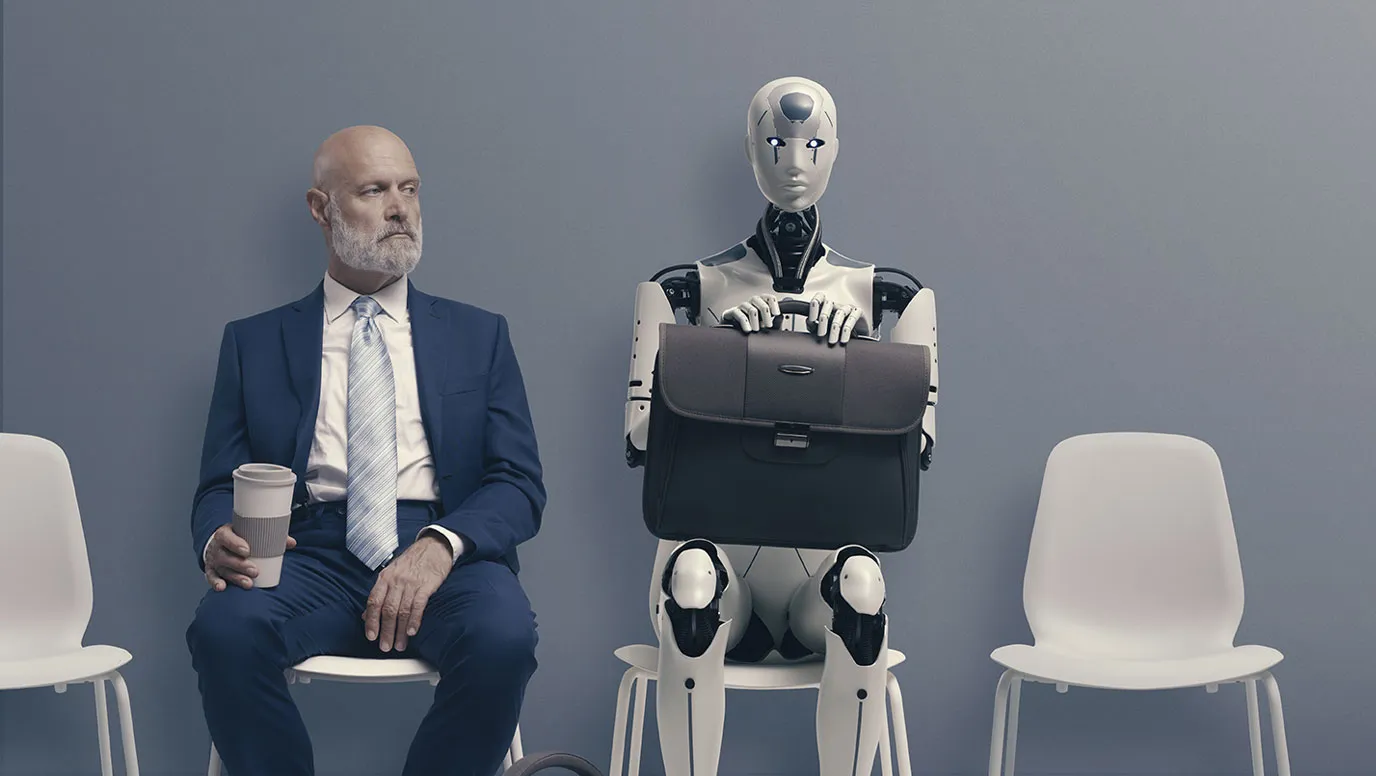
A growing number of managers and business leaders are reassessing their heavy reliance on artificial intelligence, following an initial wave of enthusiasm that positioned AI as a fast and efficient alternative to human labor. Recent trends suggest that many executives are experiencing what could be described as technology fatigue, prompting a renewed preference for human employees in key roles.
Business leaders cite several reasons behind this shift, most notably that while AI excels at repetitive tasks and data-driven analysis, it lacks human flexibility, creative intuition, and contextual understanding. Some managers have also observed that excessive dependence on automated systems can lead to less engaging workplace environments and weaker human connections with customers and teams.
Executives note that AI tools, once seen as groundbreaking, can lose their appeal when used extensively in daily decision-making—especially in areas that require judgment, emotional intelligence, and the ability to navigate unpredictable situations. As a result, many organizations are seeking to rebalance their approach, blending automation with human expertise rather than replacing it.
Management experts emphasize that this does not signal a retreat from AI adoption, but rather a strategic repositioning of its role. Instead of serving as a substitute for employees, AI is increasingly viewed as a support tool designed to enhance productivity and efficiency. The most successful companies, they argue, are those that deploy AI for technical and analytical functions while preserving human leadership in creativity, decision-making, and relationship-building.
This evolving perspective reflects a broader shift in modern workplace philosophy, where technological advancement is no longer an end in itself, but a means to improve performance without sacrificing the human dimension. The trend reinforces a growing consensus that human talent remains indispensable, even in an era dominated by algorithms and intelligent systems.