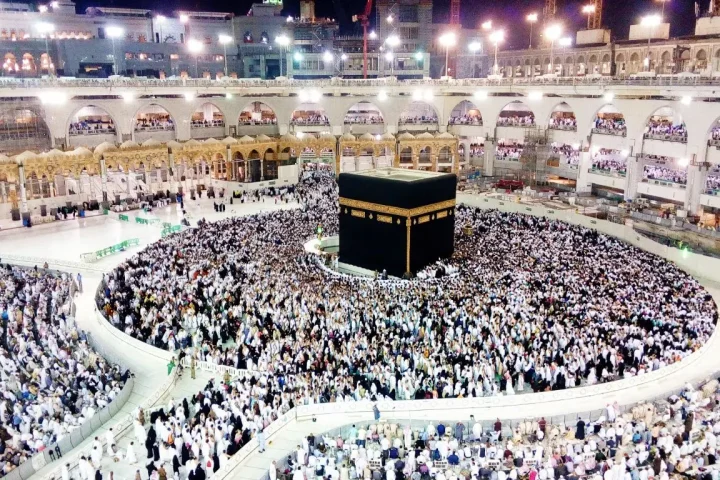


Every Ramadan, Saudi Arabia undergoes one of the most distinctive economic transformations in the region. Commerce does not pause during the holy month — it shifts almost entirely to the night. Between Taraweeh prayers and sahoor, commercial activity surges across the Kingdom’s major cities, with retail, dining and entertainment reaching their highest volumes well after midnight.
A Reversed Clock for Business
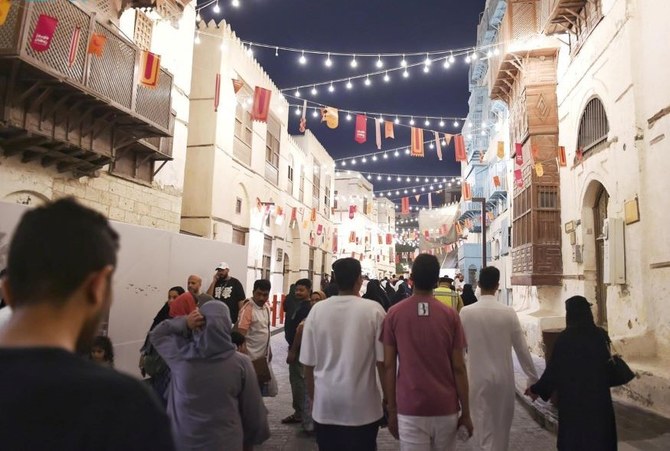
Across Riyadh, Jeddah and Dammam, streets that appear quiet before maghrib come alive rapidly after evening prayers. Shopping malls extend their operating hours deep into the night. Waterfront promenades remain buzzing past midnight. Ramadan markets, combining commerce with community gatherings, draw families and friends who treat the post-iftar hours as prime social time.
For food and beverage operators, the month represents their most important commercial season. Coffee shops, restaurants and food trucks report their highest footfall between 10 p.m. and 2 a.m. Food delivery platforms and e-commerce sites also see their strongest late-night activity as daily routines reorganize around fasting schedules.
“After Taraweeh is when our real day begins,” said Fahad Al-Qahtani, owner of a specialty coffee shop in Alkhobar. “From 10 p.m. to 2 a.m. we see more traffic than during an entire weekday outside Ramadan. Customers stay longer and treat it as social time.”
Seasonal Spending and Retail Strategy
Retailers structure their operations around this behavioral shift. Night shifts expand across the sector. Promotions are timed to coincide with post-prayer hours. Seasonal inventory — lanterns, sweets, decorative items and gift sets — dominates window displays throughout the month. Banks introduce special financing campaigns, clothing retailers launch seasonal collections and supermarkets compete aggressively on staple pricing with weekly Ramadan bundles.
Small businesses and seasonal vendors benefit particularly from the shift. Food trucks positioned near mosques and along corniche areas report peak demand close to midnight. Home-style food vendors say the demand reflects demographic changes in the Kingdom, with many residents living alone seeking meals that connect them to home.
A Vision 2030 Proof of Concept
The Ramadan night-time economy offers more than seasonal commerce. As Saudi Arabia expands mixed-use districts and extended-hour retail zones under Vision 2030, the holy month serves as a live demonstration of how flexible urban economies can operate beyond traditional business hours. Digital payment adoption rises, mobile transactions increase and consumer behavior data gathered during Ramadan informs year-round business planning.
In many countries, night-time economies are driven by entertainment or tourism. In Saudi Arabia during Ramadan, the engine is something more deeply rooted — a combination of spiritual rhythm, social tradition and commercial opportunity that creates one of the most vibrant nocturnal marketplaces in the world.