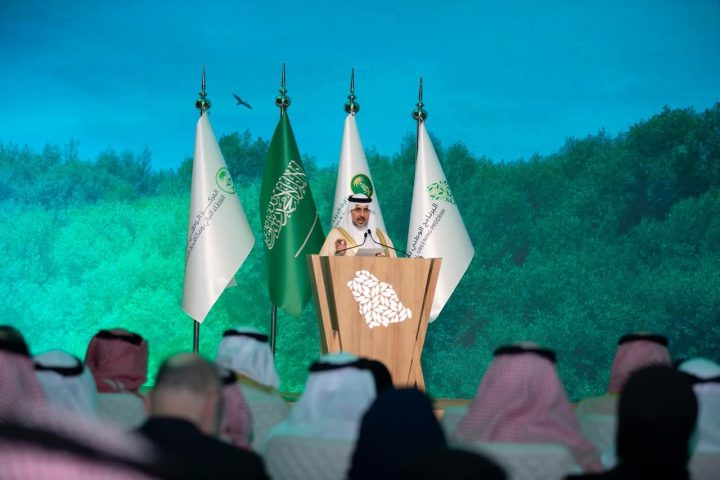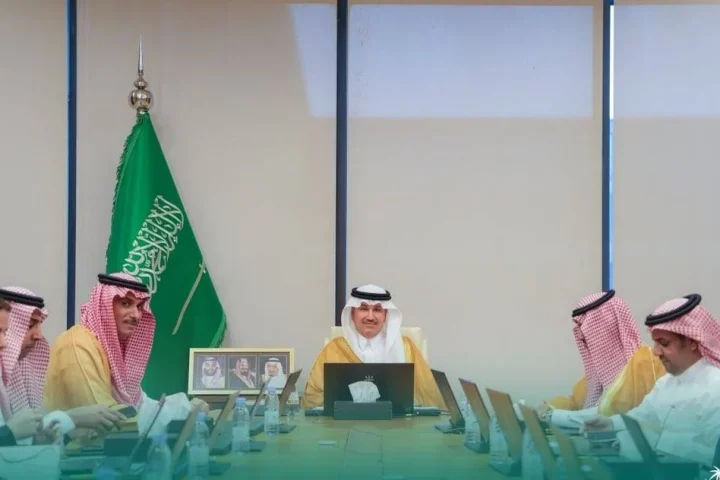


Here’s the thing about Saudi Arabia’s industrial transformation: it’s not just talk anymore. When Germany’s Federal Minister of Economy and Energy, Katherina Reiche, showed up at the Juffali Industrial Business Park in King Abdullah Economic City (KAEC) earlier this month, she wasn’t there for a photo op. She was there to witness the foundation stones of something genuinely significant.
Two Factories, One Bold Vision
The visit, which took place on February 2nd, marked a turning point in Saudi-German industrial ties. Liebherr — the Swiss-German heavyweight known for its construction machinery — laid the foundation stone for a brand-new factory that’ll churn out up to 1,000 concrete mixers annually. Right next to it? Juffali Industrial Products Company and National Automobile Industry placed the cornerstone for a facility designed to produce 6,000 trucks per year.
And here’s what makes this different from the usual “memorandum of understanding” announcements we’ve all grown tired of: both facilities will operate with 100 percent local assembly and manufacturing. Not partial. Not “some components.” The whole thing.
Why KAEC Matters More Than Ever
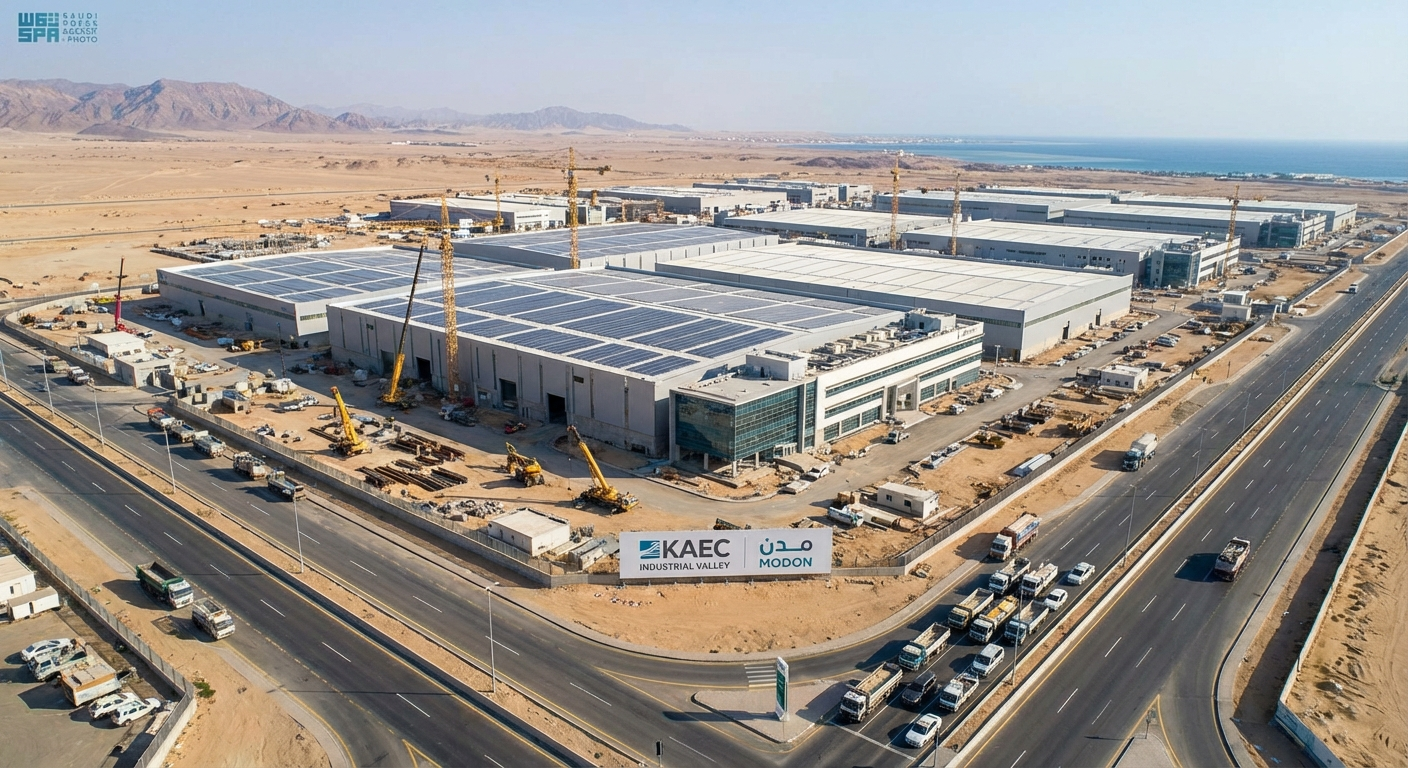
Spanning 400,000 square meters, the Juffali Industrial Business Park isn’t just another plot of land in the desert. It’s becoming a strategic platform for advanced manufacturing and industrial localization — exactly the kind of infrastructure Saudi Arabia needs to hit its Vision 2030 targets.
Khaled Juffali, chairman of the Juffali Group, didn’t mince words about it. He reaffirmed the company’s commitment to expanding international partnerships and contributing to the Kingdom’s economic diversification. It’s the kind of language you hear a lot in Saudi business circles, but when there’s a German federal minister standing next to actual construction equipment, it carries a different weight.
The Bigger Picture
Saudi Arabia has been aggressively courting European manufacturers for years now, and it’s starting to pay off. The Kingdom isn’t just importing trucks and mixers — it’s building the capacity to make them domestically. That means jobs, technology transfer, and a genuine industrial base that didn’t exist a decade ago.
For Germany, the appeal is obvious: access to one of the fastest-growing markets in the Middle East, plus a government that’s genuinely willing to invest in industrial infrastructure. For Saudi Arabia, it’s another step toward an economy that doesn’t live and die by oil prices.
Will these two factories alone transform the Kingdom’s industrial landscape? Probably not. But they’re exactly the kind of concrete (pun intended) progress that turns a vision into reality. And honestly? That’s more than most countries can say about their industrial strategies right now.