

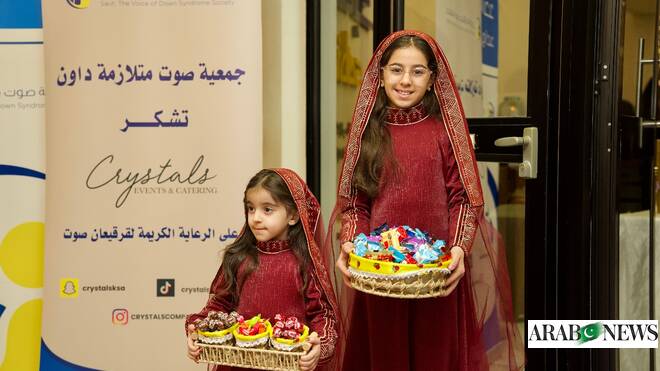
Streets across Saudi Arabia came alive this week as families celebrated Gargee’an, the cherished mid-Ramadan tradition in which children dress in colorful traditional clothing and go door to door collecting sweets and nuts from their neighbors. Observed on the 13th, 14th, and 15th nights of Ramadan, the festival remains one of the most anticipated cultural moments of the holy month, connecting generations through song, community, and shared joy.
A Tradition Rooted in Gulf Heritage
Gargee’an has deep roots in Gulf culture, with its origins stretching back centuries across the Arabian Peninsula. The name itself is believed to derive from the Arabic word for knocking or tapping, reflecting the sound of children’s hands on neighborhood doors as they make their rounds. In Saudi Arabia, the tradition is particularly vibrant in the Eastern Province, Riyadh, and Jeddah, where entire neighborhoods prepare bags of sweets, mixed nuts, and dried fruits to hand out to visiting children.
What makes Gargee’an distinctive is the sense of communal warmth it generates. Adults sit outside their homes or in their courtyards, greeting groups of children who arrive singing traditional Gargee’an songs. The children, many of them wearing thobes, dishdashas, or brightly colored dresses, carry fabric bags or decorated baskets that they fill as they move from house to house. It is a scene that evokes the best of Saudi hospitality and the Kingdom’s deep attachment to its cultural heritage.
Jeddah’s Gargee’an Festival Draws Thousands
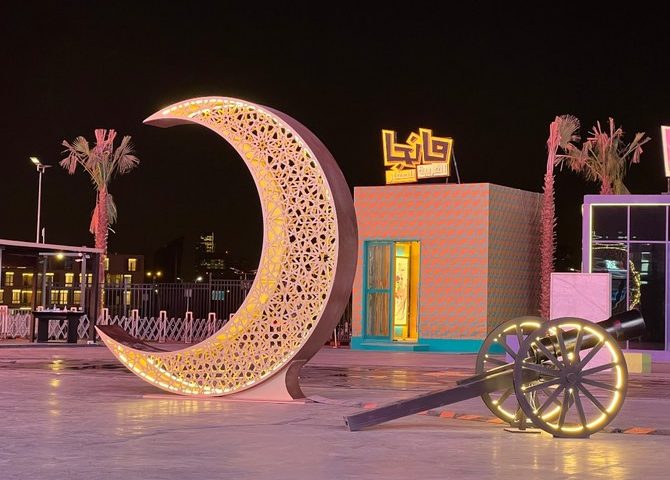
In Jeddah, the Gargee’an Festival 2026 was held at Noon Stadium in the Al-Zahraa District on Ramadan 10, corresponding to March 4. The event drew thousands of families and featured organized activities for children, live entertainment, and large-scale sweet distribution. Organizers transformed the venue into a celebration of Saudi tradition, with decorations inspired by heritage motifs and stages for children’s performances.
Similar events took place across the Kingdom, with malls, cultural centers, and community organizations hosting their own Gargee’an gatherings. Supermarkets and confectionery shops reported brisk sales in the days leading up to the celebration, with many offering specially packaged Gargee’an assortments that have become popular gifts.
Preserving Tradition in a Modern Kingdom
The enduring popularity of Gargee’an reflects a broader cultural trend in Saudi Arabia, where traditional celebrations are being actively preserved and promoted even as the Kingdom undergoes rapid modernization. The Ministry of Culture has recognized Gargee’an as part of the Kingdom’s intangible cultural heritage, and efforts to document and support the tradition have increased in recent years.
For many Saudi families, Gargee’an is more than a festive evening. It is a way of teaching children about generosity, neighborliness, and the social bonds that define Ramadan. In a country that is building futuristic cities and hosting global sporting events, the sight of children knocking on doors for sweets is a reminder that some traditions need no reinvention. They simply endure because they matter.