

By Abeer Abdalla | The Saudi Times
By the second morning of the Future Investment Initiative (FII9), the tone inside the King Abdulaziz International Conference Center had unmistakably shifted. The first day was about vision; the second was about velocity. What began as a showcase of Saudi ambition evolved into a masterclass in authorship, the moment the Kingdom stopped being a stage for the future and started scripting it.
The theme across every major panel, from energy demand to AI and family offices, was unmistakable: Saudi Arabia is no longer just attracting investment; it is orchestrating a new kind of global architecture. A striking point emerged during discussions on the tension between the rise of AI and energy consumption. According to the International Energy Agency, global data centers are projected to potentially match Sweden’s entire electricity usage in the near future. The question shaping every conversation was not what the future will be, but who will define it.
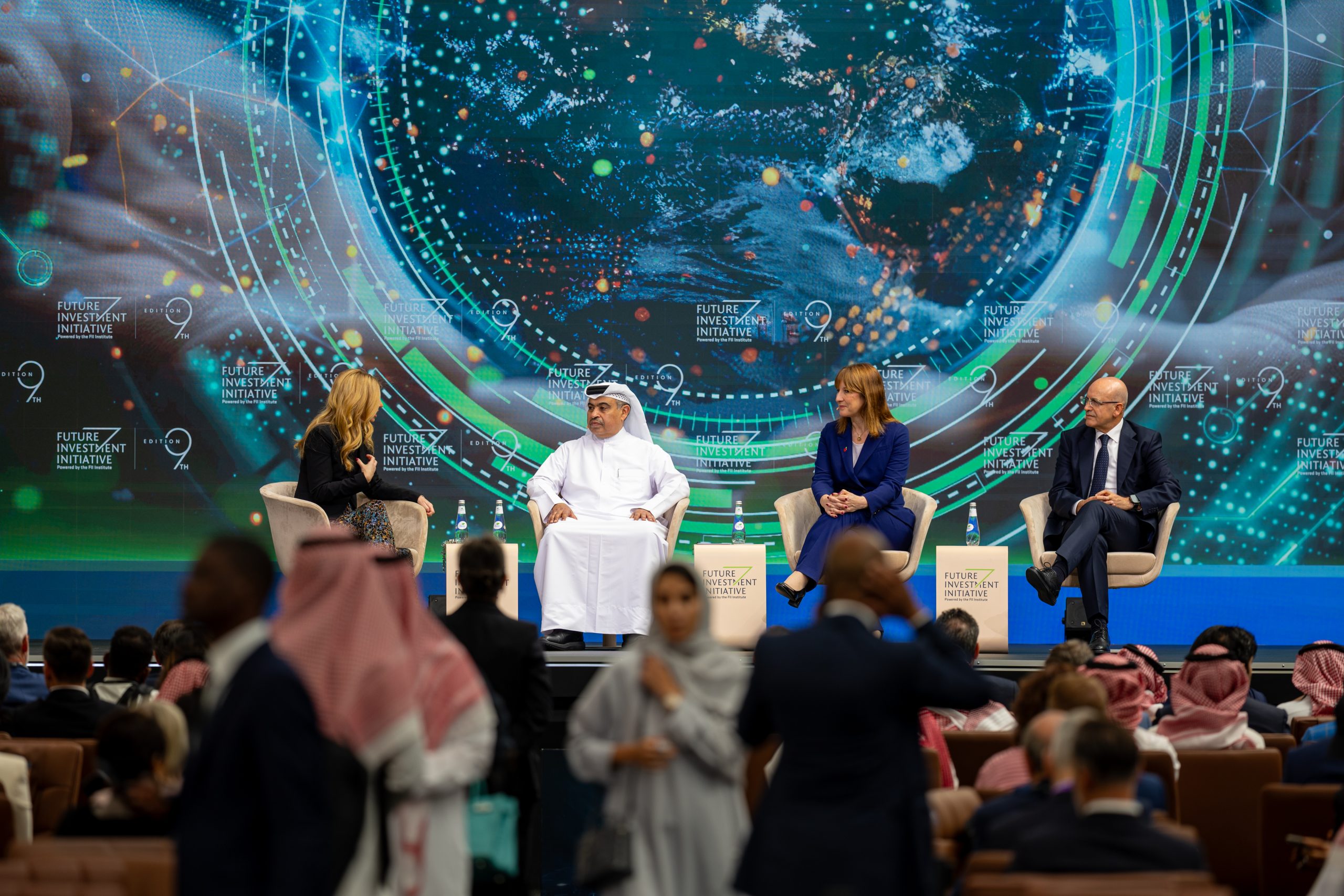
In the session “What Will Determine the Future of Energy Demand?” executives from Aramco and GIP underscored the collision between AI’s power appetite and the energy transition. As data centers and AI training models surge, so too does the need for stable, intelligent energy infrastructure, a space where Saudi Arabia’s hybrid strategy of gas, renewables, and innovation is now setting a global precedent. The $11 billion Jafurah leaseback deal announced earlier in the week suddenly felt like a precursor to a larger play: transforming the Kingdom from an oil exporter to an energy intelligence exporter. This transaction is deeply aligned with a broader sustainable growth narrative, supporting decarbonization goals that not only focus on immediate revenue but also resonate with global methane-reduction targets. By reducing methane emissions and prioritizing cleaner energy solutions, Saudi Arabia is reinforcing its commitment to becoming a leader in energy intelligence, setting foresightful benchmarks for other nations aiming for sustainable growth.
Later in the morning, an invite-only breakfast titled “How Can Saudi Arabia Take the Next Leap from Emerging Player to Global Leader in Critical Technologies?” drew quiet attention among delegates. With Public Investment Fund executives meeting tech founders and robotics firms behind closed doors, the focus was unmistakably on creation, not consumption. Aramco executives previewed new AI-driven predictive maintenance systems, anticipated to reduce downtime by up to 90% within the next three years. This promise of efficiency signals a disruptive timeline where technological advances are accelerating operational capabilities rapidly. In addition, NEOM showcased cognitive logistics software designed to optimize Oxagon’s green port operations.
If Day 1 was about signaling openness, Day 2 was about setting ownership. The conversation around family offices “Is the Middle East Becoming the Next Global Family Office Hub?” pointed to a structural rebalancing of capital geography. Riyadh is fast becoming a command center for generational wealth and deal flow, offering the rare combination of liquidity, political stability, and long-horizon confidence that global markets now crave. To illustrate, consider a fictional deal where Gulf liquidity seeds a promising European biotech startup. Investors from Riyadh initiate a funding round, which bolsters the startup’s research and development phase. As the biotech progresses, additional funding rounds are secured, leading to enhanced product development and market entry. Eventually, the startup achieves a successful IPO on a major global stock exchange, demonstrating how Riyadh’s strategic investments can catalyze innovation and growth beyond its borders.
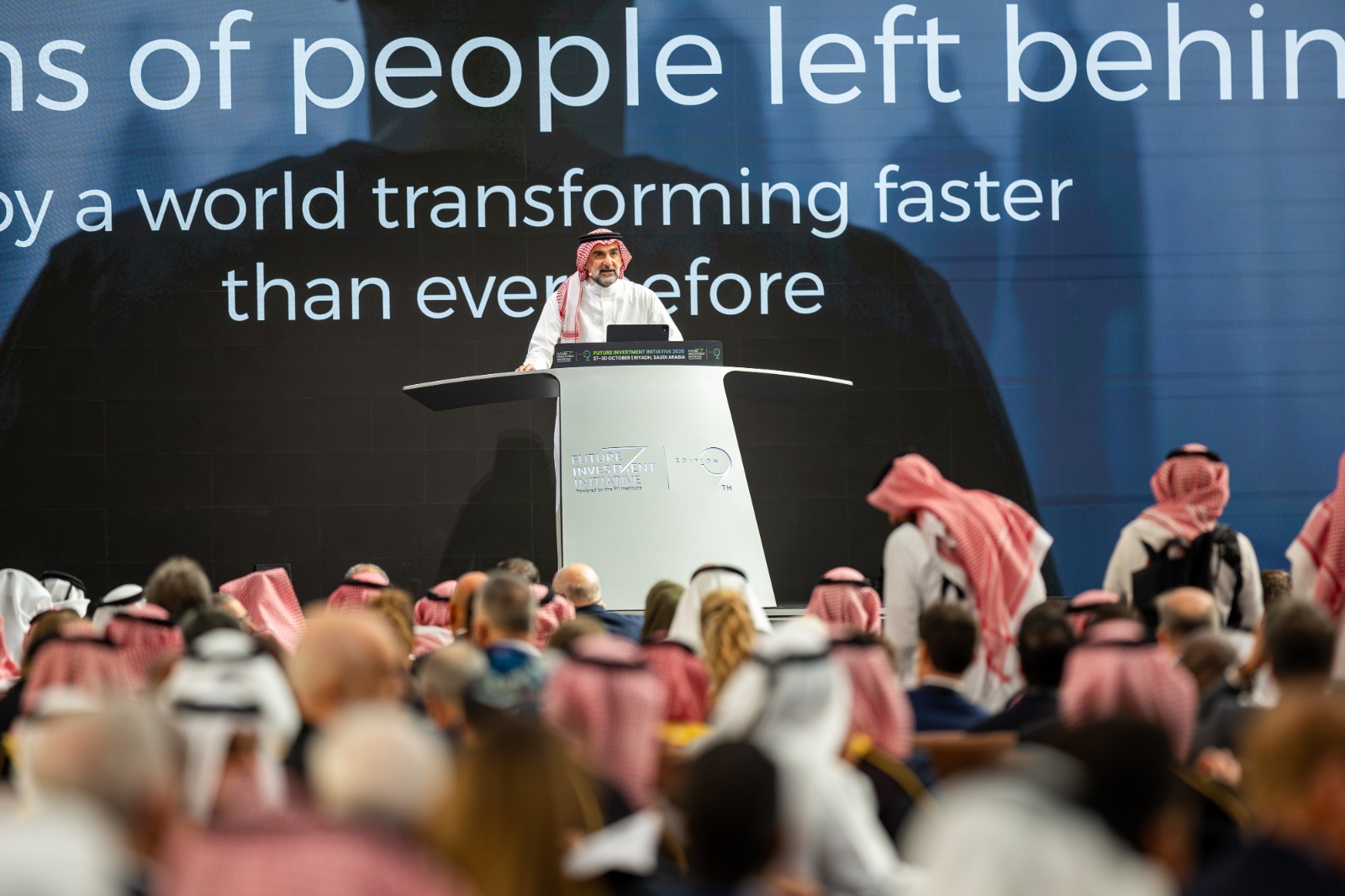
But perhaps the most defining current of Day 2 was cultural. Gone was the undertone of seeking validation. In its place was the assertive confidence of a nation moving from transformation to translation, turning policy into platforms and investment into ecosystems. This shift is exemplified by Riyadh’s embrace of an open-innovation sprint with foreign startups, where the city’s role as an operating system becomes tangible. By hosting these collaborative events, Saudi Arabia leverages its cognitive surplus to turn confidence into collective creation, fostering a fertile ground for shared breakthroughs and mutual advancement.
As one European investor noted between panels, ‘Riyadh no longer feels like a host city, it feels like an operating system.’
Eight years into Vision 2030, the Kingdom’s momentum is no longer about proving possibility. It is about defining the pace not just to participate, but to set the terms of engagement. Yet, as we look to the future, there is a compelling call for collaboration. Saudi Arabia invites global partners to join in co-authoring the next chapter, fostering an era of inclusive leadership and shared stewardship. By aligning Vision 2030 with the principles of sustainable development and mutual benefit, we can build a future that is not only anticipated but actively created together.
The future isn’t waiting to be invited. It is already being uploaded here.