


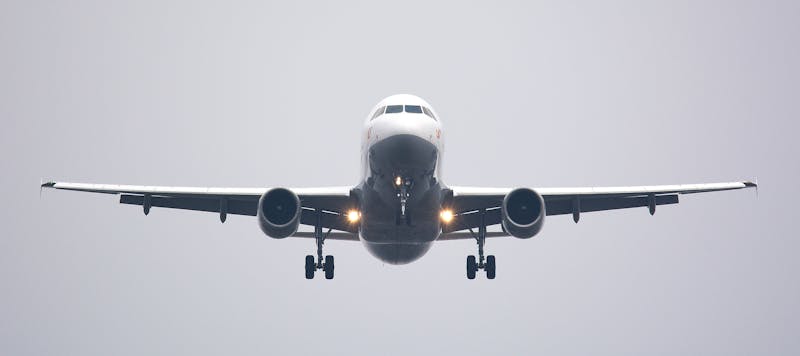
Saudi low-cost carrier flynas is charting an ambitious course of growth that is reshaping its position in regional aviation. The airline recently secured environmental sustainability and quality certifications from the International Organization for Standardization, while simultaneously unveiling plans for a groundbreaking joint venture with Syria’s General Authority of Civil Aviation to establish a new airline called flynas Syria.
International Recognition for Sustainability Leadership
The ISO certifications mark a significant milestone in flynas’s journey toward becoming one of the region’s most environmentally responsible carriers. The airline has achieved measurable reductions in carbon dioxide emissions through fleet modernization and operational efficiency improvements, placing it at the forefront of sustainable aviation practices in the Middle East.
These credentials align with Saudi Arabia’s broader sustainability ambitions under Vision 2030, which has set ambitious targets for reducing the environmental footprint of the Kingdom’s rapidly expanding transportation sector. For flynas, the certifications represent both a competitive advantage and a statement of intent as the airline scales its operations across new markets.
Flynas Syria: A Strategic Saudi-Syrian Partnership
Perhaps the most striking development is the announcement of flynas Syria, a joint venture that will operate as a low-cost carrier connecting Saudi and Syrian cities. The project emerges from a broader set of economic agreements aimed at strengthening bilateral ties and capitalizing on opportunities in the air transport sector as Syria’s economy enters a new chapter.
The venture reflects Saudi Arabia’s growing role as a catalyst for regional economic development, leveraging its aviation expertise and market reach to open new corridors for trade and tourism. For flynas, it represents an opportunity to plant its flag in a market with significant untapped potential.
Network Expansion and Infrastructure Upgrades
The airline’s expansion extends beyond the Syrian venture. Flynas recently announced direct flights to Rabat, Morocco’s capital, strengthening its network across North Africa. The carrier is also part of the first phase of terminal relocations at King Khalid International Airport in Riyadh, where Terminals 1 and 2 have been dedicated exclusively to international flights operated by Saudi Arabian Airlines, Riyadh Air, flynas, and flyadeal.
This infrastructure upgrade, which began on February 16, is designed to accommodate growing passenger volumes and improve the travel experience ahead of the Umrah season and beyond. It signals the scale of investment flowing into Saudi Arabia’s aviation ecosystem as the Kingdom positions itself as a global air transport hub under Vision 2030.