

Al-Aan Palace stands as one of the most prominent historical landmarks in Najran, perched atop an elevated hill overlooking lush palm groves, offering a striking blend of natural beauty and traditional southern architecture.
Constructed using local materials such as mud and stone, the palace reflects the region’s architectural identity, featuring defensive towers and narrow corridors that were historically used for surveillance and protection. This design showcases how traditional structures were built to withstand harsh environmental conditions while serving functional and strategic purposes.
Historically, the palace served as an administrative and governance center, making it a significant symbol of Najran’s political and social development. It also highlights the region’s role as an important cultural and التجاري hub throughout different historical periods.
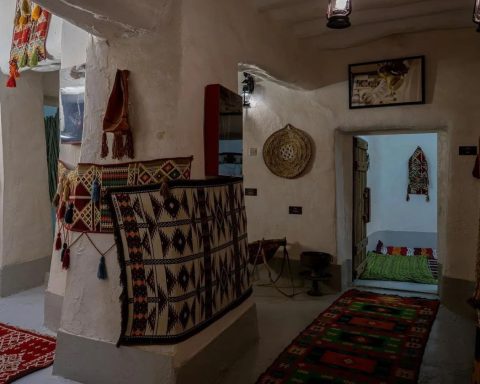
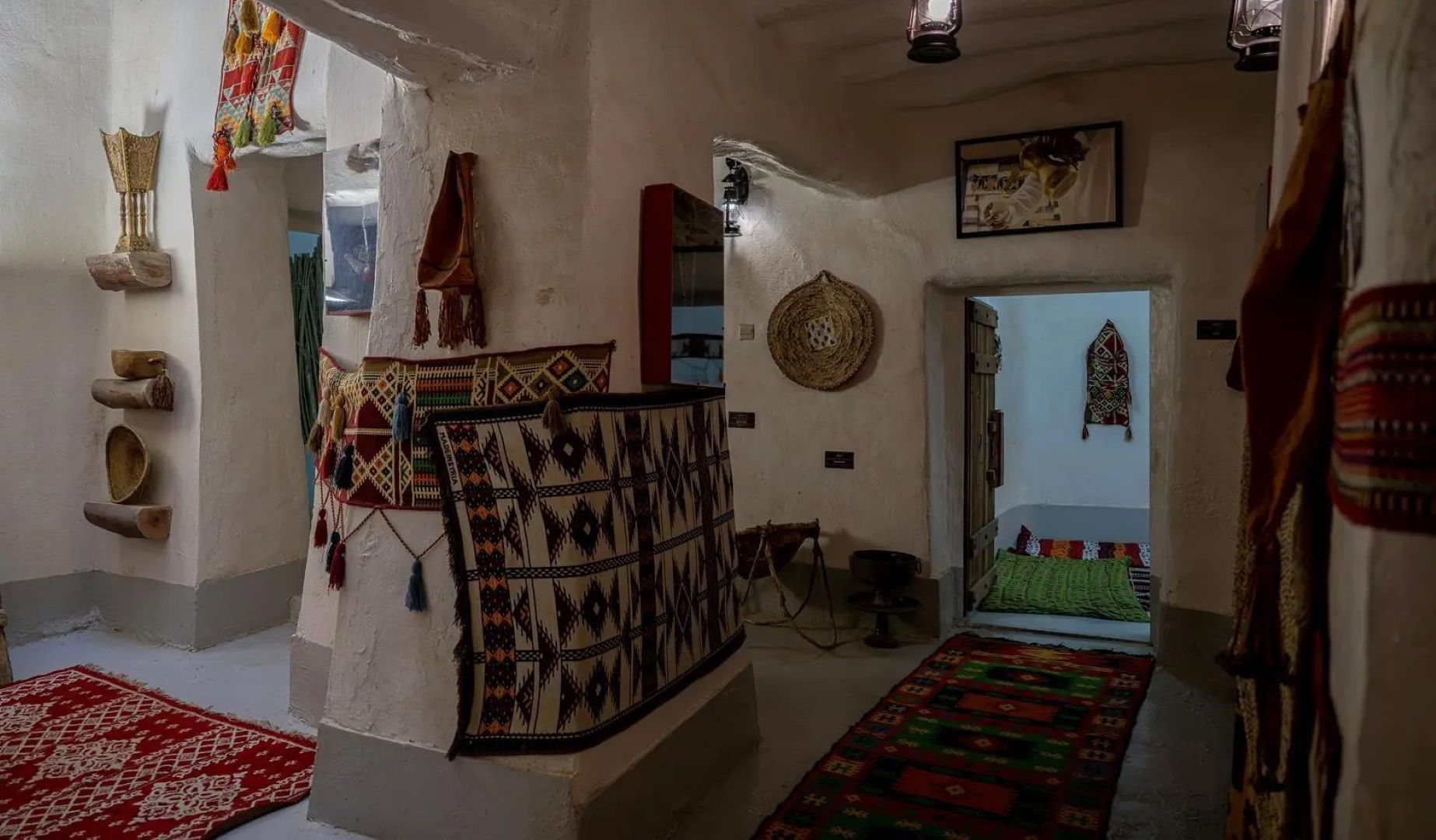
Today, Al-Aan Palace has evolved into a major cultural and tourist attraction, drawing visitors with its panoramic views, historical significance, and authentic atmosphere. The site has become a popular destination for photography, exploration, and cultural events that celebrate the region’s heritage.
Ongoing restoration and preservation efforts ensure that the palace maintains its original character while meeting modern standards for tourism and accessibility. These initiatives align with Saudi Arabia’s broader vision to promote cultural tourism and showcase its rich and diverse heritage under Vision 2030.
Al-Aan Palace stands as a powerful example of how heritage sites can be revitalized to support tourism, strengthen cultural identity, and contribute to sustainable economic development.
For posting across social media platforms: