

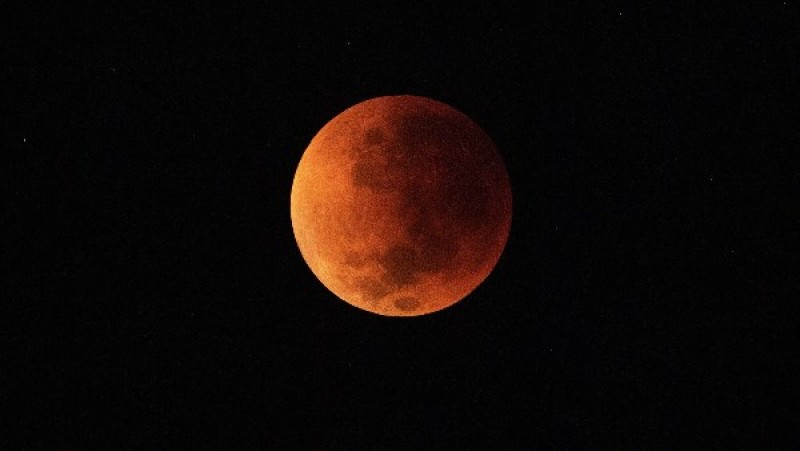
Skywatchers across Saudi Arabia are preparing for a rare astronomical spectacle as the Kingdom gears up to witness a total lunar eclipse on March 3, 2026. The event, which will produce the dramatic visual phenomenon known as the blood moon, marks the first total lunar eclipse of the year and will not occur again until 2029.
What Is a Blood Moon and When to Watch
A blood moon occurs during a total lunar eclipse when Earth passes directly between the sun and the moon, casting its shadow across the lunar surface. Rather than disappearing entirely, the moon takes on a deep reddish hue as sunlight filters through Earth’s atmosphere, scattering shorter blue wavelengths and allowing longer red wavelengths to reach the moon.
The eclipse will be visible across large parts of the globe, including Saudi Arabia, where observers will be able to watch the event with the naked eye. No special equipment is required, though binoculars and telescopes will enhance the experience. The total phase of the eclipse is expected to last approximately 60 minutes, with the entire event spanning several hours from the first penumbral contact to the final stages.
A Growing Interest in Astronomy Across the Kingdom
The event comes at a time of expanding interest in space science and astronomy within Saudi Arabia. The Kingdom has made significant strides in its space program, with the Saudi Space Agency advancing multiple initiatives aligned with Vision 2030. From satellite development to astronaut missions, Saudi Arabia has positioned itself as a serious player in the global space community.
Astronomy enthusiasts and amateur stargazers across the Kingdom have been sharing observation plans on social media, with the event trending on search platforms in Saudi Arabia. Several astronomy clubs and educational institutions are expected to organize public viewing events in cities including Riyadh, Jeddah, and Al Ula, which has emerged as a premier destination for astrotourism due to its minimal light pollution and stunning desert landscapes.
The Significance During Ramadan
The lunar eclipse falls during the holy month of Ramadan, adding a spiritual dimension to the celestial event. In Islamic tradition, eclipses hold particular significance, with the Prophet Muhammad having performed a special eclipse prayer known as Salat al-Kusuf. However, scholars have noted that the eclipse prayer is traditionally linked to solar eclipses or lunar eclipses that are visible to the naked eye at the time of occurrence, and the specific timing will determine whether congregational prayers are held at mosques across the Kingdom.
For Saudi residents, March 3 presents an exceptional opportunity to witness one of nature’s most awe-inspiring displays. With clear desert skies and favorable viewing conditions expected across much of the Kingdom, the 2026 blood moon promises to be an unforgettable experience for millions of observers.