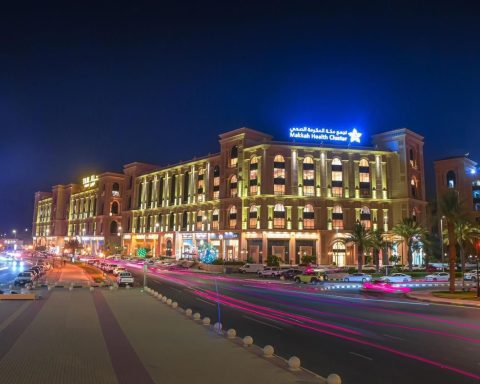


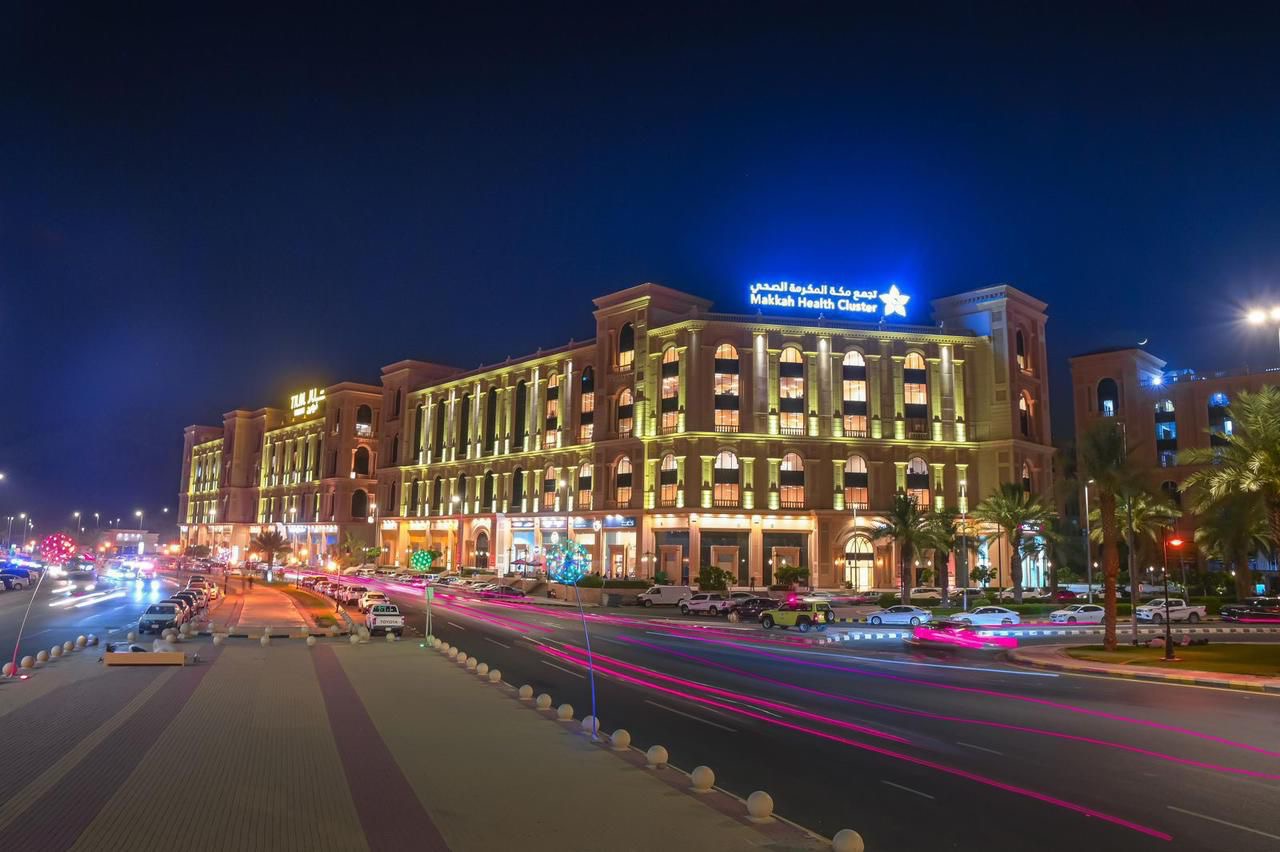
As the holy month of Ramadan begins across Saudi Arabia, the Makkah Health Cluster has announced the full operational readiness of 92 hospitals and health centers to serve millions of worshippers and residents throughout the blessed month. The comprehensive healthcare mobilization, encompassing 10 hospitals and 82 primary health centers, reflects the Kingdom’s unwavering commitment to safeguarding public health during one of the busiest periods of the year.
Round-the-Clock Emergency Services at the Grand Mosque
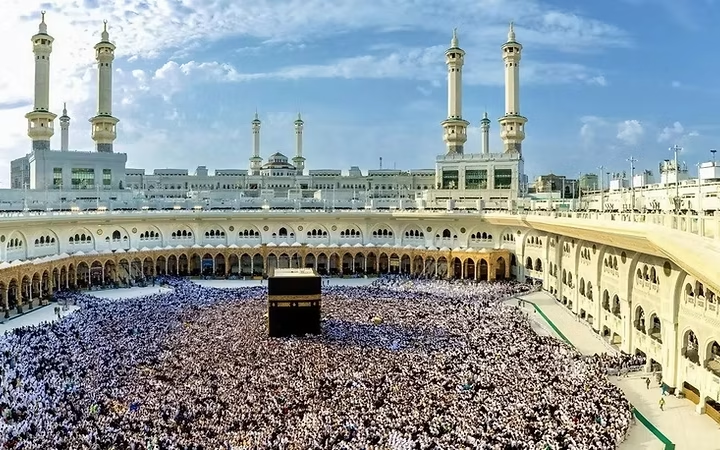
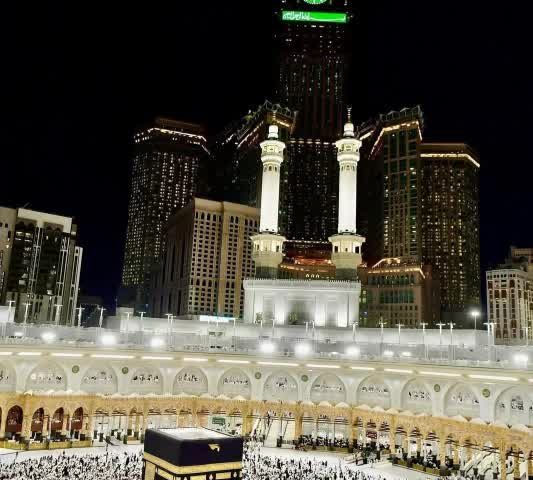
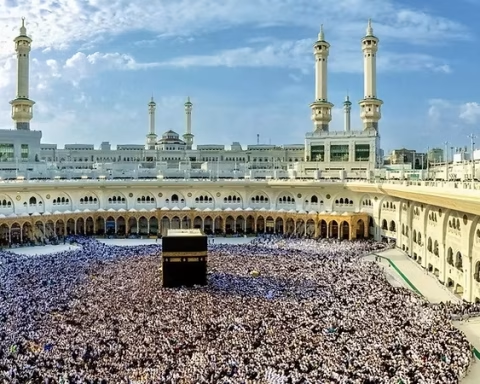
At the heart of the operation lies the Grand Mosque Hospital, a state-of-the-art facility located near King Abdullah Gate, which continues to provide 24-hour emergency medical care to visitors and worshippers. Three additional emergency centers strategically distributed throughout the mosque complex ensure that no pilgrim is far from medical assistance at any time of day or night. The hospital’s proximity to the Holy Mosque makes it a critical first response point for the hundreds of thousands who gather daily for prayers during Ramadan.
Mobile Clinics Bring Healthcare to the Streets
In a move that underscores the Ministry of Health’s proactive approach, the Makkah Health Cluster has deployed five mobile clinics staffed with specialized medical personnel in the central area and at the main entrance to Makkah. These units are designed to provide primary healthcare services directly to visitors of the Grand Mosque, reducing the burden on hospitals and ensuring swift medical attention for minor conditions before they escalate.
A Flexible Operational Plan Built for Peak Demand
Hospitals and health centers across the cluster are now operating under a flexible four-shift system, with each shift spanning six hours, to maintain continuous high-quality care throughout the day and night. The plan accounts for the unique patterns of Ramadan, when foot traffic near the Two Holy Mosques surges dramatically during nighttime prayers. Emergency departments have been reinforced with additional hospital beds, renovated intensive care units, and fully equipped emergency clinics that meet Ministry of Health standards. Isolation rooms have also been prepared to handle cases requiring quarantine.
Coordinated Critical Care Across Major Hospitals
For the most serious medical emergencies, King Abdullah Medical City serves as the primary referral center for heart attacks and strokes, operating under international treatment protocols. Supporting institutions including Al-Noor Specialist Hospital, King Faisal Specialist Hospital, and King Abdulaziz Medical City stand ready to absorb overflow and provide specialized care. A seamless patient transfer system between facilities ensures that critical cases receive the right treatment in the shortest possible time.
The executive management of the Makkah Health Cluster has affirmed that healthcare services will be continuously monitored throughout Ramadan to meet the aspirations of pilgrims and residents alike. The deployment represents one of the largest healthcare mobilizations for any single religious season worldwide, and speaks to Saudi Arabia’s growing capacity to manage mass gatherings with world-class medical infrastructure.