

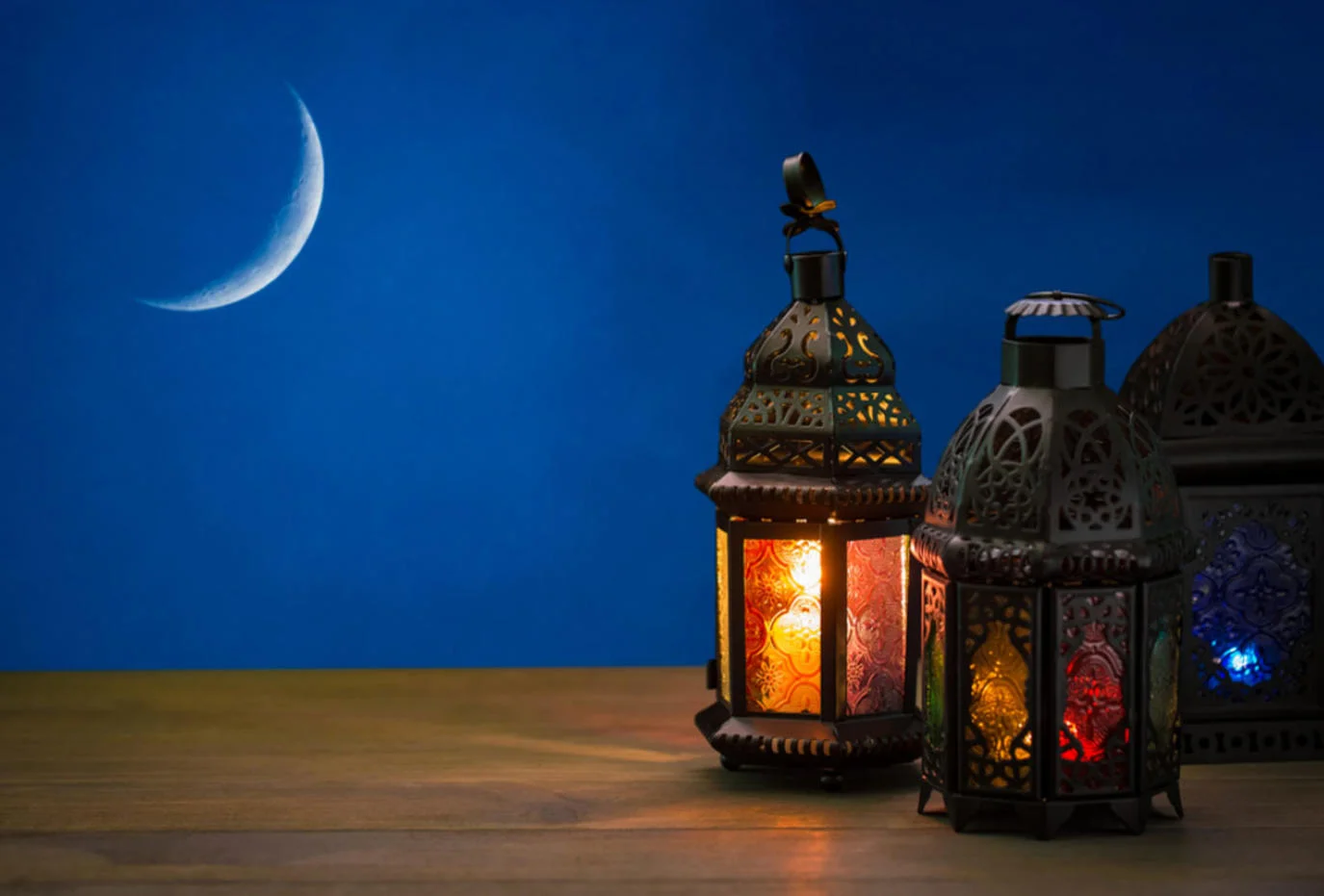
As the Islamic world holds its breath in anticipation, Saudi Arabia’s Supreme Court has officially called upon Muslims across the Kingdom to search the skies for the crescent moon on the evening of Tuesday, February 17, 2026. The sighting will determine whether the blessed month of Ramadan begins on Wednesday, February 18, or Thursday, February 19 — a decision that carries enormous spiritual and cultural weight for more than two billion Muslims worldwide.
The announcement, carried by the Saudi Press Agency, follows the Kingdom’s longstanding tradition of combining astronomical science with traditional naked-eye observation, a practice that places Saudi Arabia at the center of the global Ramadan calendar each year.
When Will Ramadan 2026 Begin in Saudi Arabia?
According to the Umm Al-Qura calendar — the Kingdom’s official civil calendar based on astronomical calculations — the first day of Ramadan 1447 AH is projected to fall on Thursday, February 19. Leading astronomers across the region have noted that the crescent moon will be extremely difficult, if not impossible, to observe with the naked eye on Tuesday evening, making a Wednesday start unlikely.
However, Saudi Arabia’s moon-sighting process does not rely on calculations alone. The Supreme Court convenes testimony from observers stationed across the Kingdom, from the mountainous Asir region to the open deserts of the north. If credible sightings are confirmed, Ramadan could still be declared a day earlier. The Kingdom’s decision typically sets the tone for much of the Gulf and broader Sunni Muslim world.
A Nation in Full Preparation
Regardless of whether the first fast falls on Wednesday or Thursday, Saudi Arabia is already deep into its Ramadan preparations. Supermarkets from Riyadh to Jeddah have stocked their shelves with dates, laban, and traditional Ramadan staples. Mosques across the Kingdom are being cleaned and illuminated, with extended Taraweeh prayer schedules already posted at the entrances of the Two Holy Mosques in Makkah and Madinah.
The General Presidency for the Affairs of the Grand Mosque and the Prophet’s Mosque has announced enhanced services for worshippers, including expanded iftar areas, additional water stations, and a significant increase in staff and volunteers. The Kingdom expects millions of visitors during the holy month, a figure that has grown steadily under Vision 2030’s push to elevate Saudi Arabia as a year-round destination for spiritual tourism.
Charitable organizations have also ramped up operations. The Saudi Food Bank and numerous private foundations are coordinating massive iftar distribution campaigns targeting low-income communities and migrant workers — a reflection of the spirit of generosity that defines the month.
The Significance Beyond the Sighting
For Saudi Arabia, the moon sighting is more than an astronomical event. It is a moment of national unity that connects the modern Kingdom to centuries of Islamic tradition. Crown Prince Mohammed bin Salman’s Vision 2030 has made hospitality during Ramadan a strategic priority, with ambitious targets for the number of Umrah pilgrims and visitors welcomed during the holy month.
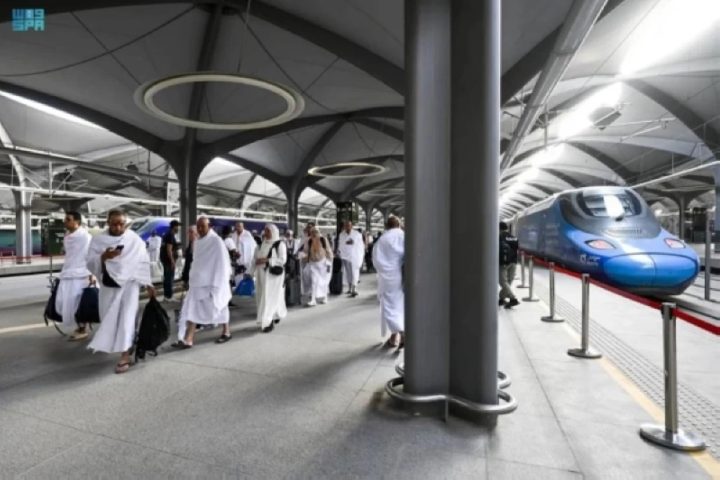
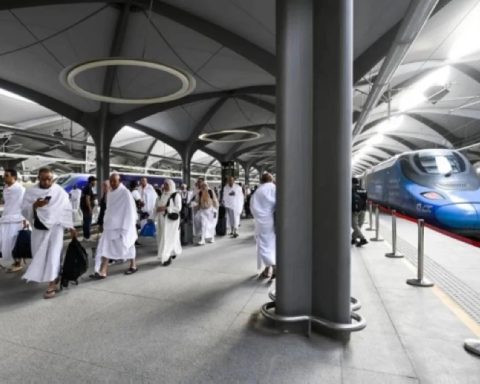
The Kingdom’s investment in infrastructure — from the Haramain High-Speed Railway connecting Makkah and Madinah to new hotel developments surrounding the Grand Mosque — has transformed the Ramadan experience for both residents and visitors alike.
As Saudi families gather tonight to scan the western horizon after Maghrib, the moment will carry the same quiet reverence it has for generations. Whether the crescent reveals itself tonight or tomorrow, the Kingdom stands ready to welcome Ramadan with open arms.