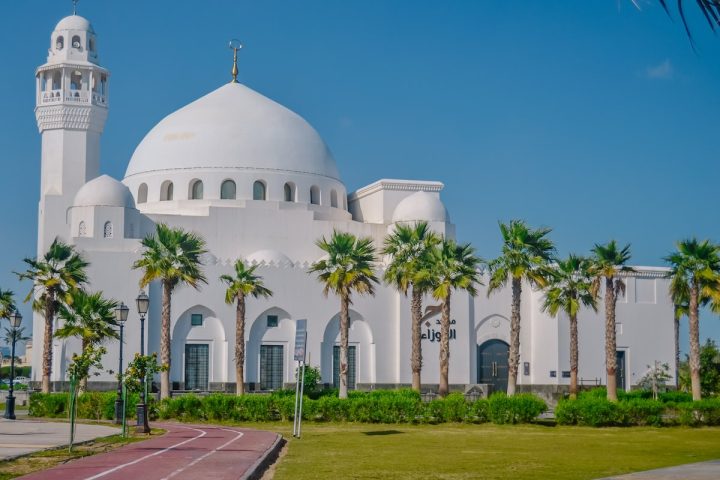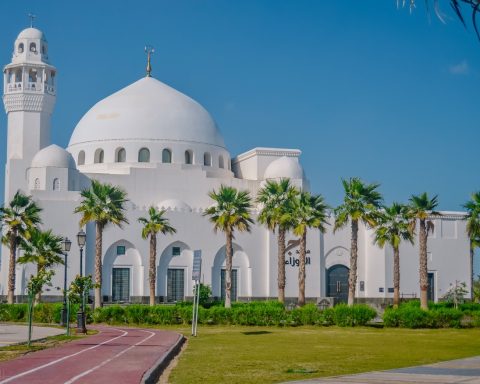


With Ramadan just days away, Saudi Arabia has embarked on one of its most ambitious mosque readiness campaigns to date. The Ministry of Islamic Affairs, Call and Guidance announced that 102 maintenance, cleaning, and operational projects are now underway, covering 18,691 mosques in every region of the Kingdom.
A Nationwide Effort to Welcome Worshippers
The initiative reflects Saudi Arabia’s longstanding commitment to ensuring that its mosques are fully equipped to receive the millions of worshippers who gather nightly for Taraweeh prayers and throughout the day during the holy month. The projects encompass routine maintenance monitoring, the resolution of technical issues, and comprehensive cleaning operations, all executed according to a carefully coordinated plan between the ministry’s central office and its regional branches.
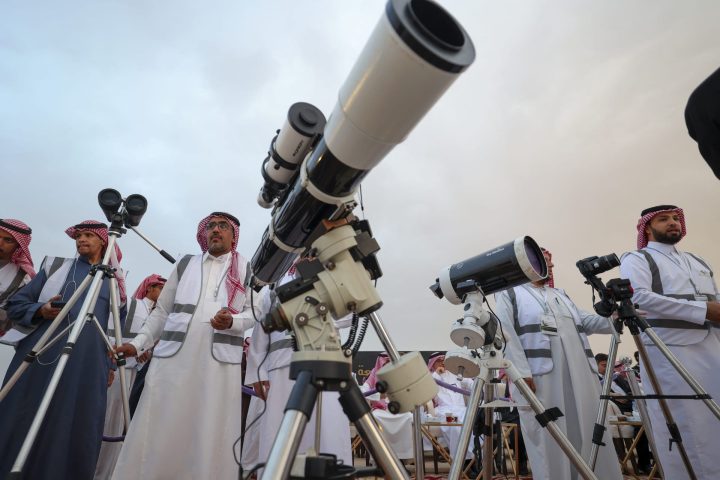
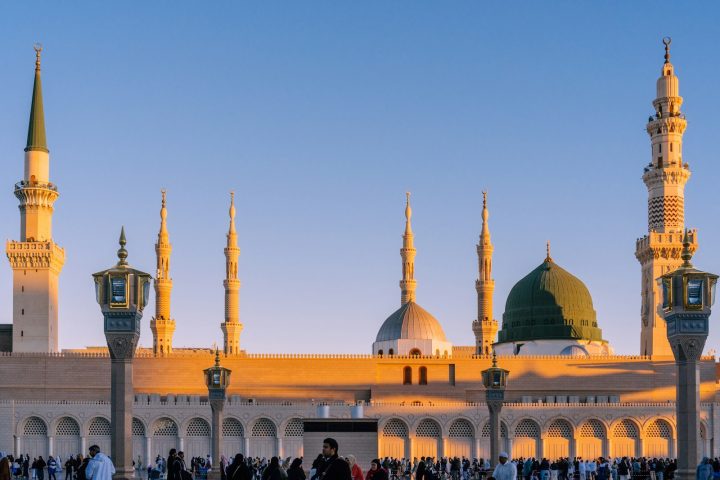
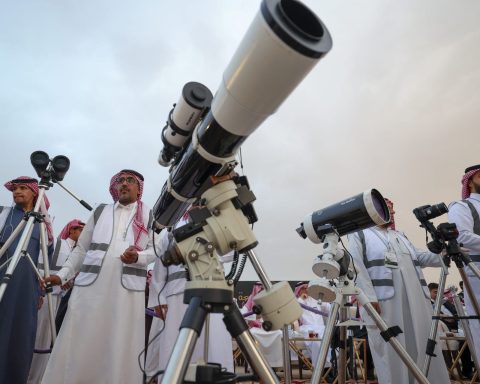
The scale of the operation underscores the Kingdom’s position as a global leader in Islamic affairs. From the Grand Mosque in Makkah to neighborhood prayer halls in remote villages, every facility is being brought to full readiness before the crescent moon is sighted.
New Guidelines Raise the Standard
In addition to physical preparations, the ministry has issued a comprehensive set of directives for mosque staff. Imams, muezzins, and mosque workers have been instructed to maintain full attendance throughout Ramadan, with absences permitted only under exceptional circumstances and with prior approval. Prayer schedules must follow the Umm Al Qura calendar precisely, and the interval between the call to prayer and the start of congregational prayer has been set at 15 minutes for Isha and Fajr.
The guidelines also address Tahajjud prayers during the final ten nights, stipulating that they conclude before dawn without causing undue hardship to worshippers. Qunut supplications should follow prophetic tradition and avoid excessive length. Imams have also been encouraged to deliver religious lessons to their congregations throughout the month.
Enhanced Services for Women and Families
Special attention has been directed toward women’s prayer areas, with the ministry instructing its branches to intensify cleaning and maintenance in these spaces. At the Grand Mosque in Makkah, the Women’s Affairs Agency has launched a dedicated Ramadan enrichment plan featuring six main tracks and 24 separate initiatives designed to support female worshippers.
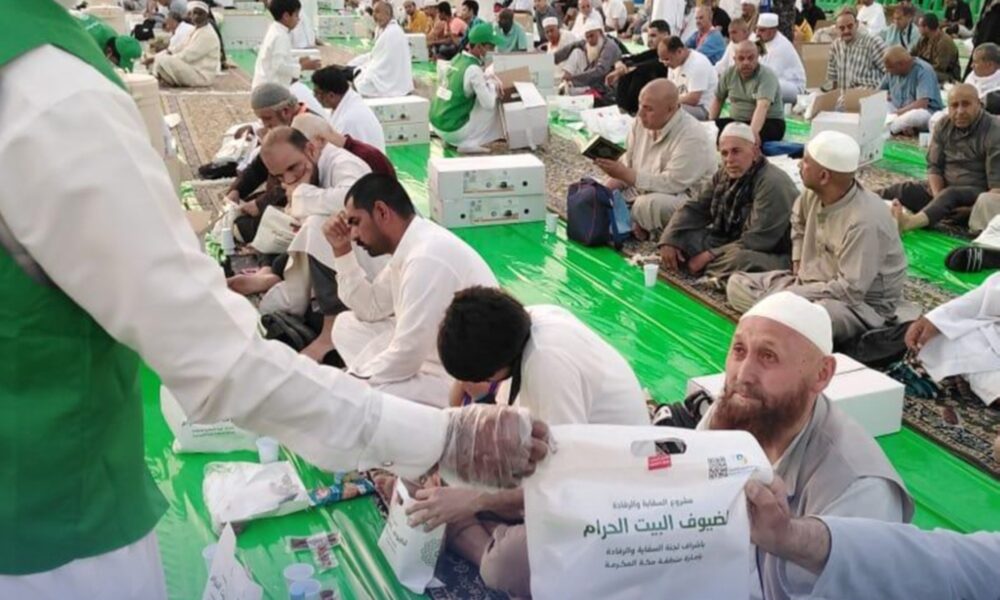
Iftar meals will be organized exclusively in designated mosque courtyards under staff supervision, with sites cleaned immediately after use. The collection of cash donations for iftar programs has been banned to ensure transparency, while bottled water donations will be regulated according to actual need.
As Saudi Arabia prepares to welcome Ramadan 1447 AH, expected to begin on February 18 or 19 following the official moon sighting, these preparations signal the Kingdom’s determination to provide a spiritually enriching, safe, and well-organized environment for worshippers across the nation.