

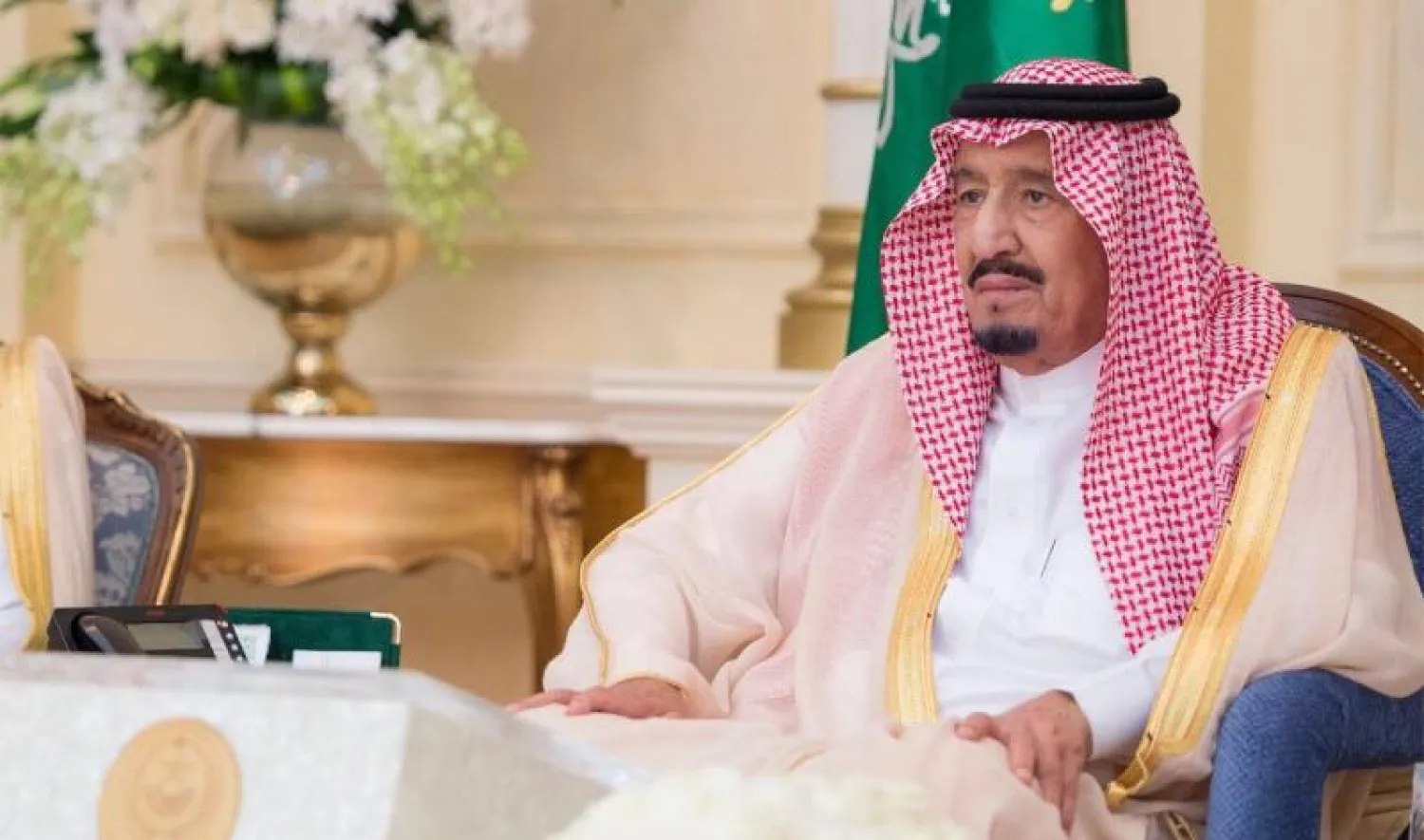
Saudi Arabia’s King Salman bin Abdulaziz on Thursday issued a series of royal decrees announcing a broad reshuffle of ministerial, judicial and regional government positions, in one of the most significant leadership overhauls in recent months.
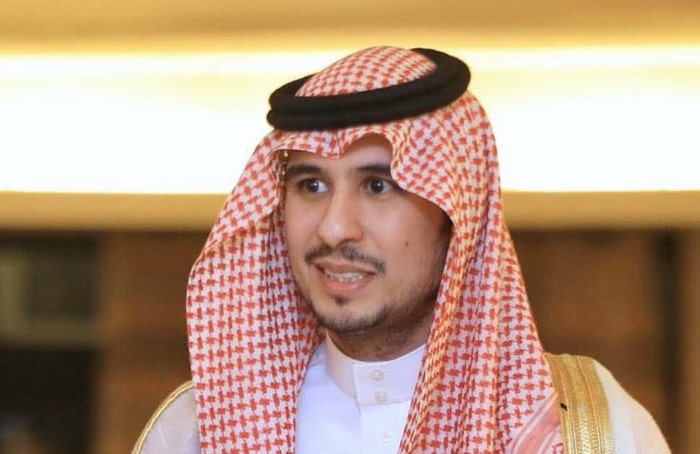
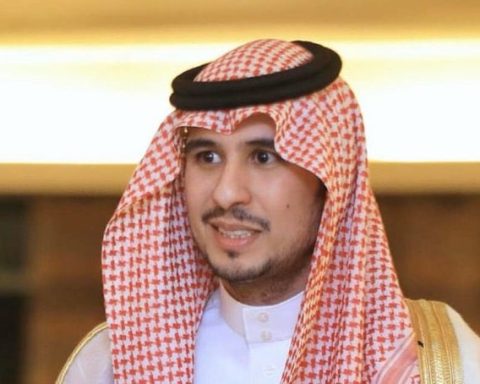
The most prominent change saw Fahad bin Abduljalil Al-Saif named as the new Minister of Investment, replacing Khalid Al-Falih, who was relieved of the post and redesignated as Minister of State while retaining his seat on the Council of Ministers. Al-Saif, a veteran of the Public Investment Fund and former head of the Saudi Debt Management Office, is expected to bring fresh momentum to Saudi Arabia’s drive to attract foreign direct investment as the Kingdom recalibrates its Vision 2030 targets.
The decrees also reshaped the Kingdom’s judicial leadership. Dr. Khalid bin Mohammed Al-Yousef was appointed Public Prosecutor at the rank of minister, having previously served as President of the Board of Grievances. Sheikh Saud bin Abdullah Al-Mujib, the outgoing Public Prosecutor, was reassigned as an adviser at the Royal Court at ministerial rank. Dr. Ali bin Ahmed Al-Ahidib was named the new President of the Board of Grievances.
Several regional governorship appointments were also announced. Prince Rakan bin Salman bin Abdulaziz was appointed Governor of Diriyah, underscoring the Kingdom’s commitment to the multibillion-dollar Diriyah Gate project, a cornerstone of Saudi Arabia’s cultural tourism ambitions. Prince Fawaz bin Sultan bin Abdulaziz was named Governor of Taif, while Prince Saud bin Nahar bin Saud was appointed Deputy Governor of Madinah Region.
Princess Haifa bint Mohammed bin Saud Al-Abdulrahman was appointed adviser at the General Secretariat of the Council of Ministers at ministerial rank, after being relieved of her role as Deputy Minister of Tourism. Meanwhile, Abdulaziz bin Abdulrahman Al-Arifi was named Governor of the National Development Fund, a position analysts view as integral to aligning the Kingdom’s developmental lending strategy with its broader commercial growth agenda.
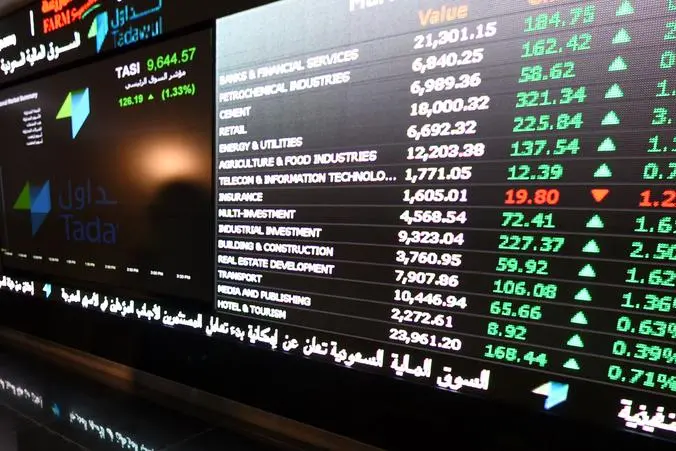
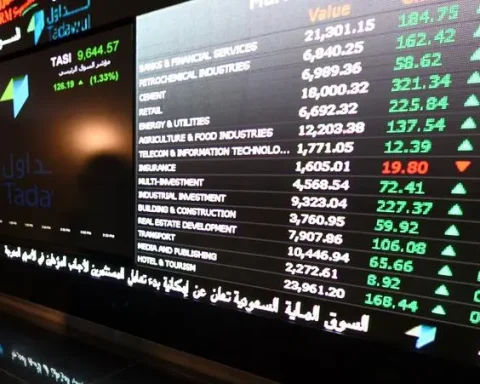
The reshuffle comes at a pivotal moment for Saudi Arabia’s economic transformation. With foreign direct investment totalling $31.7 billion in 2024 against an annual target of $100 billion, the appointment of Al-Saif as investment minister signals the leadership’s intent to accelerate capital inflows through renewed policy focus. The changes also reflect a broader effort to position Saudi Arabia’s governance structures for the next phase of Vision 2030, with an emphasis on judicial modernisation, heritage-led tourism development and strategic fund management.