

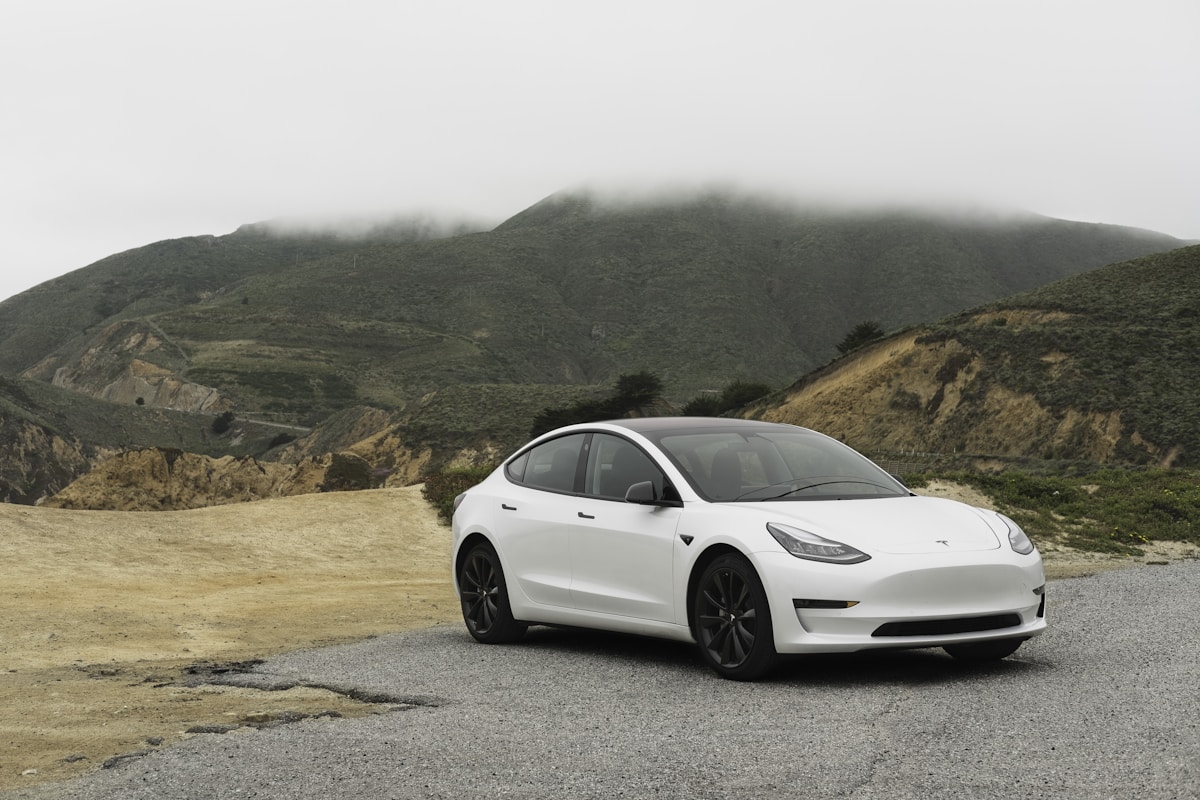
The Tesla AI robotics integration strategy positions the company to join the prestigious “Magnificent Seven” technology giants. Moreover, this aggressive expansion into artificial intelligence, robotaxis, and robotics represents a fundamental transformation from electric vehicle manufacturer to comprehensive AI ecosystem.
Tesla AI Robotics Integration Strategy Overview
Tesla’s strategic shift toward AI represents comprehensive transformation beyond traditional automotive applications. Furthermore, the company’s ambitions encompass autonomous transportation networks and humanoid robotics that could revolutionize multiple industries.
The Tesla AI robotics integration includes massive spending that could reshape business models. Additionally, it aims to cement Tesla’s position among the world’s most valuable technology corporations.
Robotaxi Initiative Leads AI Transformation
Tesla’s robotaxi initiative stands at the forefront of this transformation effort. However, the company is developing fully autonomous vehicles capable of operating without human intervention.
This technology promises to unlock new revenue streams through ride-sharing networks. Moreover, transportation-as-a-service models position Tesla to compete directly with established ride-sharing platforms while leveraging automotive expertise.
Optimus Humanoid Robot Development
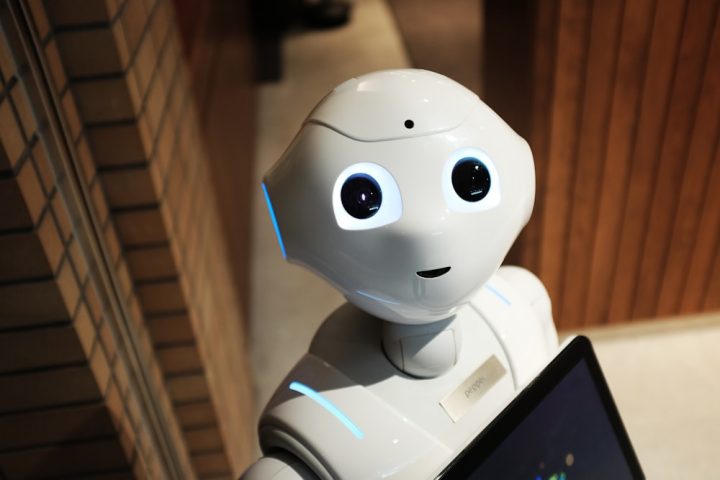
The Optimus humanoid robot project represents another key pillar of Tesla AI robotics integration. These robots are designed to handle repetitive, dangerous, or physically demanding tasks. Furthermore, they are anticipated to retail between $20,000 and $30,000, making advanced robotics accessible to broader markets including small businesses and households.
For Saudi Arabia’s technological development goals, this Tesla AI robotics integration offers valuable insights. The Kingdom’s Vision 2030 emphasizes diversification and technological advancement, making Tesla’s transformation particularly relevant to Saudi companies exploring AI applications in manufacturing, logistics, and service delivery.
Infrastructure and Manufacturing Strategy
Tesla’s commitment to AI infrastructure includes plans for a TeraFab facility to manufacture semiconductors internally. This ensures supply chain security and technological independence. Additionally, this vertical integration strategy mirrors approaches adopted by other technology giants.
The Tesla AI robotics integration reflects the critical importance of controlling key AI hardware components. However, the company’s spending plans for 2026 focus heavily on expanding both robotaxi fleets and Optimus robot production capabilities.
Regional Applications and Market Impact
Saudi Arabia’s NEOM project and other smart city initiatives could benefit from Tesla’s robotics technologies. The Kingdom’s focus on creating technology-enabled urban environments aligns well with Tesla’s vision of AI-integrated transportation and service robotics.
Tesla’s approach to AI development emphasizes real-world applications over theoretical research. Moreover, it focuses on technologies that can generate immediate commercial value through practical implementation.
Industry Transformation Template
This Tesla AI robotics integration strategy has enabled rapid advancement from experimental concepts to market-ready products. Furthermore, it covers areas like autonomous driving and energy storage systems.
As Tesla continues transformation into an AI and robotics company, its success could provide a template for other traditional manufacturers seeking to evolve in the digital age. Therefore, the company’s ability to join the Magnificent Seven would validate the potential for established industries to reinvent themselves through artificial intelligence and automation technologies.