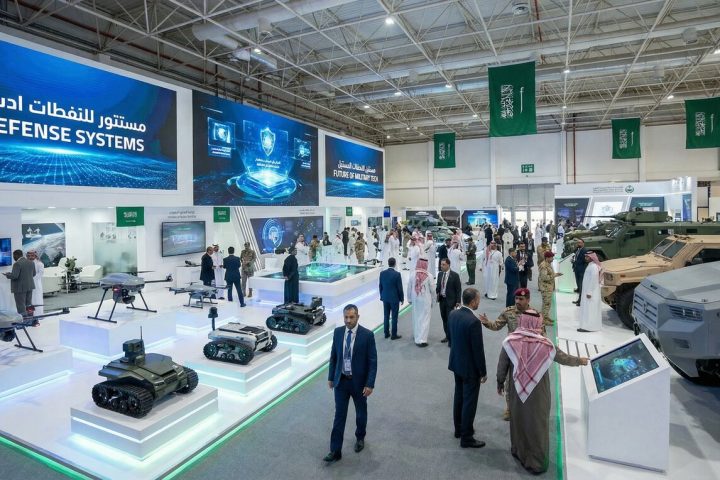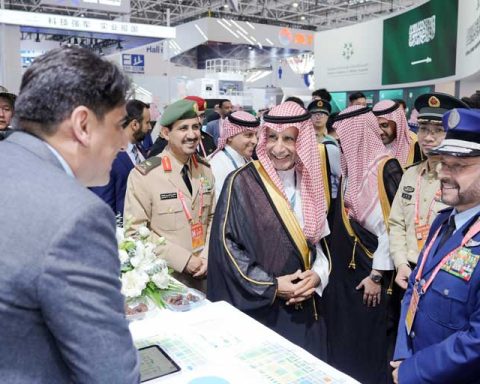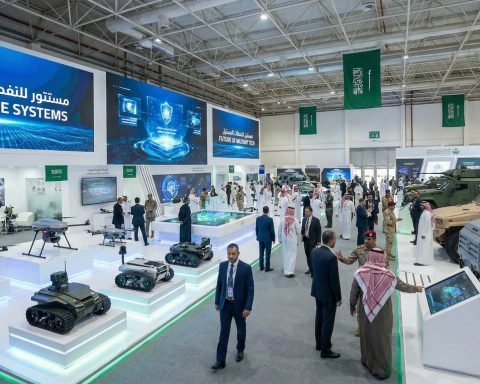


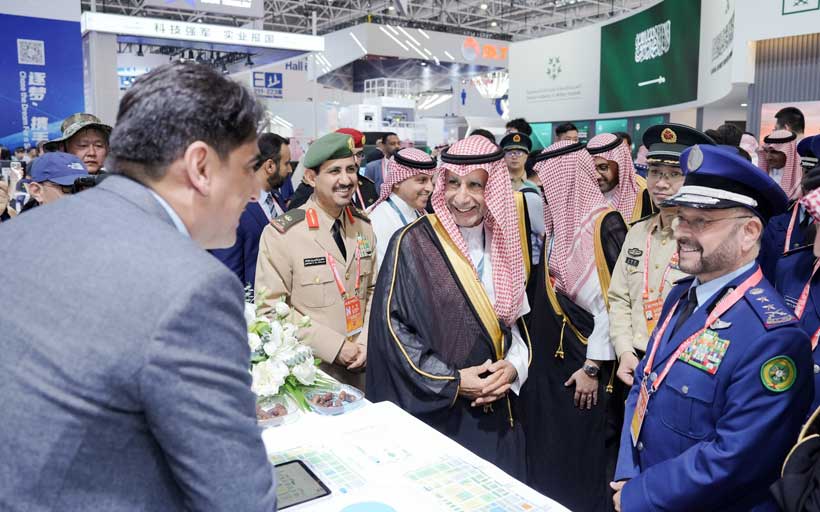
Riyadh is not merely hosting a defense show; it is presenting a critical assessment of defense realities. At World Defense Show 2026, the primary focus is not on hardware, but on the operating model. Saudi Arabia is addressing the strategic challenge of constructing a modern defense system that integrates across domains, updates at the pace of software, sustains itself independently, and governs innovation without increasing risk. For instance, a recent training exercise saw the Saudi military integrate radar systems with AI-enabled decision-support tools, reducing response times to potential threats by 30%. This example illustrates not only technical progress but also the implementation of an integrated tactical strategy. Such a consolidated approach signals a shift in defense from isolated capabilities to a unified, sovereign system.
Saudi Arabia is uniquely positioned to engage in this conversation at scale, as the Kingdom is not simply acquiring capabilities but is establishing the foundational conditions for their repeatability. These include regulation, industrial depth, talent development, data and AI infrastructure, and a national transformation agenda that positions security as the cornerstone of prosperity. Two flagship reforms exemplify this commitment: the creation of the General Authority for Military Industries (GAMI) to advance the local defense industry, and the National Industrial Development and Logistics Program (NIDLP), which seeks to establish Saudi Arabia as a global logistics center. Consequently, World Defense Show resonates differently in Riyadh. The theme ‘The Future of Defense Integration’ serves not as mere branding, but as a substantive statement of intent.
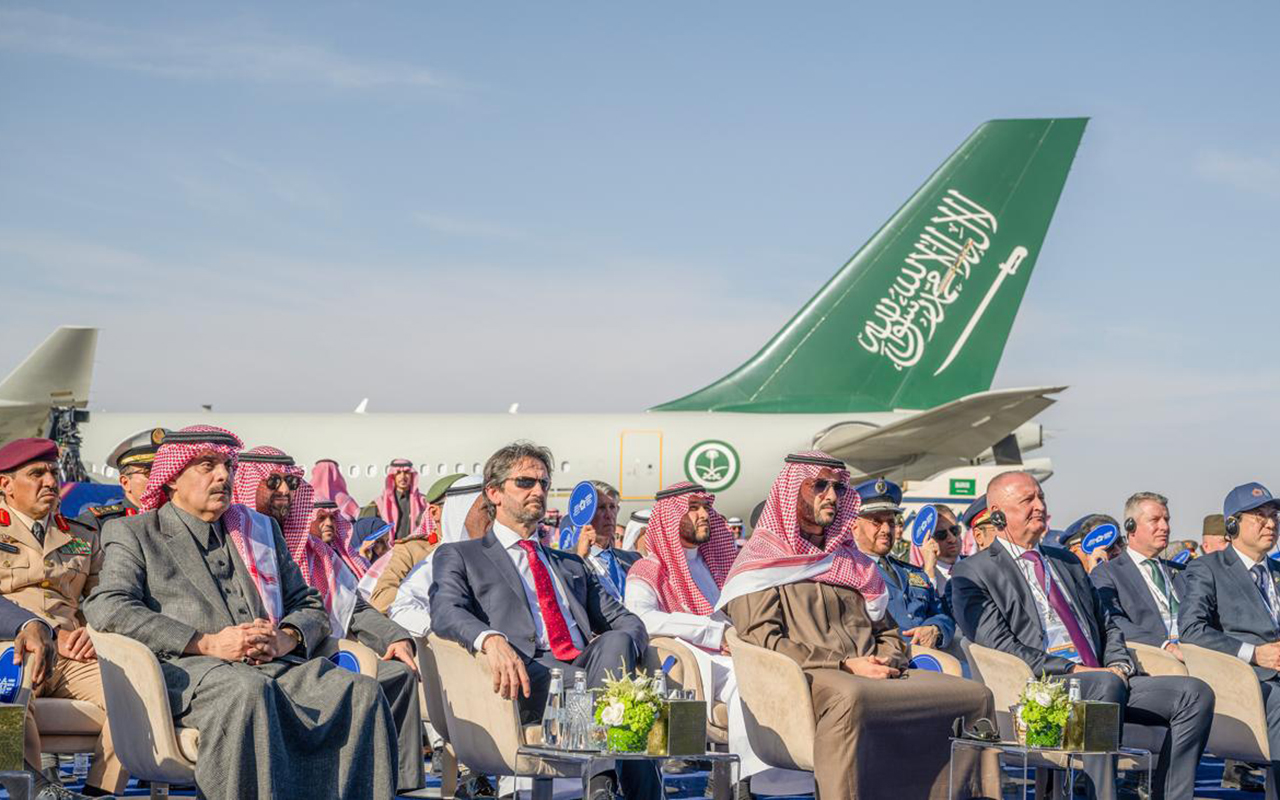
Integration now defines the seriousness of national defense efforts.
Historically, defense prestige was associated with platforms such as advanced jets, ships, and systems. By 2026, however, prestige is determined by integration: the ability to connect, endure, upgrade, and maintain trust under pressure. Many nations struggle with integration, not due to a lack of technology, but because of insufficient execution architecture, including secure data exchange, standardized protocols, resilient communications, skilled operators, and local sustainment that withstands supply shocks. A recent coalition exercise exposed this vulnerability, as several allied nations experienced operational setbacks from incompatible communication systems and data protocols, leading to delays in critical decision-making. These challenges underscore the distinction between possessing advanced technology and effectively integrating assets into a cohesive defense framework. Saudi Arabia is addressing this issue comprehensively. For example, the Kingdom has developed a unified communication platform that seamlessly integrates diverse systems, enhancing interoperability among its forces. In a joint exercise, this platform reduced communication lag by 40%, demonstrating Saudi Arabia’s innovative approach to integration. The focus is not on ceremonial displays, but on achieving sovereignty through robust systems.
AI is no longer a feature; it’s the terrain.
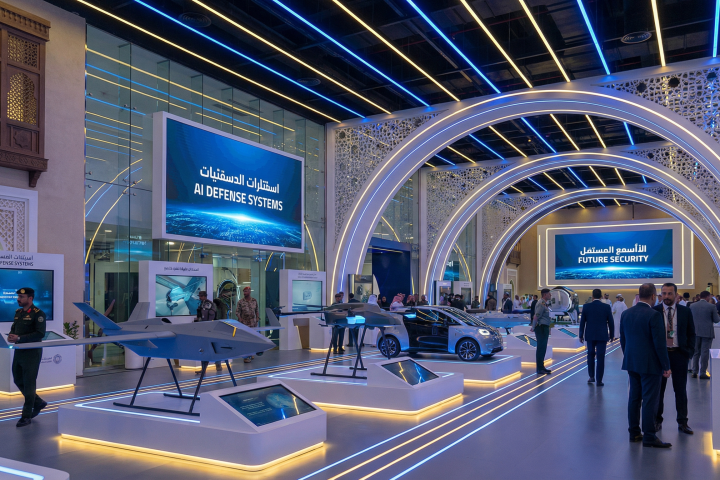
The global defense sector has moved beyond the notion that ‘AI will change everything.’ The current challenge is more specific and demanding: determining which nations can operationalize AI responsibly at scale without compromising sovereignty, safety, or credibility. Saudi Arabia’s broader sovereign strategy is significant in this context. The Kingdom has established the Saudi Data and Artificial Intelligence Authority (SDAIA) and articulated a national strategy positioning itself among the world’s leading AI nations. This ambition is not treated as a technological experiment, but as the development of an ecosystem grounded in skills, infrastructure, governance, and adoption. To ensure responsible AI governance, Saudi Arabia employs a multi-layered approach, including oversight bodies, adherence to international standards, and regular audits. Specialized committees monitor AI applications to ensure alignment with national ethical and security standards. These rigorous mechanisms reassure stakeholders of the Kingdom’s commitment to risk management and credibility. Furthermore, proficiency in trustworthy defense AI provides nations with significant diplomatic leverage, enhancing their influence in global security dialogues and highlighting the strategic importance of AI beyond mere technological advancement.In the defense sector, this shift manifests as the application of AI for sensing and data fusion, decision support, predictive maintenance, cyber defense, and rigorously governed autonomy. The essential issue is not the demonstration of technology, but the establishment of a chain of trust. This chain includes data quality to ensure accuracy and reliability, model accountability to maintain transparency in AI decision-making, secure computing environments to protect integrity and confidentiality, and a skilled human workforce capable of auditing systems, understanding failure modes, and operating under contested conditions. These factors collectively position Riyadh as a credible venue, where ‘AI-ready’ signifies readiness in governance as well.
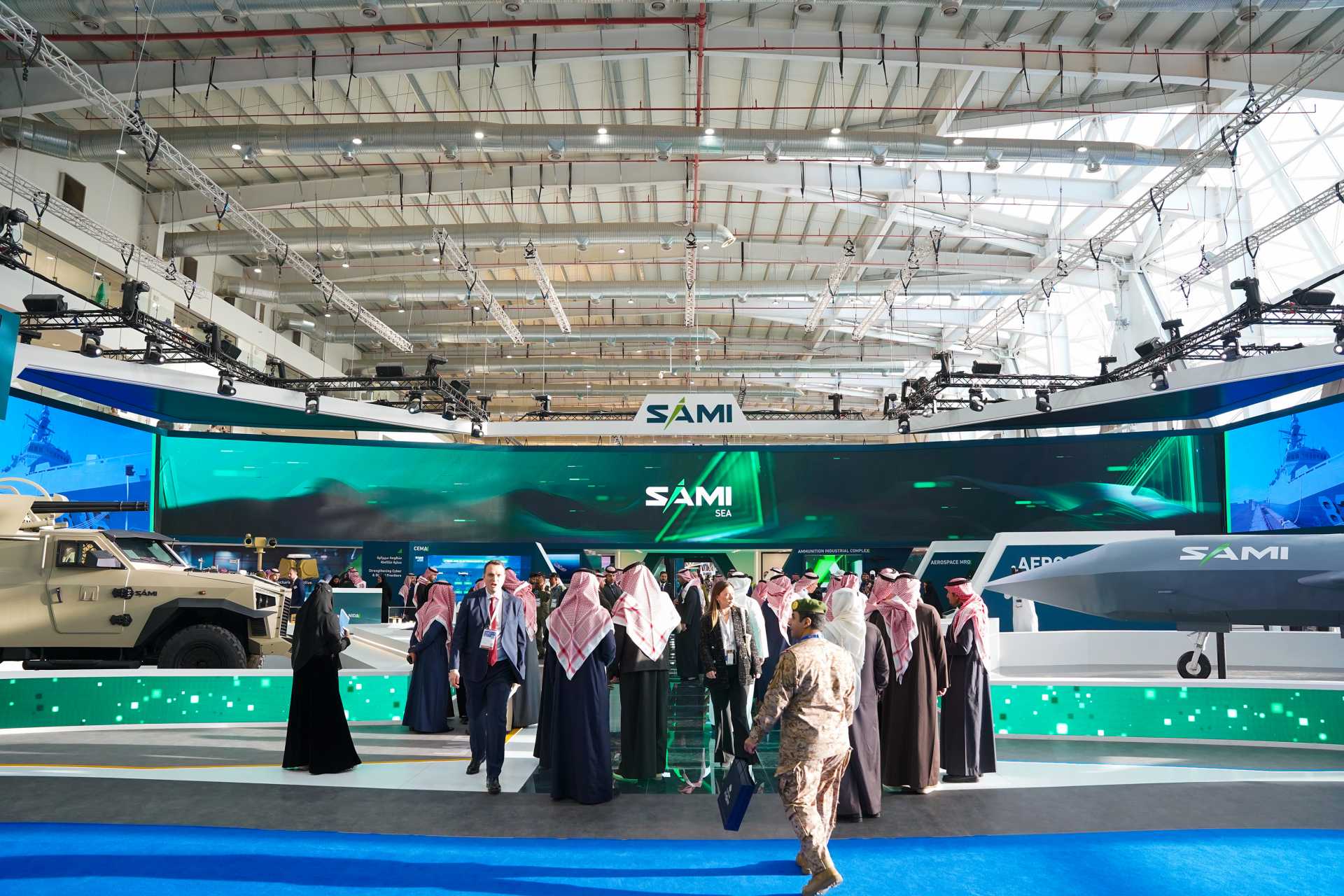
Localization: transitioning from patriotic rhetoric to a quantifiable strategic trajectory
Vision 2030 sets a clear defense-industrial objective: to localize over 50% of military spending by 2030. By the end of 2024, the General Authority for Military Industries (GAMI) reported localization at 24.89%. These figures reflect a fundamental shift from procurement dependency to the development of indigenous industrial capability. Achieving this ambitious goal presents several challenges, including supply chain vulnerabilities that may disrupt material and equipment flows, and a shortage of skilled labor to support advanced defense manufacturing. To address these challenges, Saudi Arabia is investing in local talent development and collaborating with international experts for knowledge transfer. Additional efforts focus on strengthening supply chain resilience to ensure continuity amid global disruptions.In this context, localization extends beyond labeling imported components as ‘Made in Saudi.’ It involves comprehensive efforts such as developing tier-two and tier-three suppliers, ensuring intellectual property and cyber protection, establishing compliance systems, building testing and certification capacity, and, most critically, investing in human capital. The true measure of localization is not the initial delivery, but the sustained ability to upgrade, repair, and improve systems independently over time.Supply chains decide outcomes, and Saudi Arabia is building one on purpose. This strategic prioritization of supply chain resilience is not only about assuring uninterrupted logistics; it is about deterrence and mission readiness. A robust supply chain underpins the Kingdom’s ability to maintain and deploy its defense capabilities efficiently, consequently enhancing its deterrence against possible threats. By incorporating supply chain resilience into its national defense strategy, Saudi Arabia elevates logistics from a commercial necessity to a fundamental part of national security, demonstrating a deep adaptation of deterrence theory and operational preparedness principles.In 2026, supply chain resilience emerges as the hidden center of gravity in defense. Recent geopolitical shocks and industrial constraints have demonstrated that ‘best-in-class’ capabilities are irrelevant if they cannot be sustained. Sustainment equates to power, maintenance to readiness, and logistics to deterrence. Saudi Arabia is strategically embracing this reality. At World Defense Show, the most significant exhibits are not necessarily the most prominent, but those that demonstrate ecosystem depth, such as local suppliers, manufacturing partnerships, maintenance, repair, and operations (MRO) readiness, secure digital sustainment, and robust governance structures that attract investment.
At this juncture, the Kingdom is redefining traditional industry dynamics. In many markets, primary contractors participate primarily as vendors.
Effective execution distinguishes Saudi Arabia in the defense sector.
The most common failure mode in transformation anywhere in the world is confusing aspiration with implementation. Saudi Arabia has made implementation a differentiator. Institutions like GAMI exist not only to regulate but to architect the ecosystem: standards, licensing, incentives, alignment across stakeholders, and clear targets that move the market. The journey from setting standards to achieving scale is deliberately mapped. It begins by establishing solid standards to ensure quality and reliability across the board. Licensing follows, efficiently processed to allow new ventures to begin operations swiftly, with turnaround times for defense-related projects reduced to less than 30 days. Incentives are introduced to encourage innovation and investment, aligning all stakeholders with the strategic aims.
Clear targets are set through different market levels to ensure consistent progress and effectively transition from policy to pragmatic implementation. One concrete indicator of this effective execution is the rapid licensing turnaround time for defense-related projects, which has been reduced to less than 30 days, demonstrating the Kingdom’s dedication to efficiency and progress. WDS matters because it sits on top of that execution layer. A defense show is only as serious as the system behind it. Riyadh’s system is built for scale. And scale is not theater. Scale is how sovereignty becomes durable.
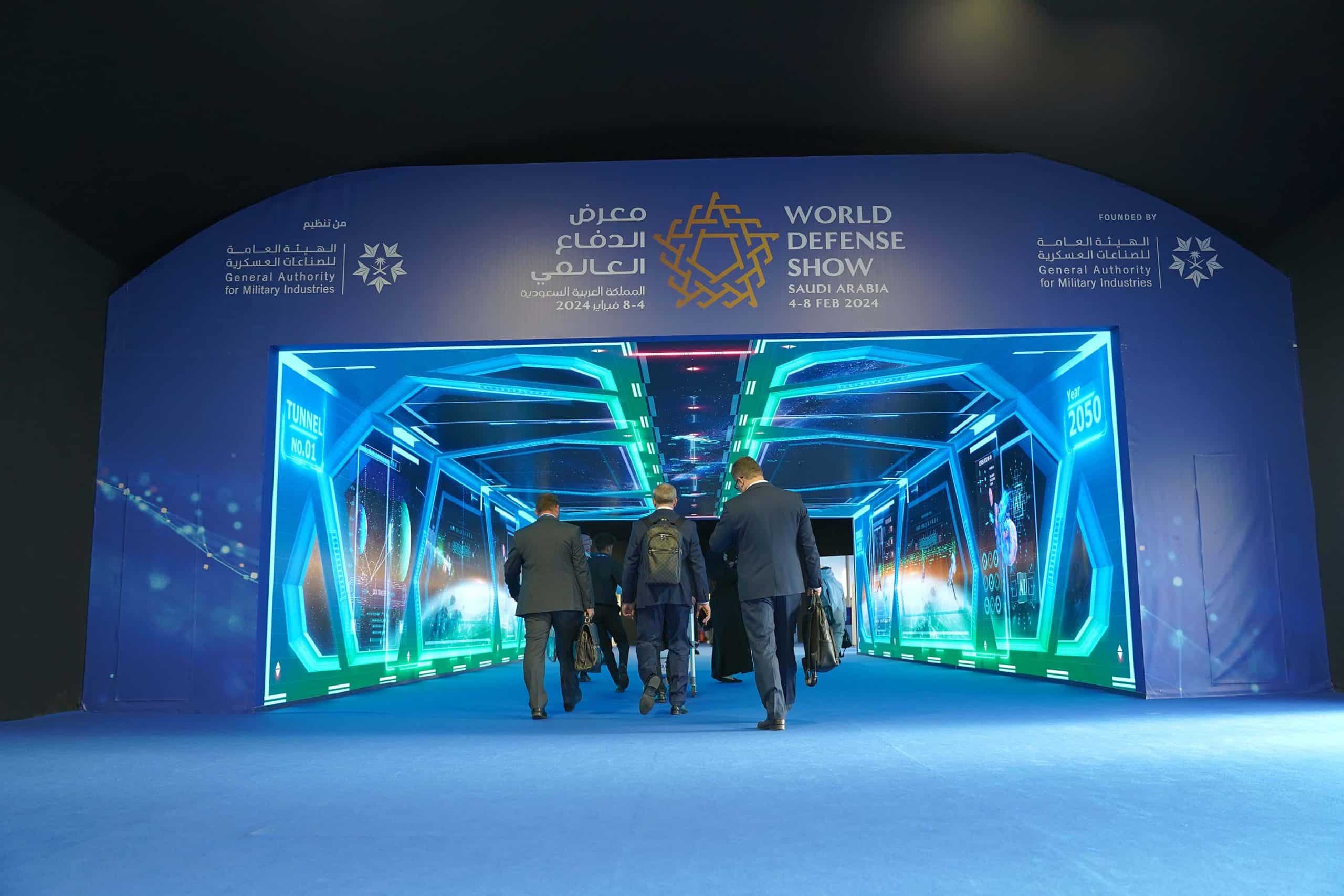
Human capital remains indispensable to defense transformation.No defense-industrial story is credible without talent. Full stop. Integration requires systems engineers and cyber specialists. AI requires data talent, governance specialists, and operators trained to work with decision-support systems without surrendering judgment. Sustainment requires a workforce qualified to safely and consistently maintain advanced systems. Saudi Arabia is investing in human capital as infrastructure because Vision 2030’s defense localization target cannot be achieved by procurement language. It must be achieved by people who can build, test, operate, and evolve the capability.
A series of initiatives underlines this commitment. Programs like the National Training and Education Initiative provide specialized training in defense technology, while collaborations with top universities aim to funnel leading research and skilled graduates directly into the defense sector. Additionally, incentive schemes encourage young Saudis to pursue careers in defense through scholarships and guaranteed placements in key projects. These concrete steps are deeply tied to the Kingdom’s goal of regional peace. By developing an expert workforce, Saudi Arabia not only bolsters its defense capabilities but also contributes to a steadier, more self-reliant region. By investing in education and training, the Kingdom underscores its commitment not only to local resilience but also to regional equilibrium, underscoring why human capital is truly non-negotiable. The underlying narrative: Saudi Arabia is constructing its future with a clear understanding of operational constraintsContemporary defense discourse prioritizes constraints over expansion, focusing on limited time, attention, supply chains, cyber trust, and spectrum. World Defense Show in Riyadh is a serious venue because Saudi Arabia does not sidestep these constraints; instead, its approach is structured around them. This distinction separates nations that merely showcase innovation from those that industrialize it, emphasizing governance, repeatability, talent, and a commitment to the rigorous, foundational work required to realize genuine capability.
Riyadh serves as the venue where the future of defense is critically evaluated.World Defense Show offers insight into Saudi Arabia’s broader Vision 2030 agenda: achieving sovereignty through systems. This is not a mere slogan, but a tangible undertaking. In Riyadh, the ‘future of defense’ is approached as an accountability standard, assessed by integration, supported by industrial depth, and propelled by a national transformation framework capable of scaling. The Kingdom is not seeking participation in the global defense dialogue; it is demonstrating its ability to shape one of the decade’s most significant discussions: how nations construct security amid the challenges of AI, complexity, and rapid change. The international community is observing to determine whether it can match this pace.
Published by: Boudou Gueffai | Editor-in-Chief | The Saudi Times