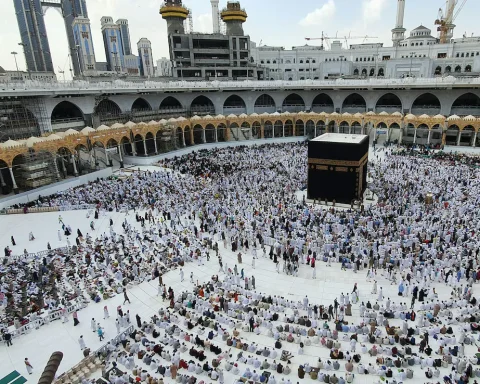


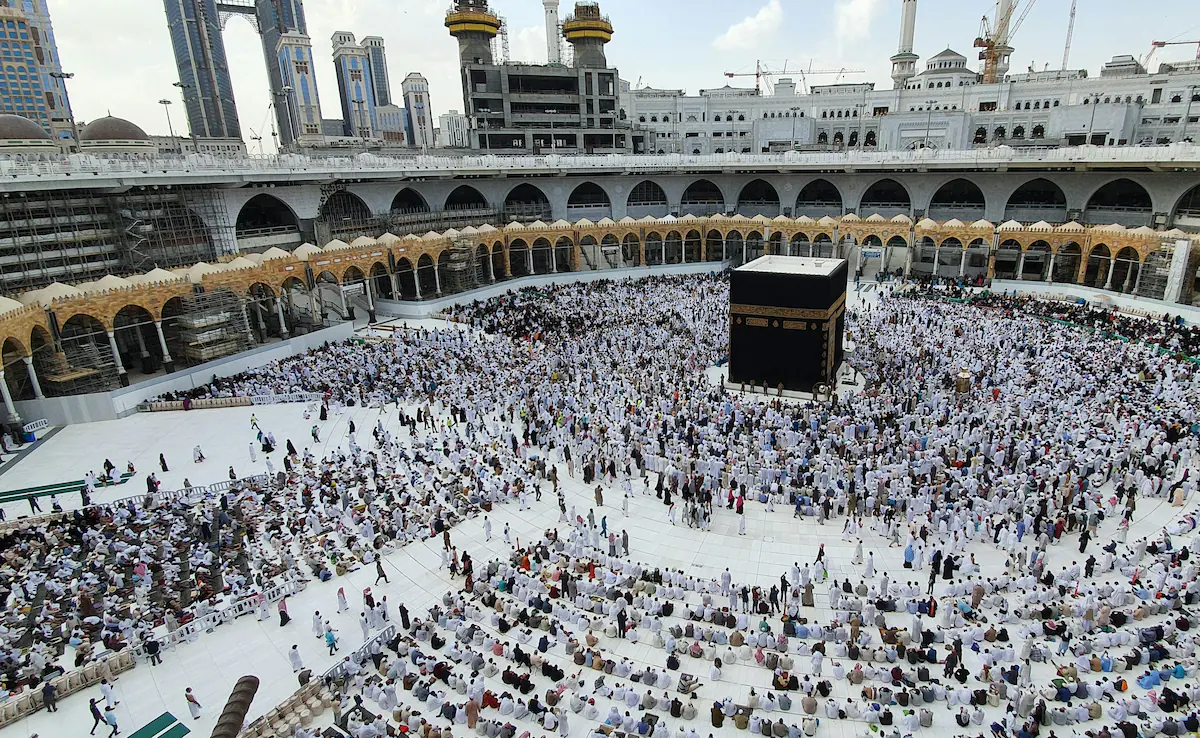
Saudi Arabia has officially opened the visa application window for the 2026 Hajj season, beginning what is one of the largest logistical operations carried out anywhere in the world each year. Hundreds of thousands of applications are expected from across the globe as Muslims prepare to perform the annual pilgrimage to Makkah.
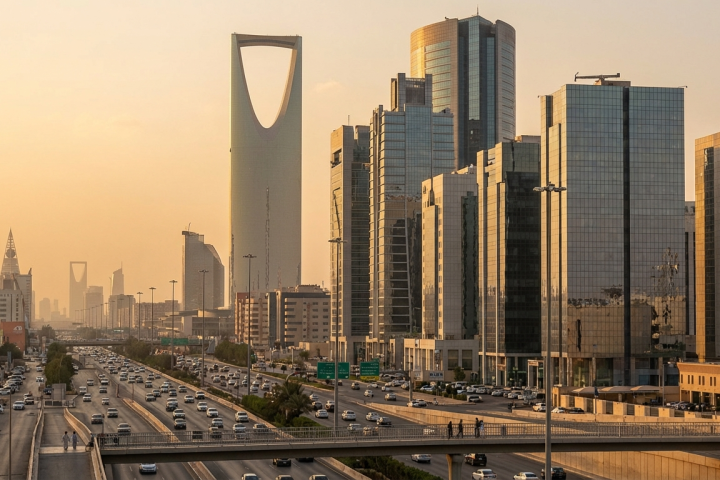
The announcement comes as the Kingdom continues to expand infrastructure and deploy new technology aimed at improving the experience for pilgrims — investments that also support Saudi Arabia’s broader Vision 2030 objectives for its tourism and hospitality sectors.
Managing a Sacred Trust
Hosting the Hajj involves mobilizing tens of thousands of workers, security personnel, healthcare professionals, and volunteers each year. For Saudi Arabia, the responsibility carries deep significance — the pilgrimage is the fifth pillar of Islam, and the Kingdom’s role as custodian of the Two Holy Mosques places it at the center of this annual gathering.
The 2026 season is expected to see larger numbers than in recent years. Reports indicate that India alone may submit as many as 750,000 visa applications, reflecting both the spiritual importance of the journey and growing confidence in the Kingdom’s ability to handle large-scale pilgrim flows safely and efficiently.
Technology Integrated Into the Journey
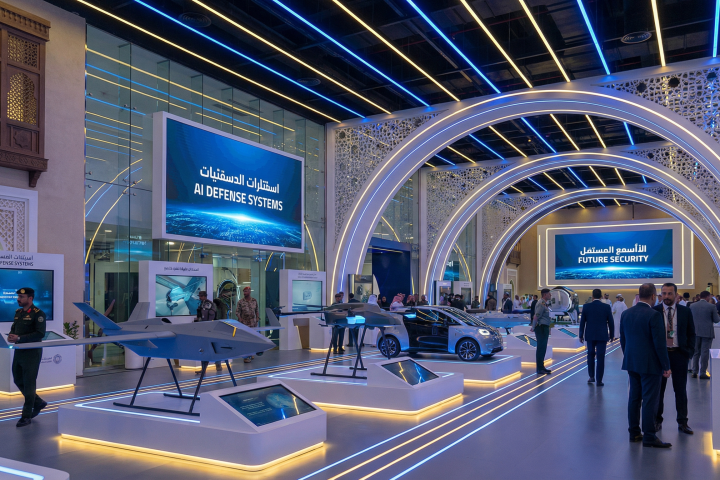
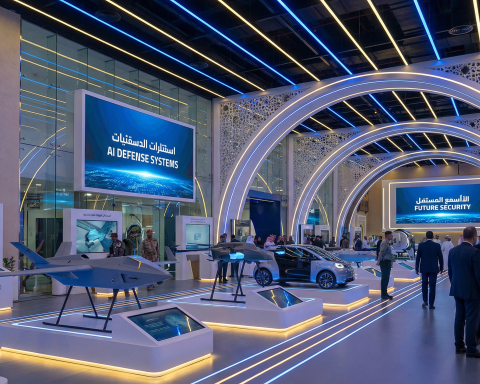
In recent years, Saudi authorities have steadily introduced technology into Hajj operations. Digital platforms now handle visa applications, crowd monitoring relies on real-time data systems, and AI-powered tools assist with health screening and multilingual translation services.
The Ministry of Hajj and Umrah has continued developing digital tools that streamline the process from application through arrival and departure, aiming to reduce wait times and improve accessibility for pilgrims of all ages and physical abilities.
Economic Ripple Effects
The Hajj season also carries substantial economic weight. Hospitality, transportation, retail, and food service sectors all see major increases in activity during the pilgrimage period, generating thousands of seasonal jobs and billions of riyals in revenue.
Under Vision 2030, Saudi Arabia has set a target of welcoming 30 million Umrah visitors annually, and the infrastructure being developed for Hajj directly supports that broader goal. As the visa window opens and pilgrims begin their preparations, the Kingdom once again takes on the complex task of hosting one of humanity’s largest annual gatherings — a role it has carried for decades and continues to invest in expanding.