

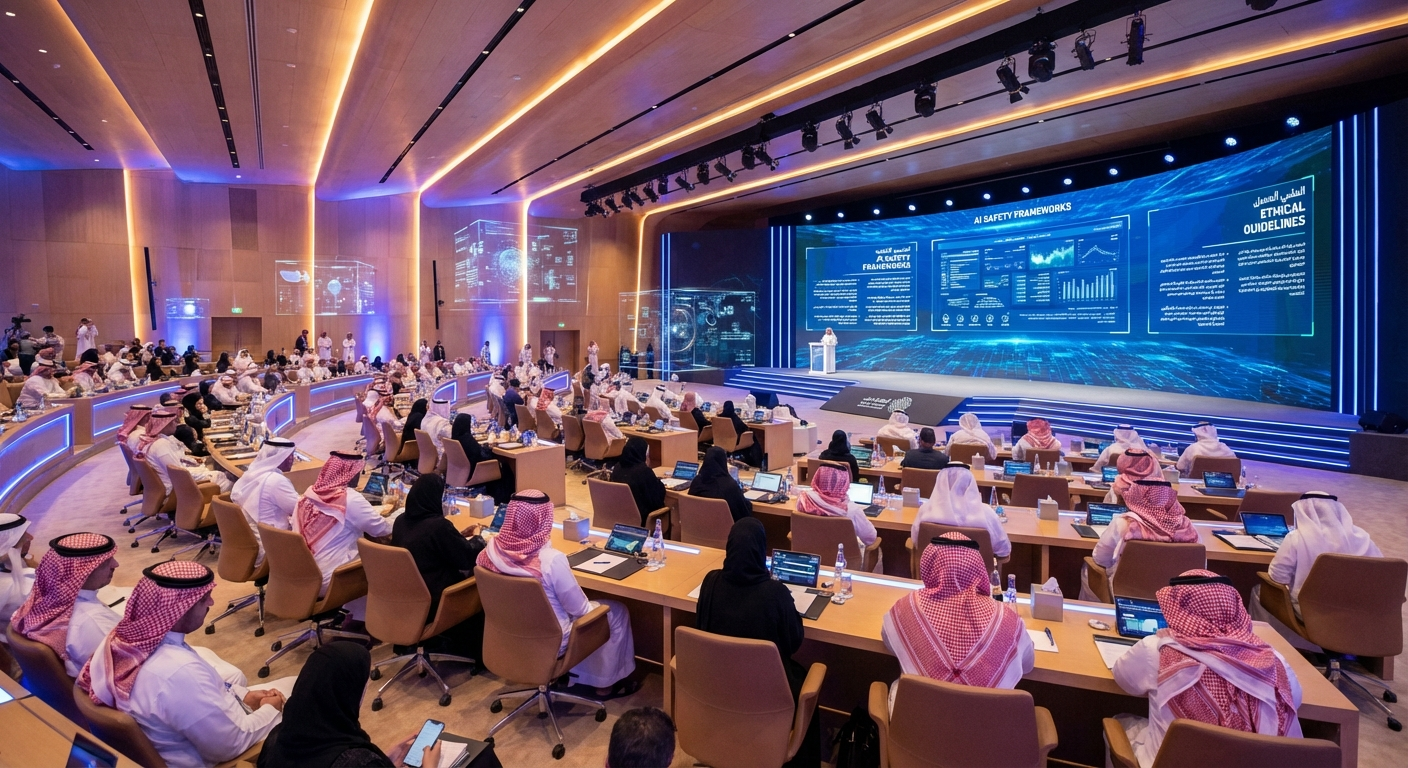
Here’s something that doesn’t get enough attention: while the world debates whether artificial intelligence will save us or doom us, Saudi Arabia is quietly sitting at the table where those decisions are actually being made.
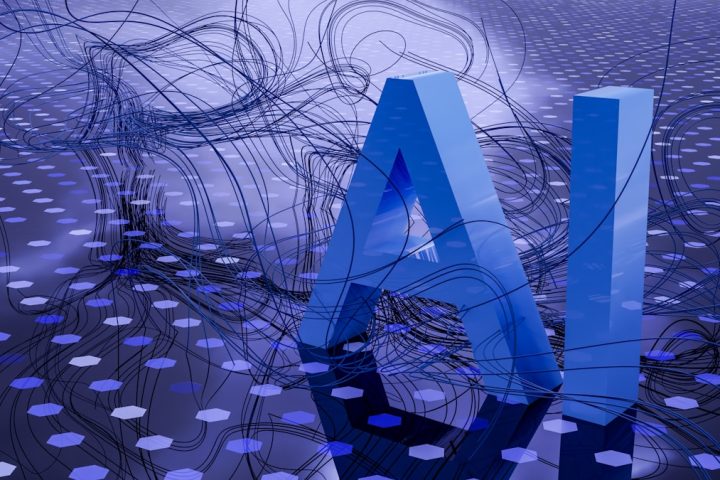
The Kingdom has officially joined the international effort to draft the AI Safety Report 2026, a landmark document that aims to establish global frameworks for the responsible development and deployment of artificial intelligence. And honestly? It’s a bigger deal than most people realize.
Why This Matters
The International AI Safety Report isn’t just another bureaucratic white paper. It’s the closest thing the world has to a rulebook for how AI should evolve — covering everything from algorithmic transparency to the ethical boundaries of autonomous systems. Saudi Arabia’s participation signals that the Kingdom isn’t content with merely using AI; it wants to help write the rules.
This comes at a time when Saudi Arabia has been aggressively building its AI infrastructure. The Saudi Data and Artificial Intelligence Authority (SDAIA) has been spearheading national AI strategy since 2019, and the results are showing. From smart city applications in NEOM to AI-driven healthcare diagnostics, the Kingdom has been positioning itself as a serious player in the global tech landscape.
A Seat at the Global Table
What makes this participation particularly significant is the timing. The global AI safety conversation has intensified dramatically over the past year, with nations scrambling to balance innovation with regulation. By contributing to the 2026 report, Saudi Arabia joins a select group of countries actively shaping the future governance of the technology.
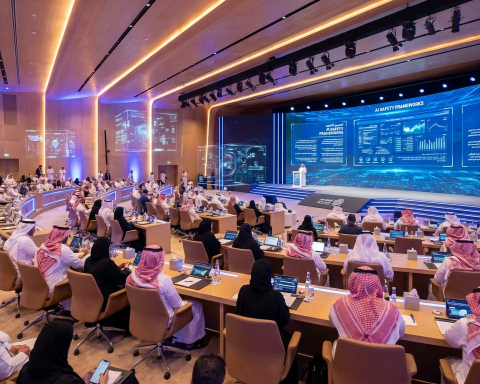
It’s worth remembering that the Kingdom hosted the Global AI Summit in Riyadh, drawing thousands of experts and policymakers from around the world. That wasn’t just a conference — it was a statement of intent. Saudi Arabia sees itself not as a spectator in the AI revolution, but as an architect.
The Vision 2030 Connection
None of this happens in a vacuum. Saudi Vision 2030 has consistently emphasized technology and innovation as pillars of the Kingdom’s economic transformation. AI, in particular, has been identified as a key driver for diversifying the economy beyond oil — and the numbers back it up.
The Kingdom’s AI market is projected to contribute billions to GDP by the end of the decade. But it’s not just about money. There’s a broader ambition here: to build a knowledge-based economy where Saudi talent leads in cutting-edge fields rather than relying on imported expertise.
What Comes Next
The AI Safety Report 2026 is expected to address some of the thorniest questions in tech today — from deepfake regulation to the impact of AI on labor markets, from data sovereignty to the militarization of artificial intelligence. Saudi Arabia’s voice in these discussions could influence how the technology develops across the Middle East and beyond.
For a country that many still associate primarily with energy, this is a powerful repositioning. Saudi Arabia isn’t just investing in AI. It’s helping to decide what AI becomes.
And in a world where that technology is reshaping everything from medicine to warfare, having a seat at that table isn’t optional anymore. It’s essential.