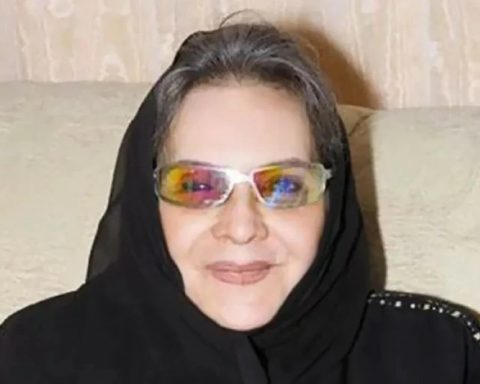


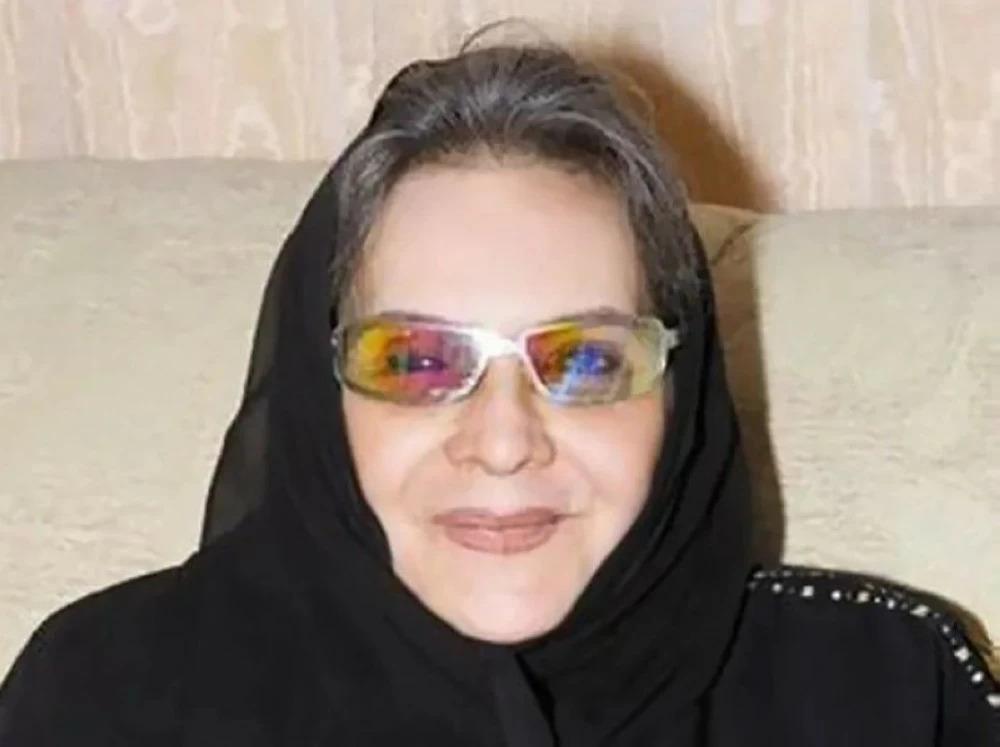
On the morning of Wednesday, February 4, 2026, Saudi Arabia lost one of its most treasured cultural icons. Thuraya Qabil, the legendary poet and journalist known as the “Voice of Jeddah,” passed away in a hospital in her beloved city after a long battle with illness. She was 85.
Here’s the thing about Thuraya Qabil — she didn’t just write poetry. She wrote the emotional soundtrack of an entire generation. Her words became the songs that played at weddings, echoed through old Jeddah alleyways, and lived on the lips of anyone who’s ever been in love in the Hijaz region.
Born in the Heart of Old Jeddah
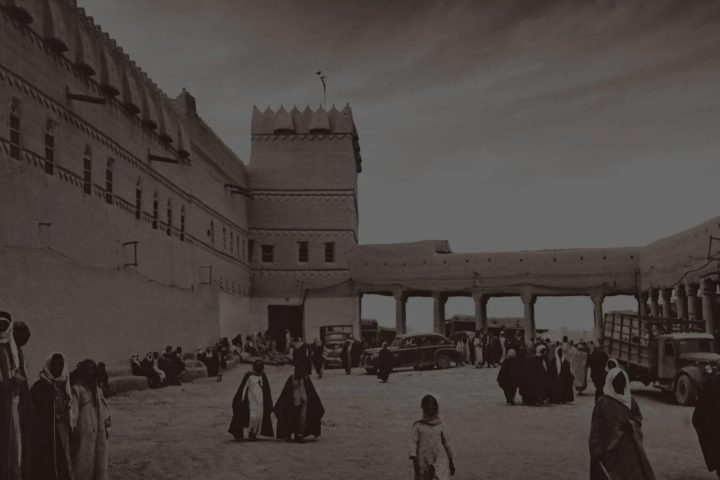
Thuraya was born in 1940 in the historic Al-Mazloom neighborhood of Old Jeddah — a place that shaped her poetic voice more than any classroom ever could. She lost her father at a young age, and her aunt Adila raised her with a fierce independence that would later define her career.
She completed her education at the private college in Beirut, and it was from Lebanon that she launched herself onto the literary stage. In 1963, she published her debut poetry collection, “The Weeping Weights” — and it wasn’t just a book. It was a statement. It’s widely recognized as the first classical poetry collection published by a Saudi woman under her real name, at a time when female authors routinely hid behind pseudonyms.
The late literary critic Mohammed Hassan Awwad called her the “Khansa of the twentieth century,” and honestly? He wasn’t wrong.
A Partnership That Defined Saudi Music
What truly cemented Thuraya’s legacy was her extraordinary artistic partnership with the late singer-composer Fawzi Mahsoon. Together, they created some of the most iconic songs in Saudi musical history — “After Joking and Playing,” “The Dark One Came to Me,” and “My Beloved, O My Beloved” are just a few that became instant classics.
But her reach extended far beyond one partnership. The legendary Talal Maddah performed her immortal “Give Me the Promise of Love,” while Mohammed Abdu — the “Artist of the Arabs” — sang her “No, No, By God.” Singer Atab brought “The Dark One Came” to life with her distinctive voice. Thuraya didn’t just supply lyrics; she supplied emotion, identity, and a distinctly Hijazi soul to Saudi Arabia’s golden age of music.
Breaking Barriers in Journalism
Poetry wasn’t her only battlefield. Thuraya entered Saudi journalism when women in newsrooms were virtually unheard of. She worked as an editor at the prestigious Okaz and Al-Riyadh newspapers, wrote columns that challenged social norms, and edited a women’s page called “The Sweet Half” in Al-Bilad newspaper.
In the 1960s, she was writing for publications in both Saudi Arabia and Lebanon. By 1986, she’d founded and led the magazine “Zina” as editor-in-chief — another first in a career full of them.
A Legacy Written in Song
Some poets never truly leave. They embed themselves in melodies, in the way a phrase catches in your throat, in that moment when an old song comes on and you suddenly feel something you can’t quite name. Thuraya Qabil was that kind of poet.
Her departure doesn’t close a chapter — it opens the window wider to a Jeddah that lives on through her words. Every time a Hijazi song plays on a Saudi radio, every time someone hums “Give Me the Promise of Love” without thinking, Thuraya Qabil is still very much alive.
Saudi Arabia’s Voice of Jeddah may have fallen silent, but the echo will carry on for generations.