

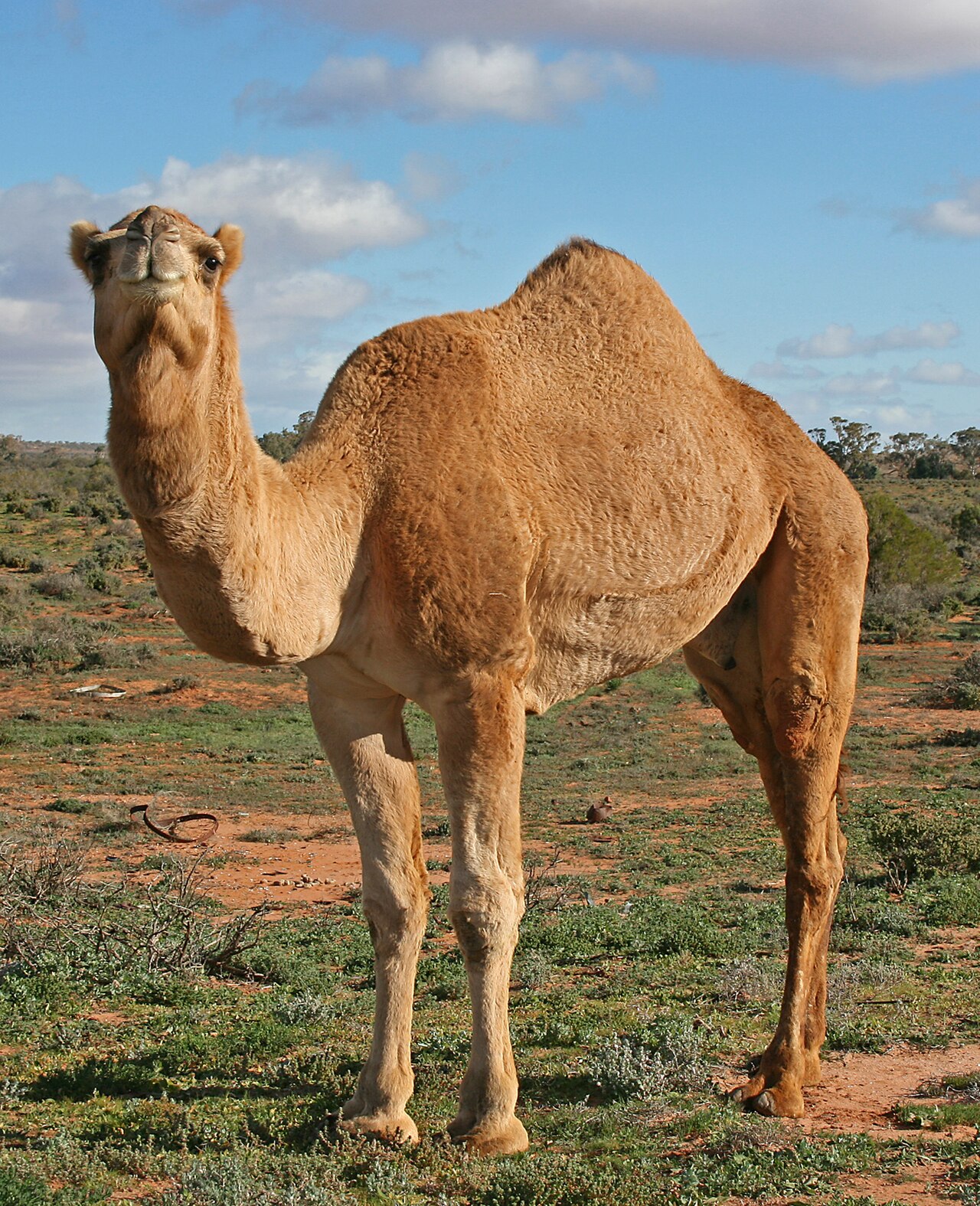
Saudi Arabia just did something that sounds like it belongs in a headline from the future: it’s giving millions of camels their own passports. Digital ones, obviously. But the reasoning behind the move? Way more practical than you’d think.
A Digital Identity for Every Camel
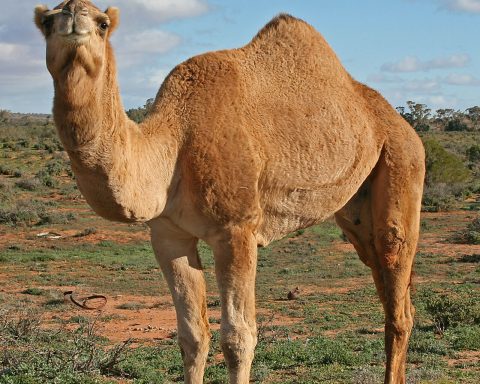
The Kingdom has officially launched its “Camel Passport Project” — a comprehensive digital tracking system designed to document camel ownership, monitor trade, and regulate one of the most culturally and economically significant sectors in the country. Every camel will receive a unique digital identifier linked to a centralized database, covering everything from ownership records to health history and even lineage.
Here’s the thing: Saudi Arabia is home to one of the largest camel populations on the planet. These aren’t just animals roaming the desert — they’re a multi-billion dollar industry. The annual King Abdulaziz Camel Festival alone draws tens of thousands of participants and dishes out hundreds of millions in prizes. With that kind of money on the table, the need for a proper regulatory framework was overdue.
Why This Matters
For decades, camel trading in Saudi Arabia operated on traditional methods — trust, word of mouth, and physical documentation that could easily be disputed or forged. The new passport system changes all of that. Every sale, transfer, and competition entry will now be digitally recorded and traceable.
Think of it as a civil registry, but for camels. Each animal gets essentially a digital birth certificate, ownership title, and health record all rolled into one tamper-proof system. It’s the kind of infrastructure that modern agriculture has been moving toward globally, and Saudi Arabia is now applying it to its most iconic animal.
Beyond Domestic Trade
The passport system won’t just serve the local market. International trade in camels — for breeding, racing, and even dairy production — will also benefit from the standardized documentation. Export and import procedures should become smoother, and compliance with international veterinary and health standards will be easier to verify.
This is particularly relevant as Saudi Arabia has been actively expanding its camel-related industries, including camel milk production, which has been gaining traction globally as a health food product.
Part of a Bigger Picture
Honestly? This move is vintage Saudi Arabia 2026. The Kingdom has been on a relentless digitization push — from smart cities to e-government services to blockchain-based property deeds. Now, even one of the world’s oldest pastoral traditions is getting the digital treatment.
Some might chuckle at the idea of camel passports. But behind the quirky headline lies a serious economic modernization effort. In a market worth billions and deeply embedded in national identity, bringing transparency and traceability isn’t a luxury — it’s an inevitability.
And if there’s one country that can make “camel passport” sound not just reasonable but forward-thinking, it’s Saudi Arabia.