

The ancient oasis of AlUla has welcomed record numbers of visitors, cementing its position as a premier cultural tourism destination. The region’s archaeological wonders, including the UNESCO World Heritage Site of Hegra, have captivated travelers from around the world.
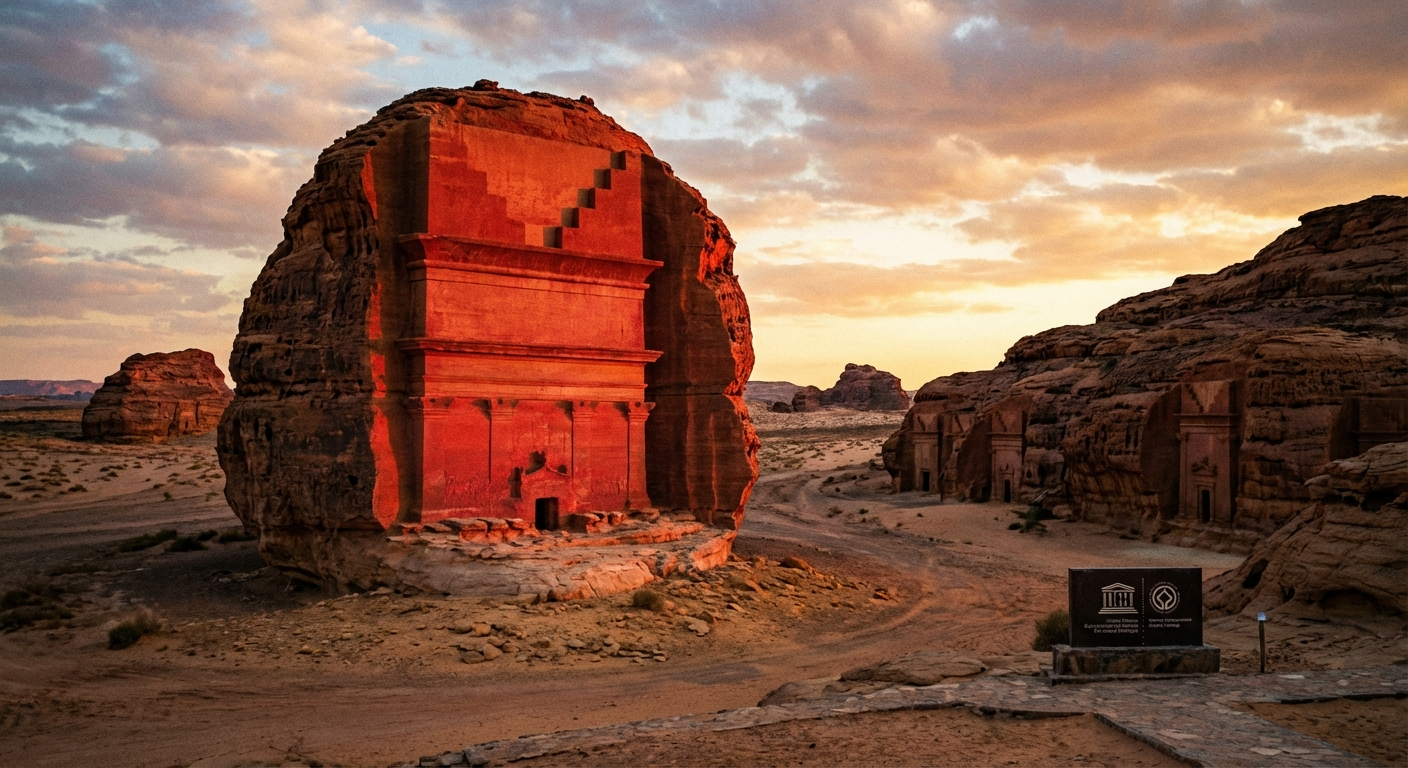
Hegra, also known as Madain Saleh, features spectacular Nabataean tombs carved into sandstone cliffs two millennia ago. The site rivals Petra in Jordan in historical significance while offering a more intimate visitor experience.
Beyond the Tombs
AlUla’s appeal extends beyond its ancient monuments. The surrounding landscape of dramatic rock formations, date palm oases, and starlit desert nights creates an immersive experience that visitors describe as transformative.
Luxury resorts have opened in environmentally sensitive designs that complement rather than dominate the natural setting. These properties cater to travelers seeking both comfort and authentic connection with the destination.
Cultural Programming Enriches Visits
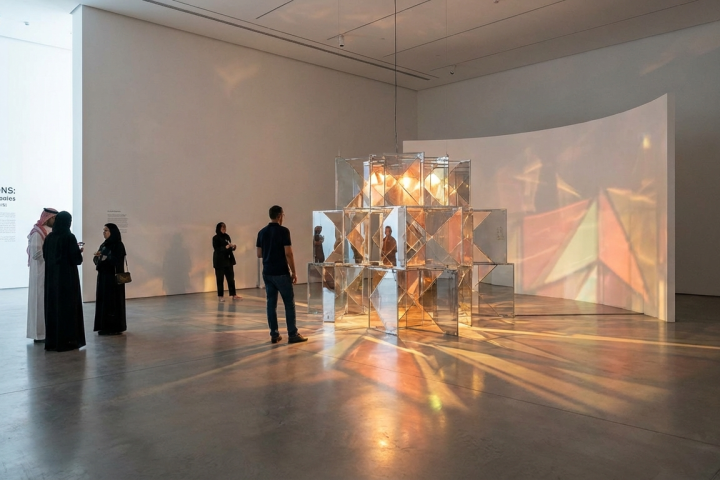
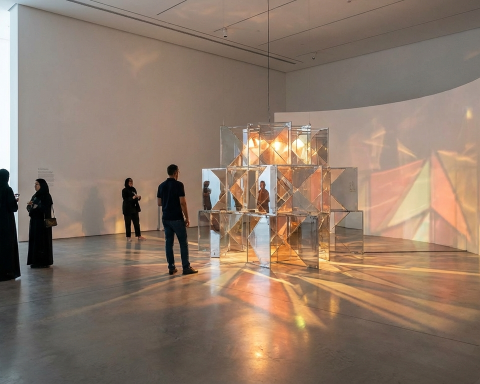
The Royal Commission for AlUla has developed programming that brings the region’s heritage to life. Art installations, musical performances, and culinary experiences add contemporary relevance to ancient settings.
Local communities have been integrated into tourism development, with residents trained as guides and craftspeople supplying authentic products. This approach ensures that tourism benefits those who have called AlUla home for generations.
As infrastructure continues to improve and awareness grows, AlUla seems poised to become one of the world’s most sought-after cultural destinations.
The surge in visitors to AlUla reflects growing global awareness of this extraordinary archaeological destination. The ancient Nabataean tombs of Hegra, Saudi Arabia’s first UNESCO World Heritage site, are drawing history enthusiasts and curious travelers from around the world.
“AlUla offers a journey through time like few places on Earth,” said a tourism official. “Visitors discover 7,000 years of human history in a landscape of stunning natural beauty.”
Careful development has ensured that tourism growth doesn’t compromise the site’s integrity. Sustainable practices, limited visitor numbers at sensitive locations, and extensive conservation work protect these treasures while sharing them with the world.