

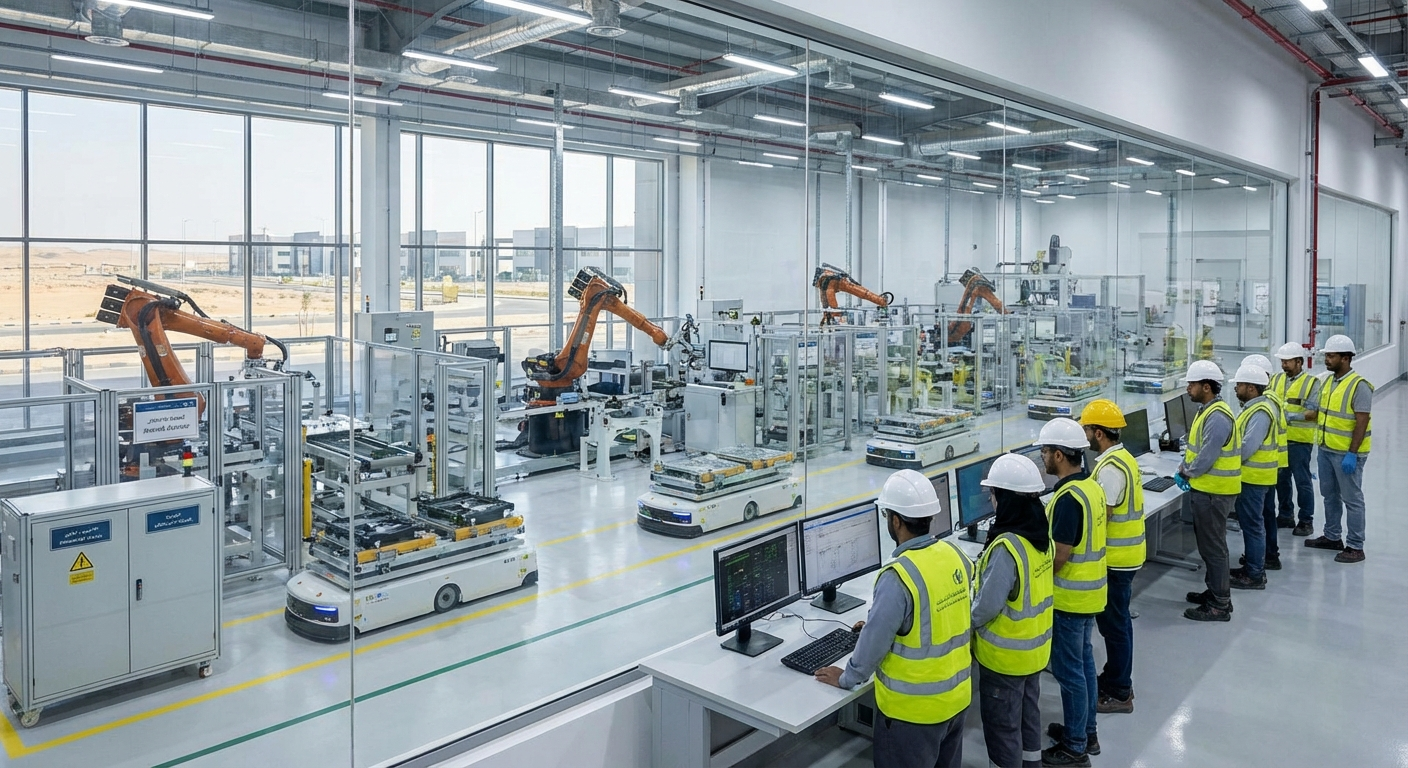
Saudi Arabia has signed a comprehensive technology transfer agreement with leading Asian manufacturers, bringing advanced production capabilities to the Kingdom. The deal includes commitments to establish local factories, train Saudi workers, and share proprietary technologies.
The agreement covers multiple industrial sectors, including electronics, automotive components, and precision manufacturing. Products made in Saudi facilities will serve both domestic markets and regional exports.
Building Industrial Capability
Technology transfer addresses a key objective of Vision 2030: reducing dependence on imports and creating knowledge-based employment. Simply importing finished goods fails to develop local expertise; manufacturing locally builds skills and spawns supporting industries.
Training programs will prepare Saudi nationals for technical positions ranging from production line work to engineering and management roles. Partner companies have committed to specific localization targets over the agreement’s duration.
Strategic Economic Implications
The manufacturing investments diversify the Kingdom’s economy while potentially improving balance of trade figures. Goods currently imported at significant expense may eventually be produced domestically at competitive costs.
Special economic zones provide incentives for foreign manufacturers to establish operations, including streamlined regulations and infrastructure support. These zones have attracted substantial investment interest.
While the full economic impact will take years to materialize, this agreement represents a significant step toward the industrial diversification that Saudi Arabia’s long-term prosperity requires.
The technology transfer agreement represents a strategic move to develop domestic capabilities in advanced manufacturing and innovation. Rather than simply importing finished products, Saudi Arabia is now acquiring the knowledge and skills to produce cutting-edge technology locally.
“Technology transfer is essential for building a sustainable knowledge economy,” explained an industry official. “We’re not just buying technology; we’re developing the expertise to innovate independently.”
The agreement includes provisions for training Saudi engineers and technicians, establishing local research facilities, and eventually exporting Saudi-made products to regional markets. This approach creates high-value jobs while reducing dependency on imports.