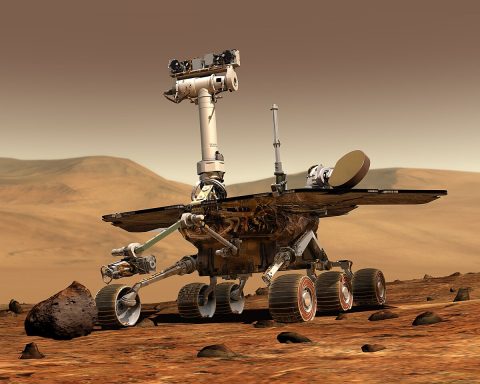


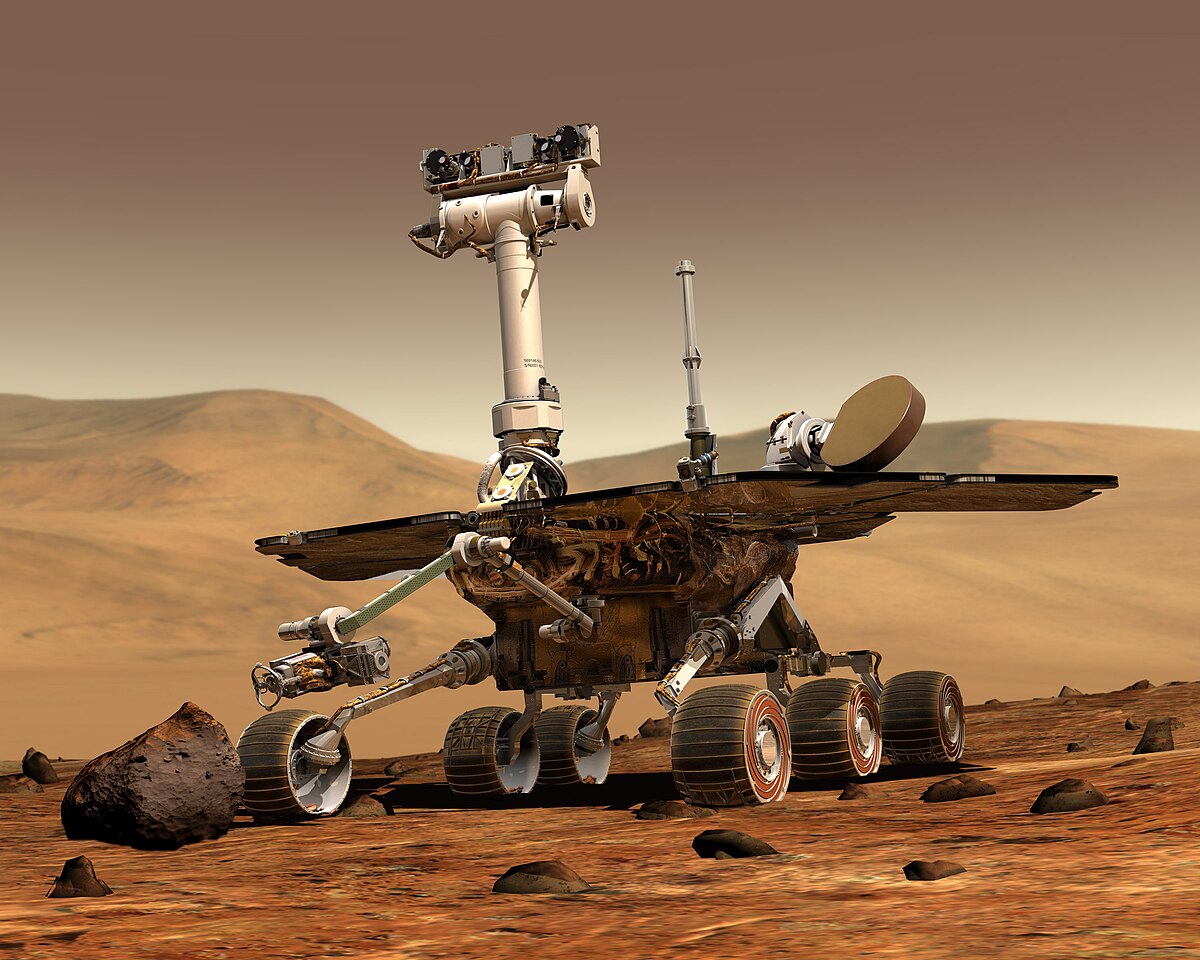
Here’s something that would’ve sounded like science fiction just a few years ago: NASA let an AI pick the route for their Mars rover. And it worked.
Last December, the Perseverance rover completed a drive through one of the trickiest parts of Jezero crater—and the path it took wasn’t planned by humans. Anthropic’s Claude, the same AI that powers chatbots and writing assistants, plotted the entire route. First time ever.
So what does this actually mean for space exploration? Quite a lot, as it turns out.
The Old Way Was Painfully Slow
Here’s how Mars rover navigation used to work. Engineers at NASA’s Jet Propulsion Laboratory would spend days—sometimes an entire week—analyzing images from Mars, identifying hazards, and carefully planning each drive. We’re talking about moving a car-sized robot that costs billions of dollars across terrain nobody’s ever walked on. You don’t rush that.
But there’s a problem. Mars isn’t getting any closer. Communication delays run up to 22 minutes each way. If something goes wrong, you can’t just hit the brakes remotely. By the time you know there’s trouble, it’s already happened.
Why’d They Trust an AI With This?
Good question. It seems risky, right?
The thing is, AI systems like Claude can crunch through massive amounts of geological data way faster than any human team. They can simulate thousands of possible routes, weigh the risks of each rock and slope, and come up with options that might not occur to people who’ve been staring at the same crater for months.
JPL engineers didn’t just hand over the keys, though. They reviewed everything Claude suggested before giving the green light. Think of it more like having a really smart assistant who does the homework while humans make the final call.
And the route it came up with? The team admitted it was clever. It balanced safety and scientific opportunity in ways they hadn’t considered.
This Changes Things for Deep Space
Mars is relatively close. Future missions to places like Europa or Titan—we’re talking communication delays of hours, not minutes. You can’t micromanage a robot that far away. It needs to think for itself.
That’s where this experiment matters. Every successful AI navigation builds trust. And trust is what you need before sending a robot to drill into an ice moon looking for alien life.
Even the Artemis program could benefit. The Moon’s south pole is full of permanently shadowed craters—places where humans will eventually hunt for water ice. Having AI that can navigate tricky terrain without constant human input? That’s not a luxury. It’s a necessity.
Not Everyone’s Thrilled
Some scientists worry we’re moving too fast. AI doesn’t have intuition. It doesn’t get hunches. If something truly weird shows up—something outside its training data—there’s no guarantee it’ll react the right way.
And there’s the accountability question. If an AI-planned route destroys a rover, who’s responsible? The engineers who approved it? The company that built the AI? It’s murky territory.
For now, NASA’s keeping humans in the loop. But the loop’s getting smaller.
What Happens Next
Perseverance is still out there doing its main job—looking for signs of ancient life, collecting samples, being a very expensive geologist. But that one AI-guided drive might end up being what we remember most.
It’s proof of concept. Not just for Mars, but for everywhere else we want to go.
The robots are getting smarter. And honestly? Given how far away everything is, that’s probably a good thing.
Source: NASA Jet Propulsion Laboratory