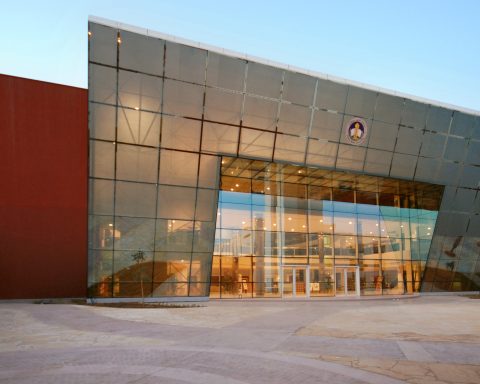


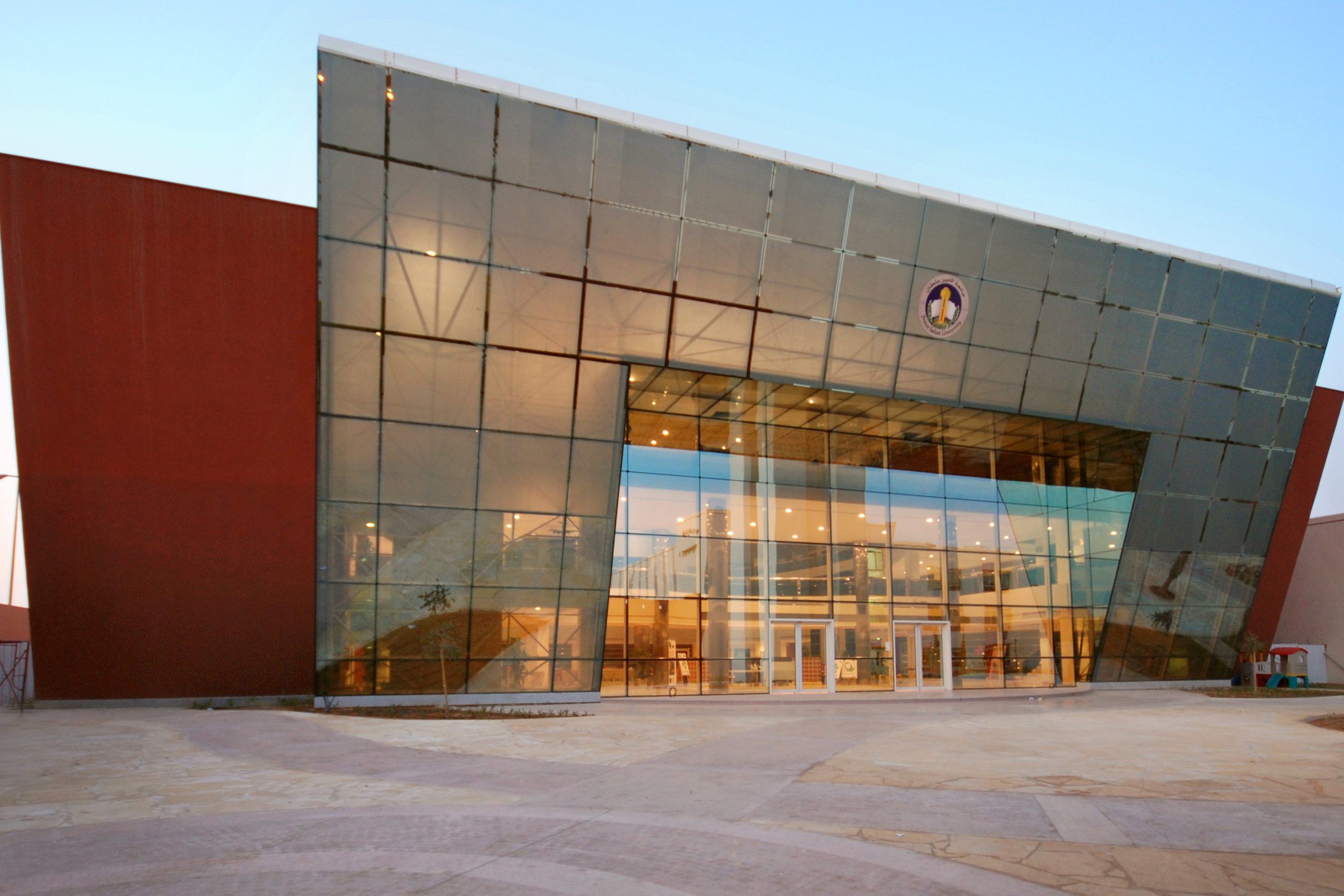
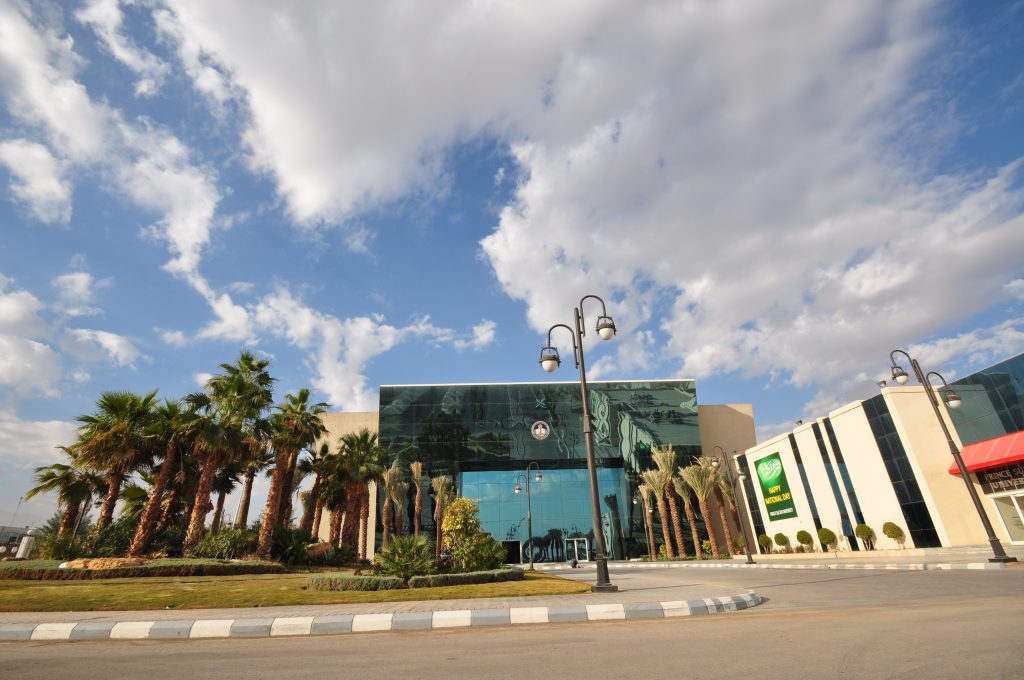
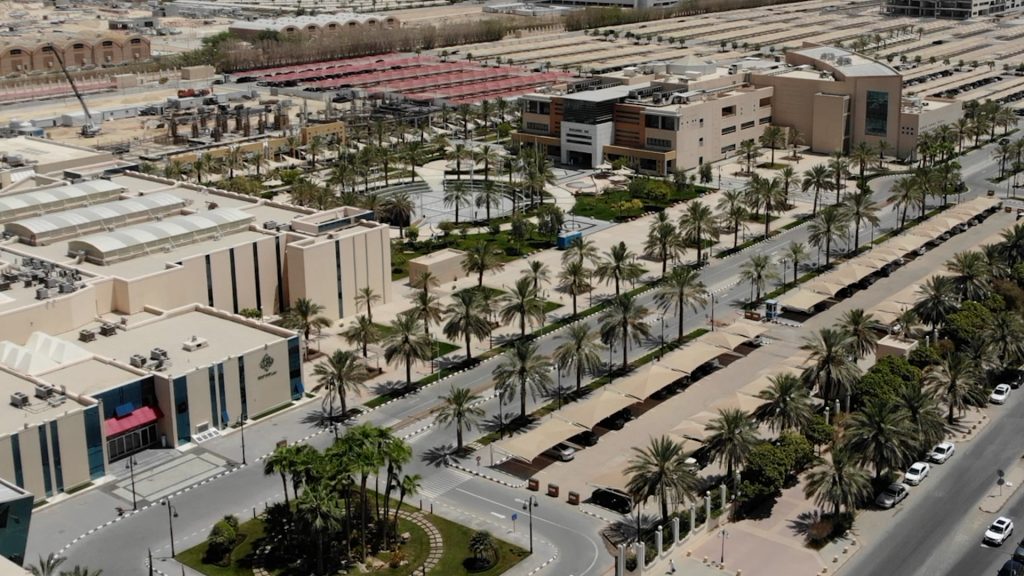
Prince Sultan University (PSU) is one of Saudi Arabia’s most esteemed private universities. It stands out for its academic rigor and strong alignment with the Kingdom’s long-term goals. PSU’s evolution is in step with Saudi Arabia’s deliberate and internationally focused growth, with a foundation in disciplines crucial for national competitiveness. It is fitting that a Saudi institution would take the lead in evolving a deeply rooted cultural tradition into a communication discipline built for the future.
The introduction of the BA in Language & Media follows that same logic of strategic foresight. In a global environment where communication now functions as infrastructure, informing diplomacy, public perception, markets, and cultural positioning, the ability to train competent, globally attuned communicators has become a matter of national interest. PSU’s new program treats language not as an academic specialty, but as an operational capability.
Students in the program will engage in a variety of hands-on experiences that bridge theory with practice. They will participate in collaborative projects, internships with leading media organizations, and workshops that emphasize digital storytelling and strategic communication. These activities are designed to equip them with the skills required to craft impactful narratives across multiple media platforms, ensuring they graduate as highly skilled communicators ready to take on roles both locally and internationally.
The degree blends analytical depth with applied media practice, recognizing that contemporary storytelling sits at the intersection of narrative craft, data literacy, digital production, and emerging technologies. In this framing, communication becomes a tool of influence as essential to a nation’s future as any physical asset or policy instrument. For instance, the creative industries currently contribute over $100 billion to the Gulf region’s economy, highlighting their significant impact and potential as economic drivers. This statistic underscores the strategic importance of fostering capabilities within this sector.
Graduates of the program can look forward to diverse career paths in journalism, digital media production, corporate communications, and public relations. Potential roles include media analyst, content strategist, public relations manager, communication consultant, and digital marketing specialist. These opportunities connect the program’s competencies directly with student ambitions, enabling them to make meaningful contributions across various industries.
What distinguishes the initiative is its governing architecture. PSU has established an advisory board designed not for ceremonial oversight but for practical relevance. It brings together leading academic voices, including Prof. Dina El-Dakhs, Dr. Burcin Mustafa, and Prof. Hala Dalbani, alongside international scholars whose work shapes global discourse, such as Prof. Rodney Jones and Prof. Ruth Page. The regional dimension is represented through Dr. Nadia Rahman and Dr. Sherif Badran, while the national media landscape is anchored by Dr. Majed Alghamdi of the Saudi Media Association and Ms. Lama Alhamawi, Head of Diplomacy and Foreign Affairs at ARAB News. This board functions not as a static entity but as a continuous feedback loop, actively engaging in shaping the curriculum. The invaluable input of the advisory board provides significant insight into the program implementation and development.
Additionally, the program offers international exchange opportunities, internships, and collaborations with global media organizations, providing students with direct engagement in diverse cultural and professional environments. This exposure ensures that graduates are equipped with a robust global perspective, further enhancing their readiness for international roles. This exemplifies its role as a living leadership body, directly shaping the program’s educational path.
Industry contributors complete the continuum: from The Saudi Times, Boudou Gueffai, Editor-in-Chief and team offer strategic storytelling insight from the Frontline 2030 desk and on the heels of expertise in and outside the Kingdom; Lama Alhamawi of Arab News; and PSU alumna Roaa Alzaghah, now shaping communication strategy at TAIT. Together, they create a board that reflects the full spectrum of contemporary communication, academic, institutional, and professional.
Their collective mandate is straightforward: ensure the program remains globally relevant, intellectually rigorous, and closely aligned with the realities students will face upon graduation. The board’s presence roots the curriculum in the lived pressures of modern media, from cross-cultural message design to newsroom dynamics, digital ecosystems, and policy-adjacent storytelling.
The program aims to produce graduates who understand both how information moves and how meaning is constructed. Students learn to analyze discourse, interpret complex narratives, operate across digital platforms, and engage internationally with fluency and precision. This approach reflects a broader national understanding: that Saudi Arabia’s story, and the people equipped to tell it, is becoming one of its most valuable strategic assets.
In this context, PSU’s BA in Language & Media is not simply another addition to the academic catalogue. It is a long-term investment in the Kingdom’s communicative capacity: the people who will write, interpret, question, film, produce, and articulate Saudi Arabia’s place in the world. Graduates of the program will be well-equipped to engage with global media networks, seamlessly integrate into transnational platforms, and shape influential narratives. This connectivity ensures that Saudi voices are amplified and heard across international arenas, translating academic preparation into substantial network dividends.
The initiative marks a turning point. It establishes a model of media education that is global in outlook, regionally grounded, and strategically aware, preparing a generation not just to join conversations but to shape them.