


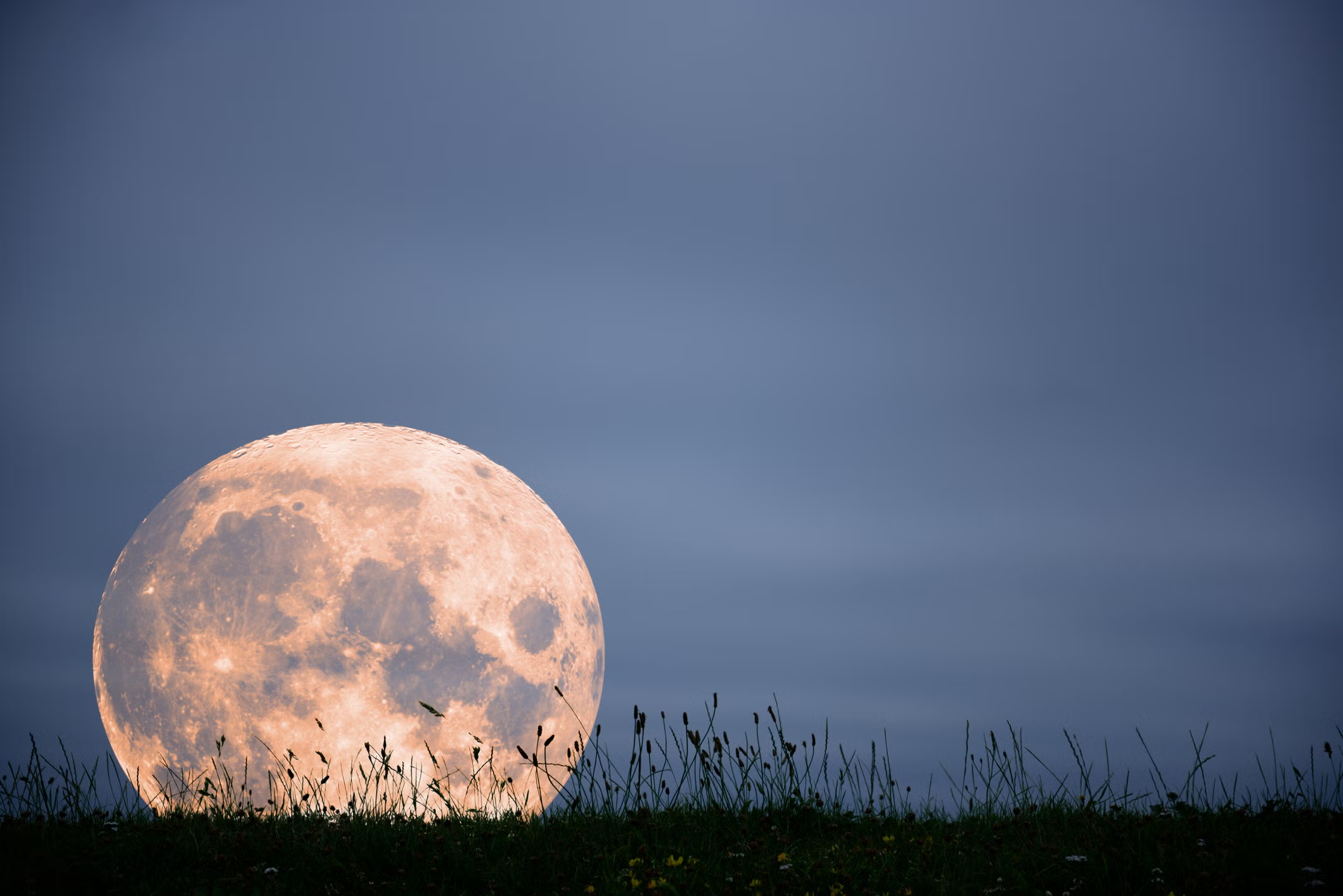
At the beginning of 2026, the night sky is set to showcase the first supermoon of the year, a striking astronomical event that has captured the attention of skywatchers and astronomy enthusiasts worldwide.
This full moon, commonly known as the “Wolf Moon,” marks the first full moon of January. The name is rooted in historical folklore, linked to winter nights when wolves were often heard howling near settlements, giving the moon its distinctive title in traditional astronomical naming.
A supermoon occurs when the full moon coincides with the moon’s closest approach to Earth, known as perigee. During this alignment, the moon appears noticeably larger and brighter than an average full moon, offering a visually impressive sight in the night sky.
Astronomy specialists explain that while the supermoon does not pose any physical impact on Earth, it provides an exceptional viewing and photography opportunity. Observers are encouraged to watch the moon shortly after sunset or before sunrise, when its size and brightness are most striking near the horizon.
The Wolf Moon of 2026 is expected to draw widespread interest as the year’s first supermoon and as a symbolic opening to a calendar filled with celestial events. The phenomenon serves as a reminder of the precision of cosmic motion and continues to inspire curiosity and appreciation for the wonders of the universe.